Under Bashar al-Assad, independent photojournalism in Syria was extremely difficult.
Accreditation from a news agency was required, opportunities were scarce, and carrying a camera in public was risky due to constant security threats. In 2023, after attending a workshop with Patrick Baz, who encouraged me and provided a recommendation, I began preparing to work with Agence France-Presse.
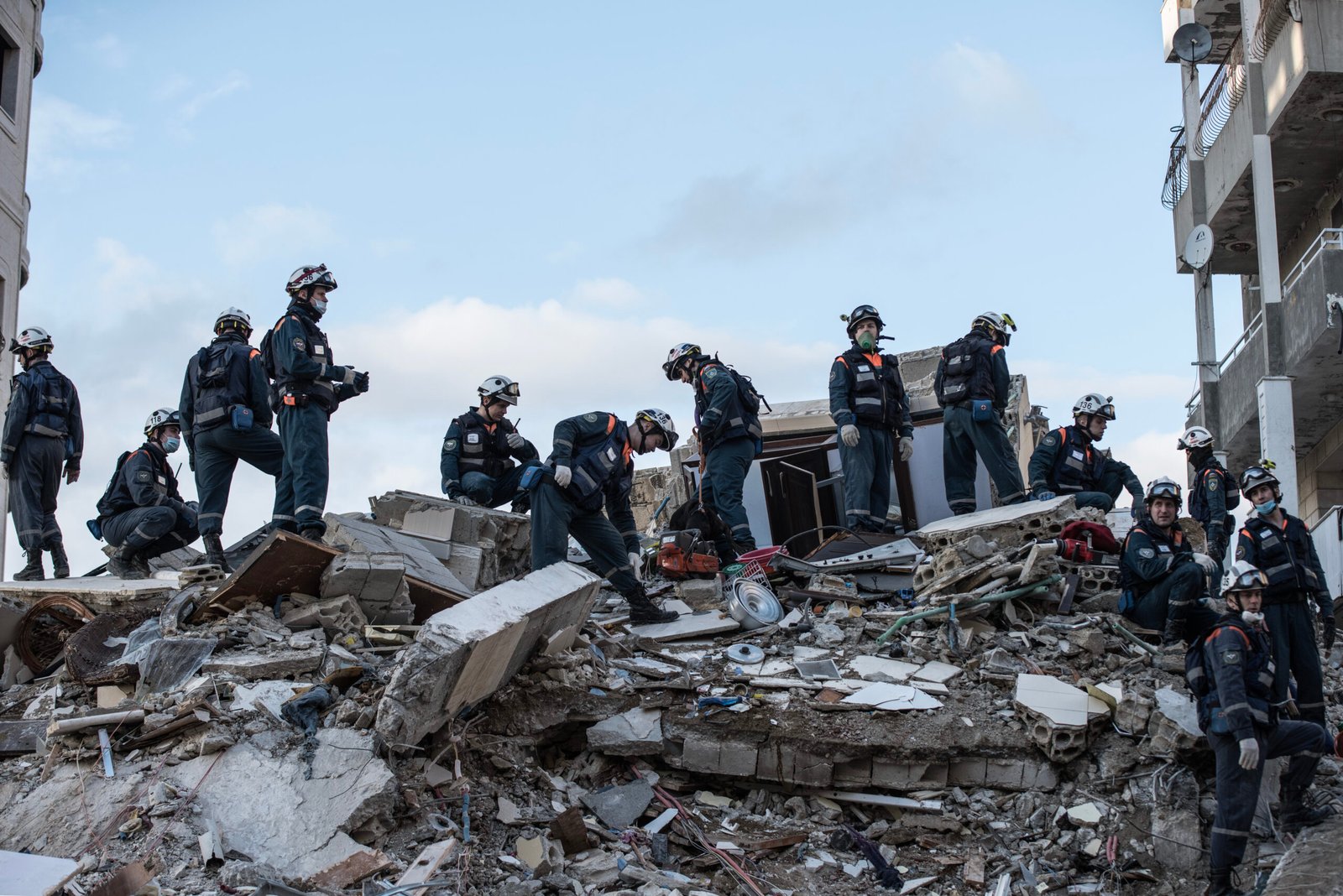
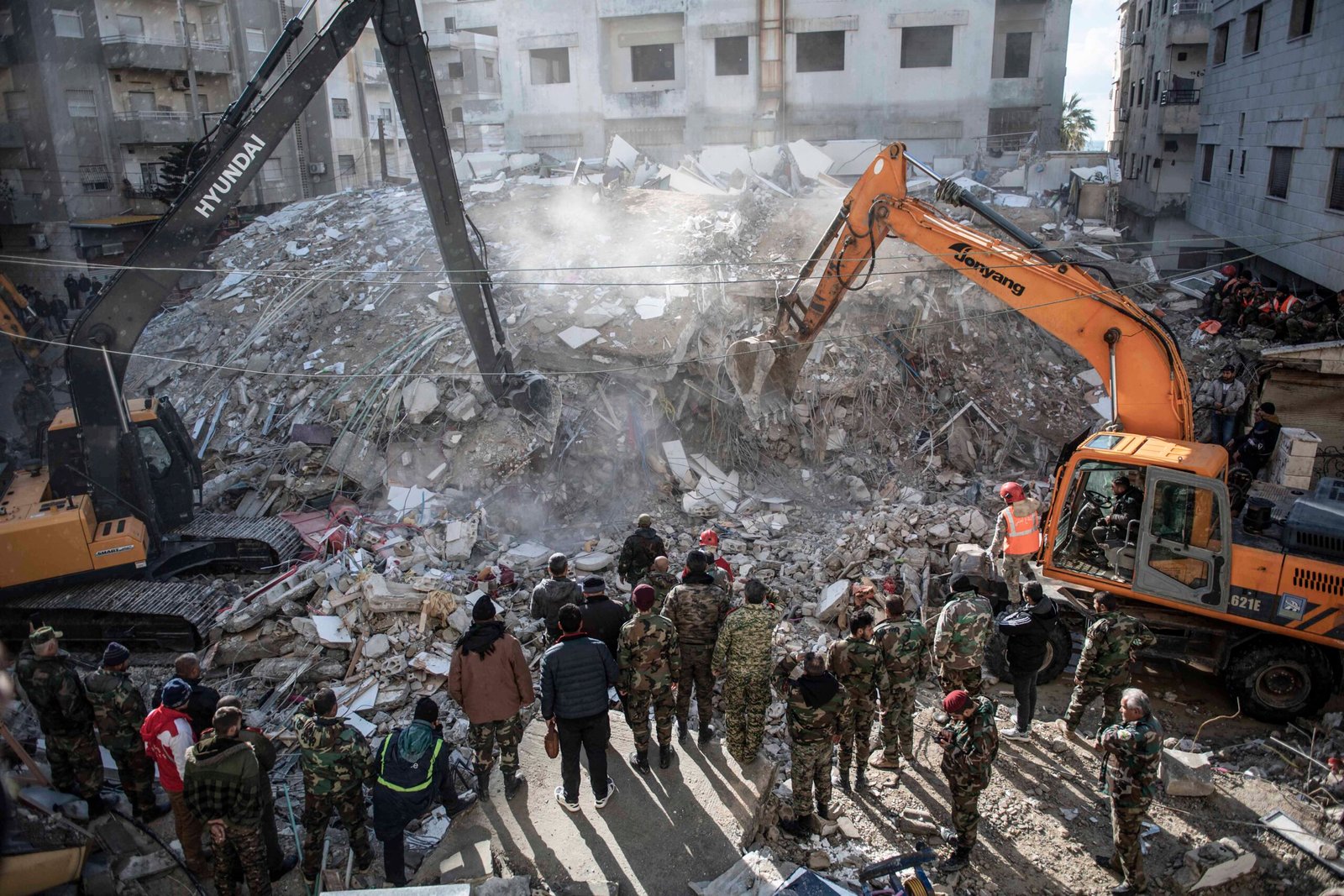
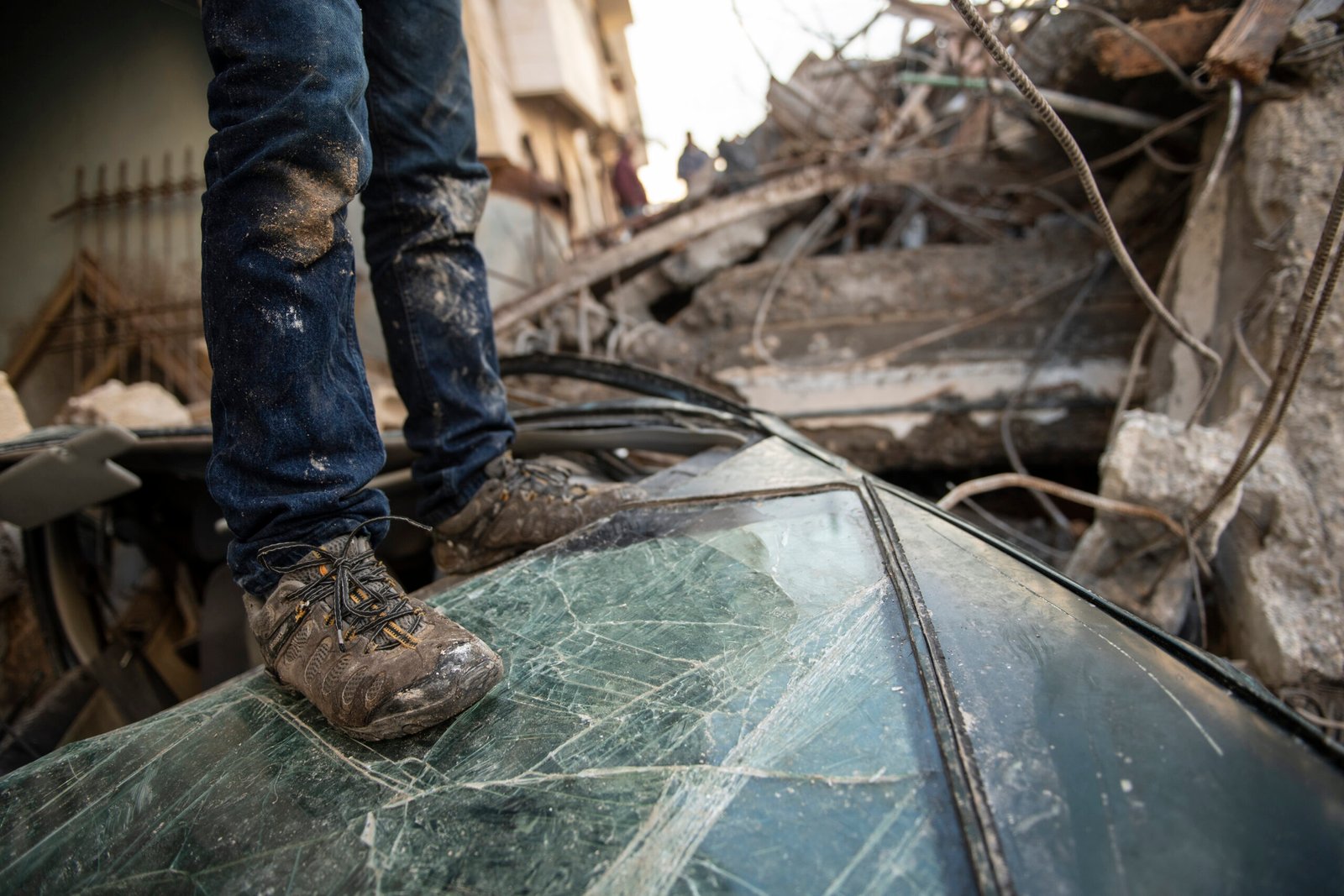
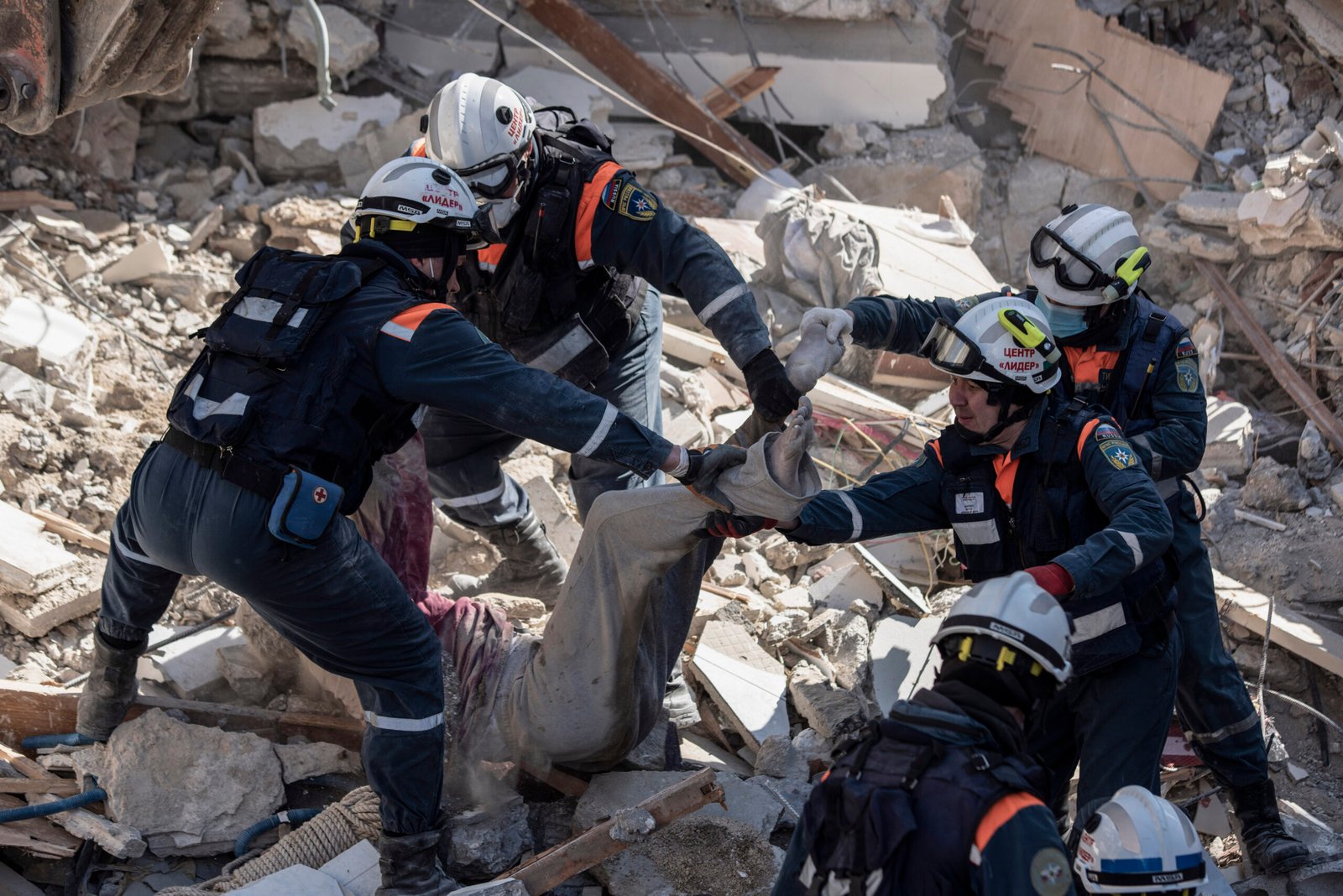
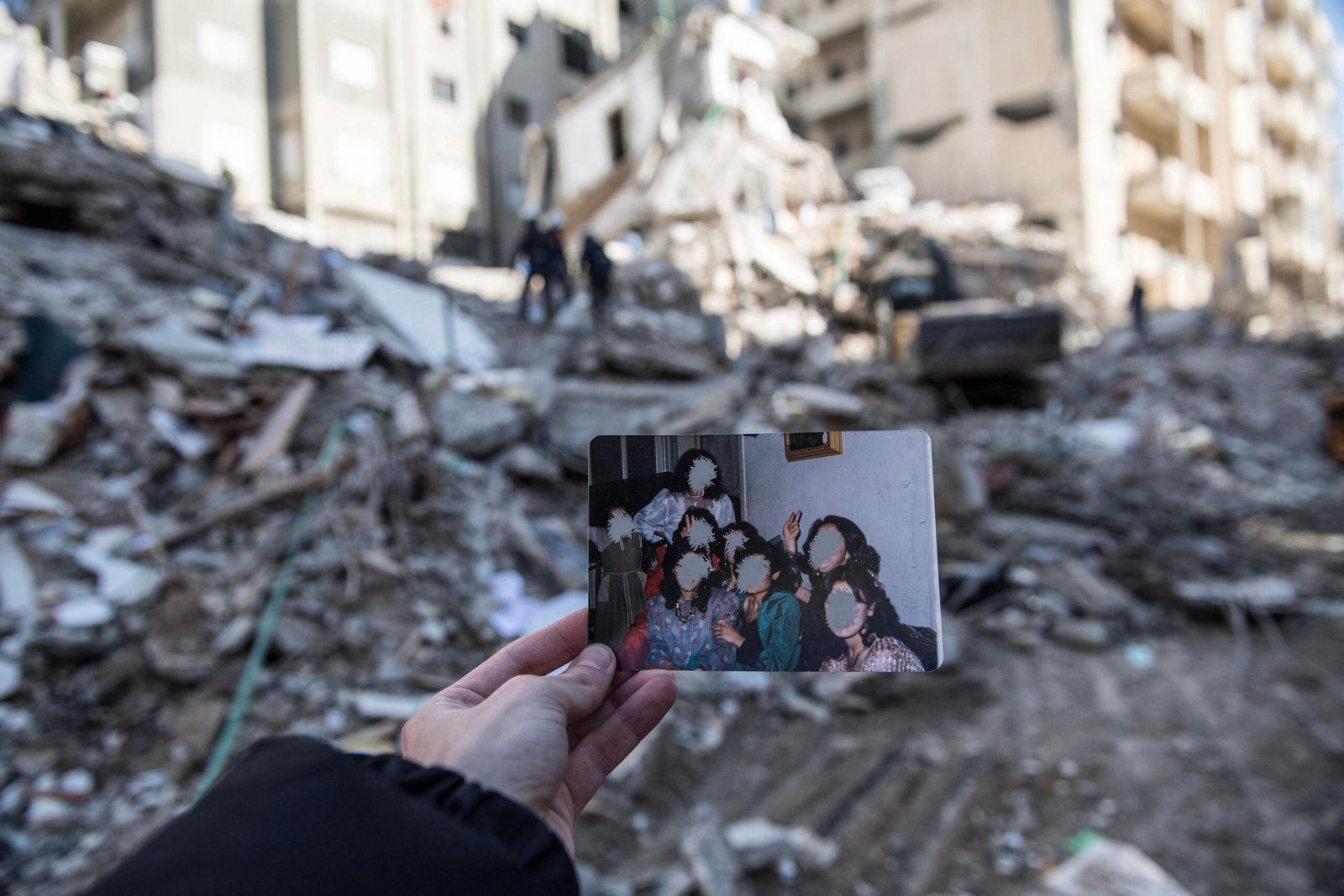
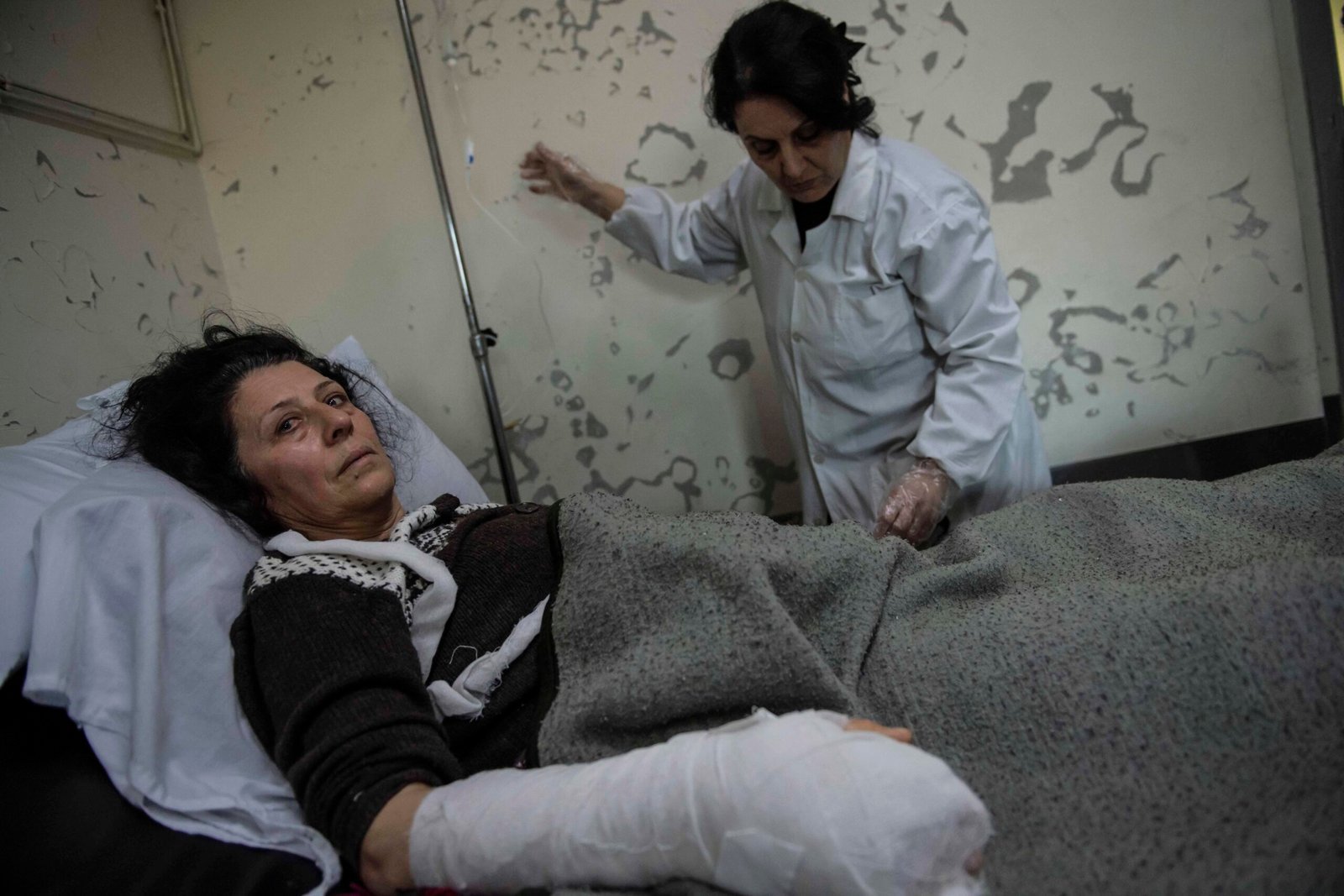
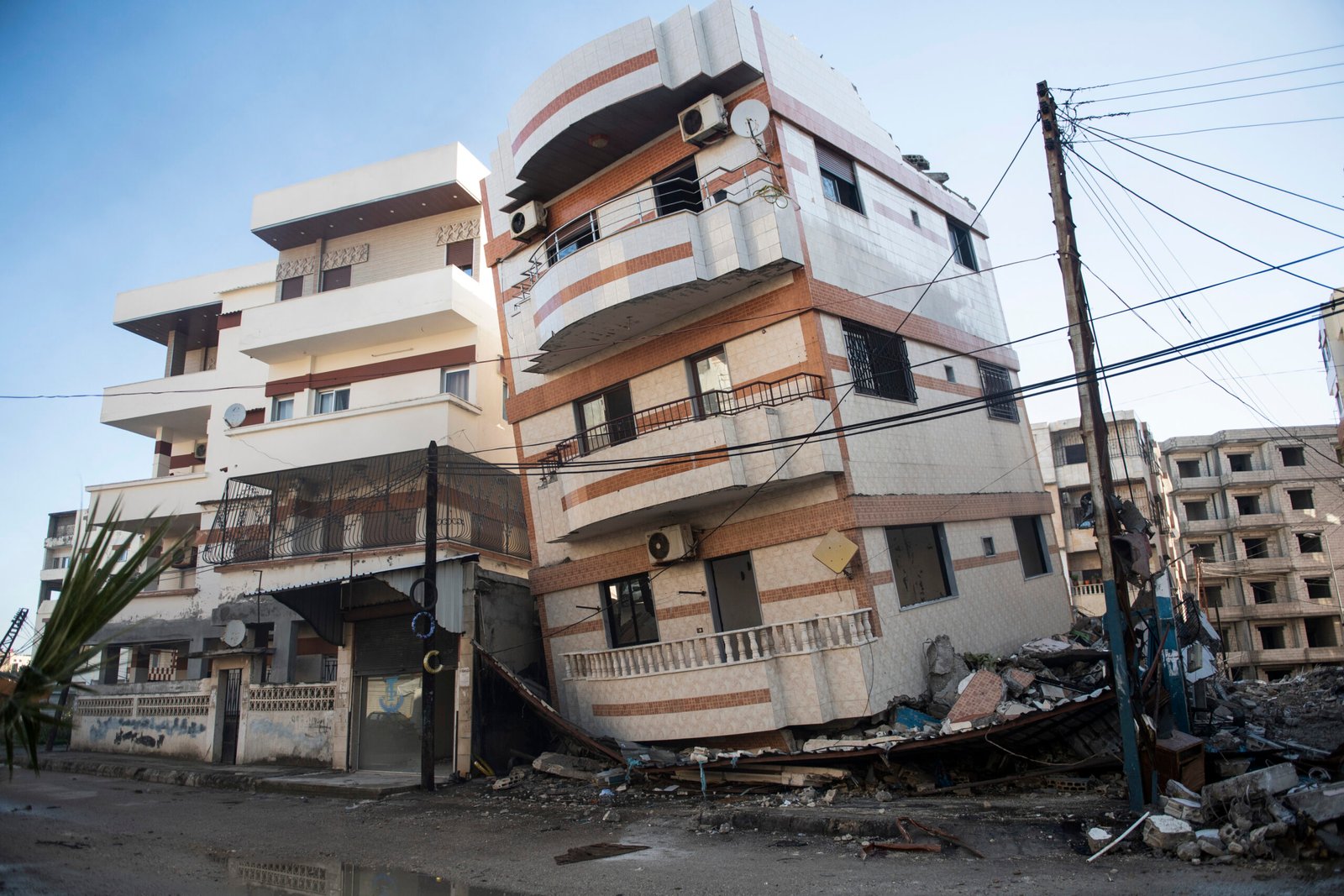
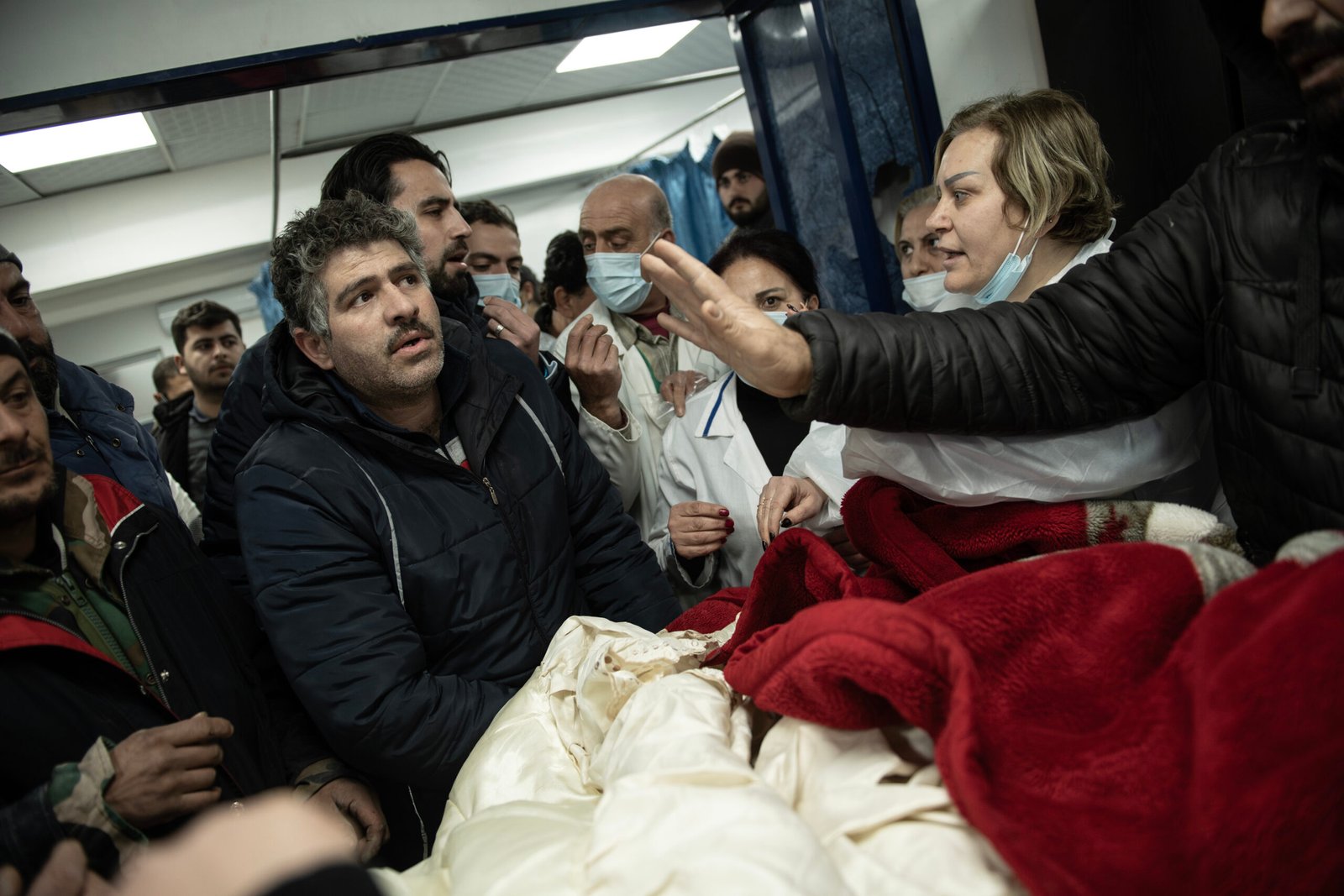
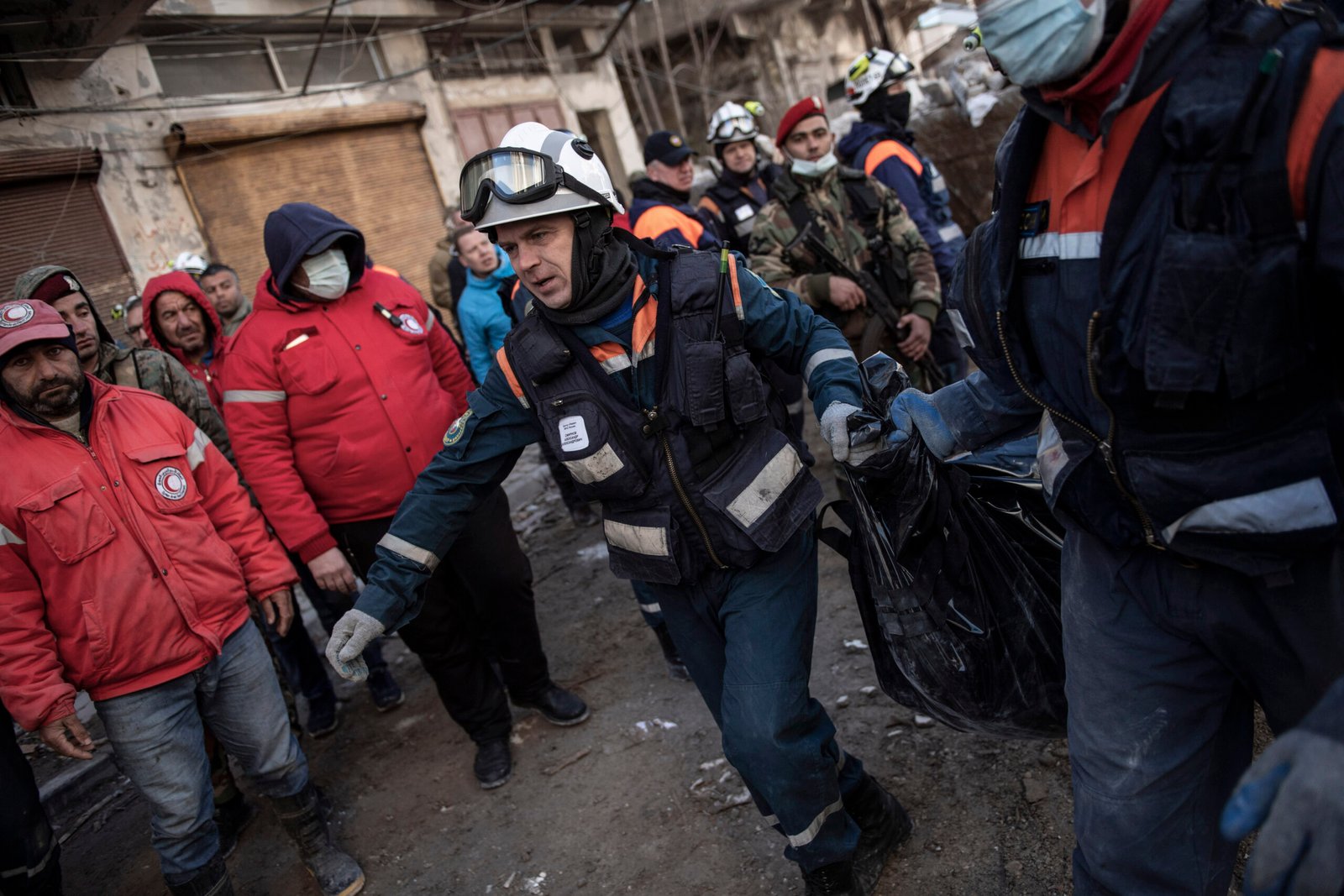
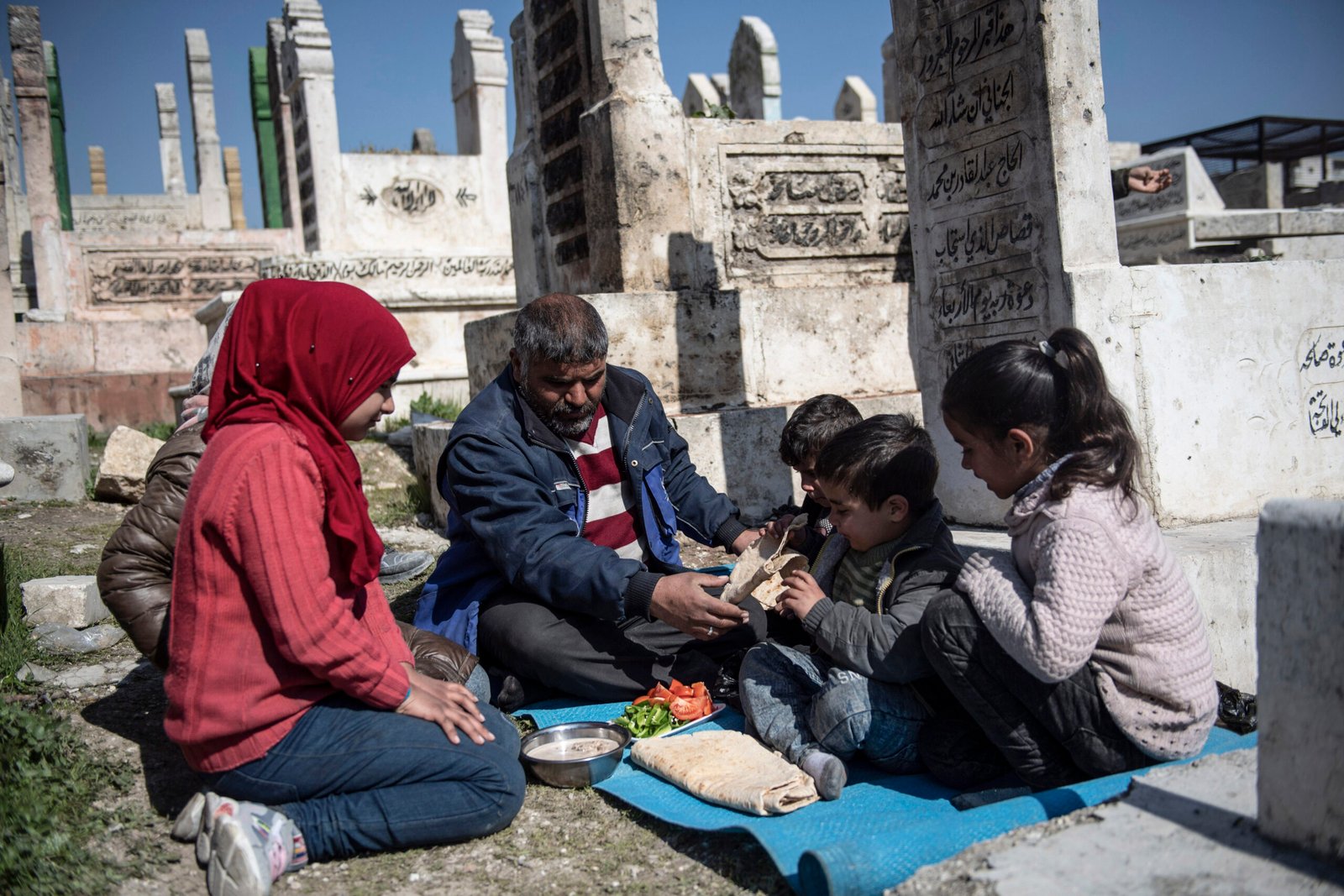
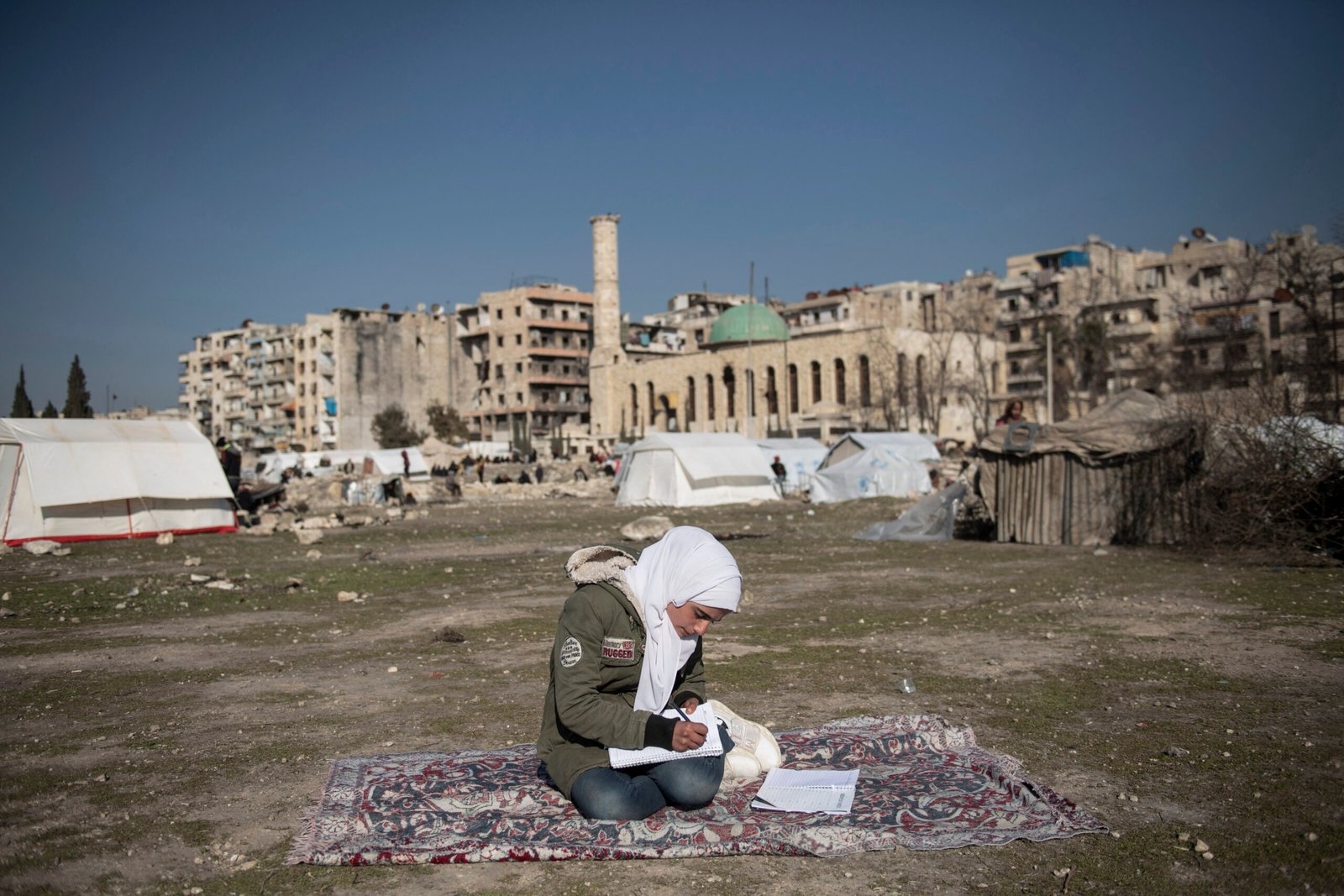
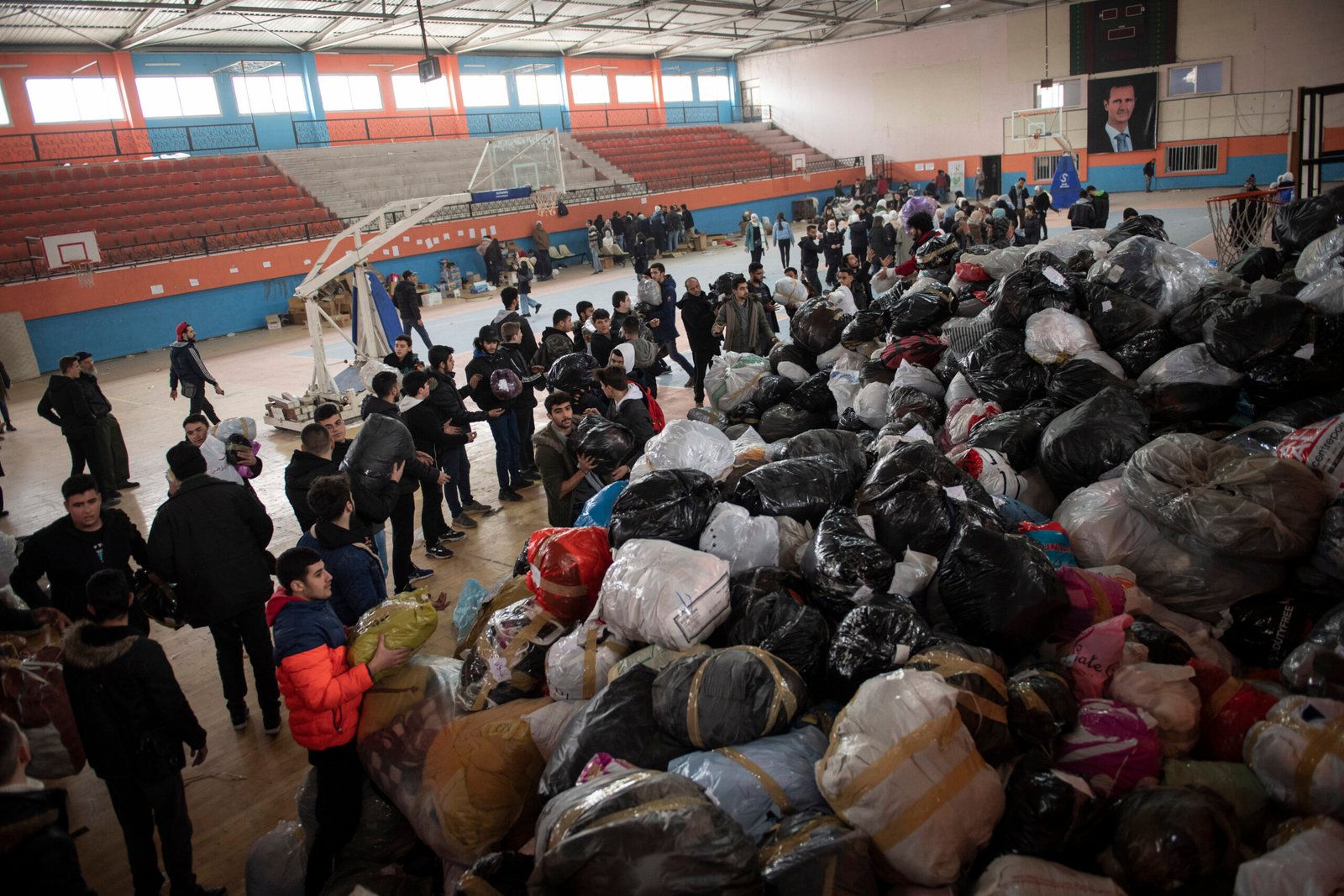
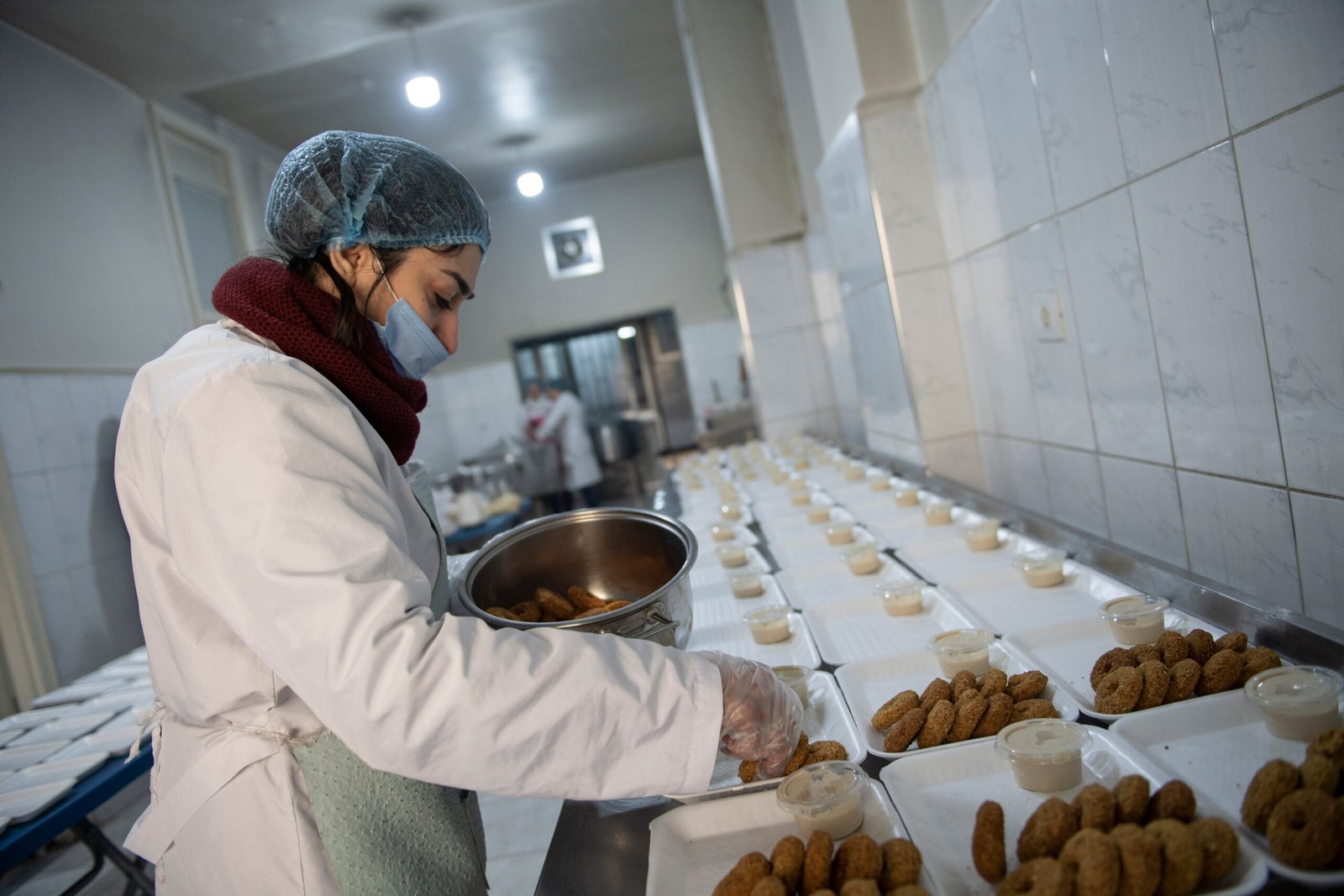
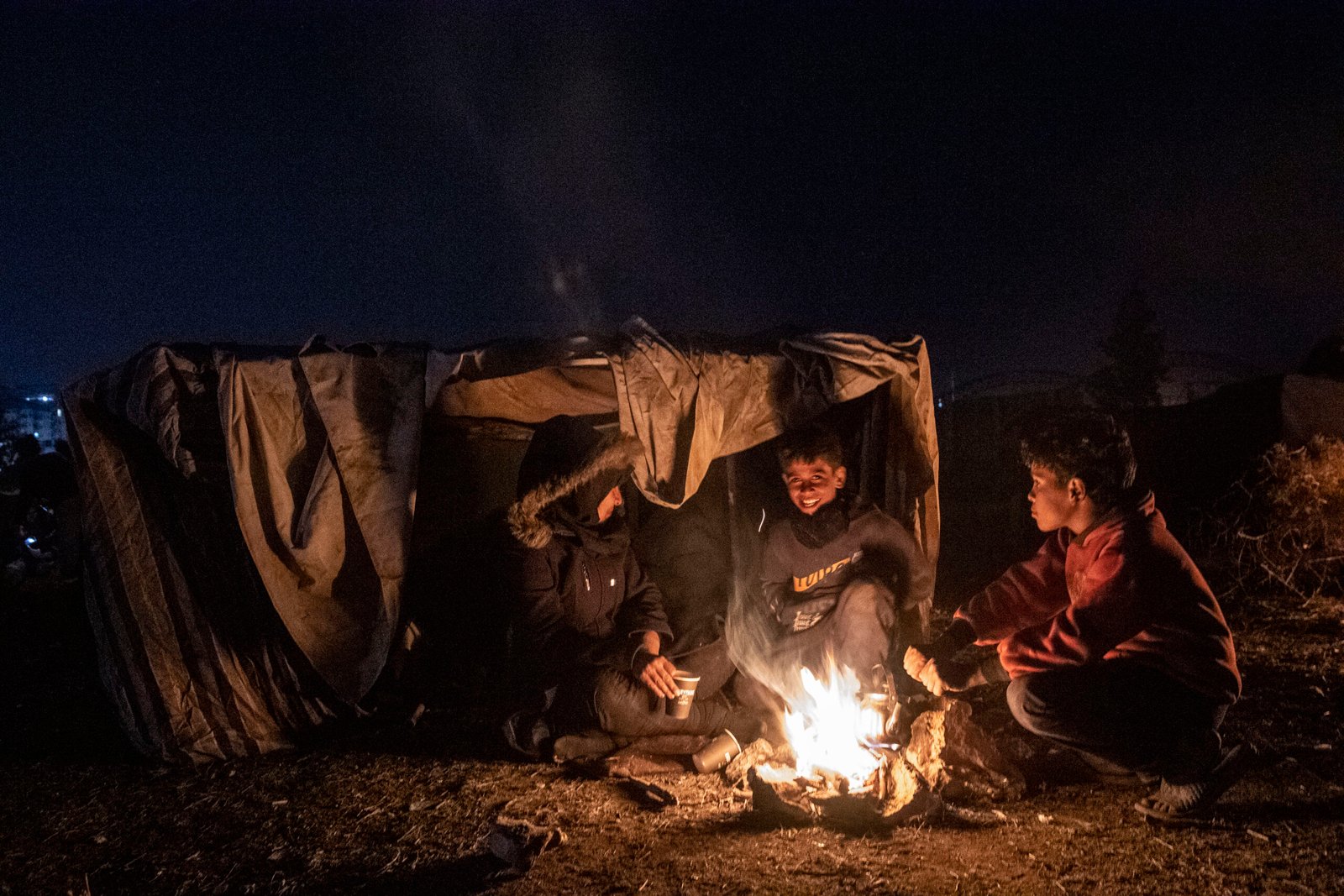
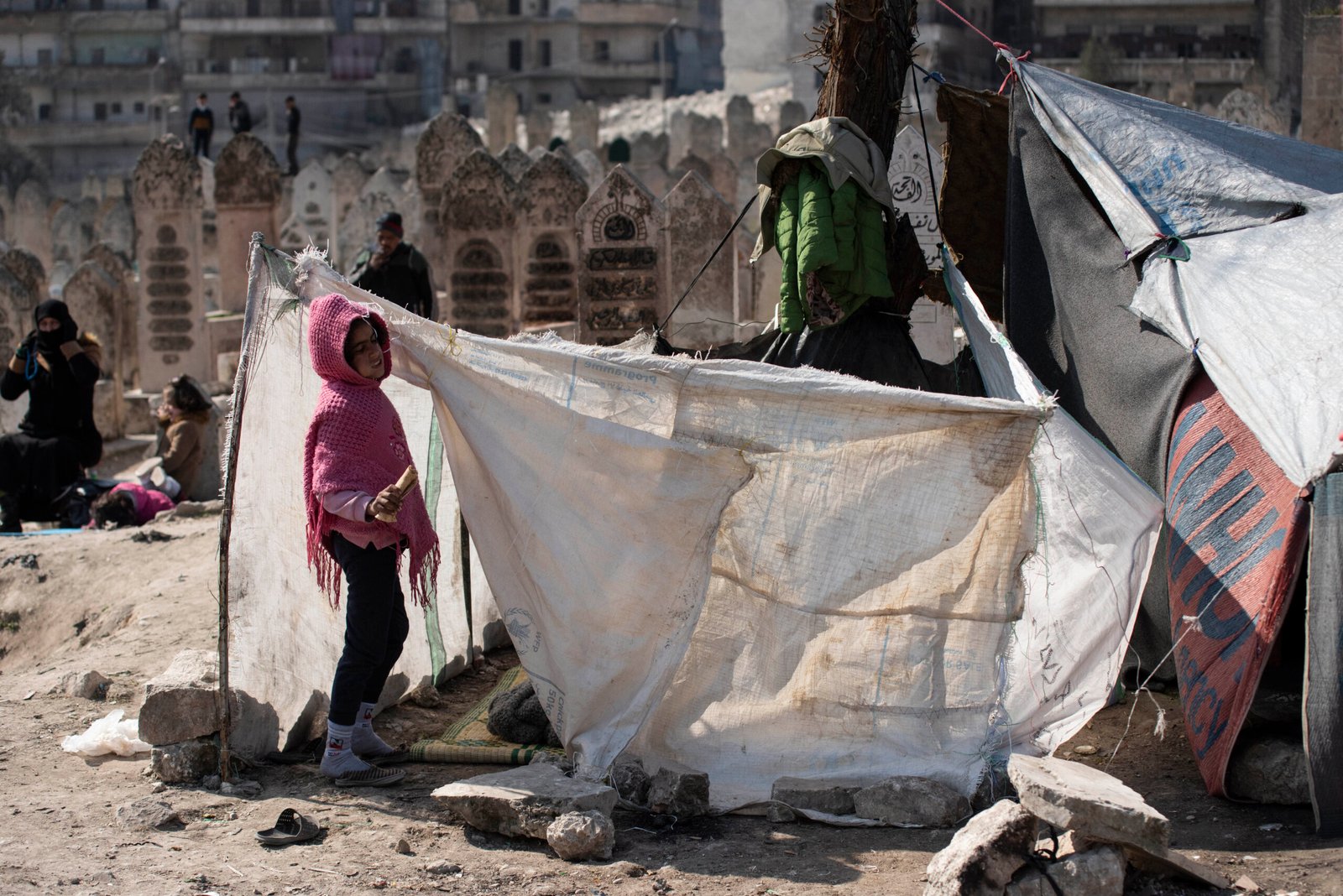
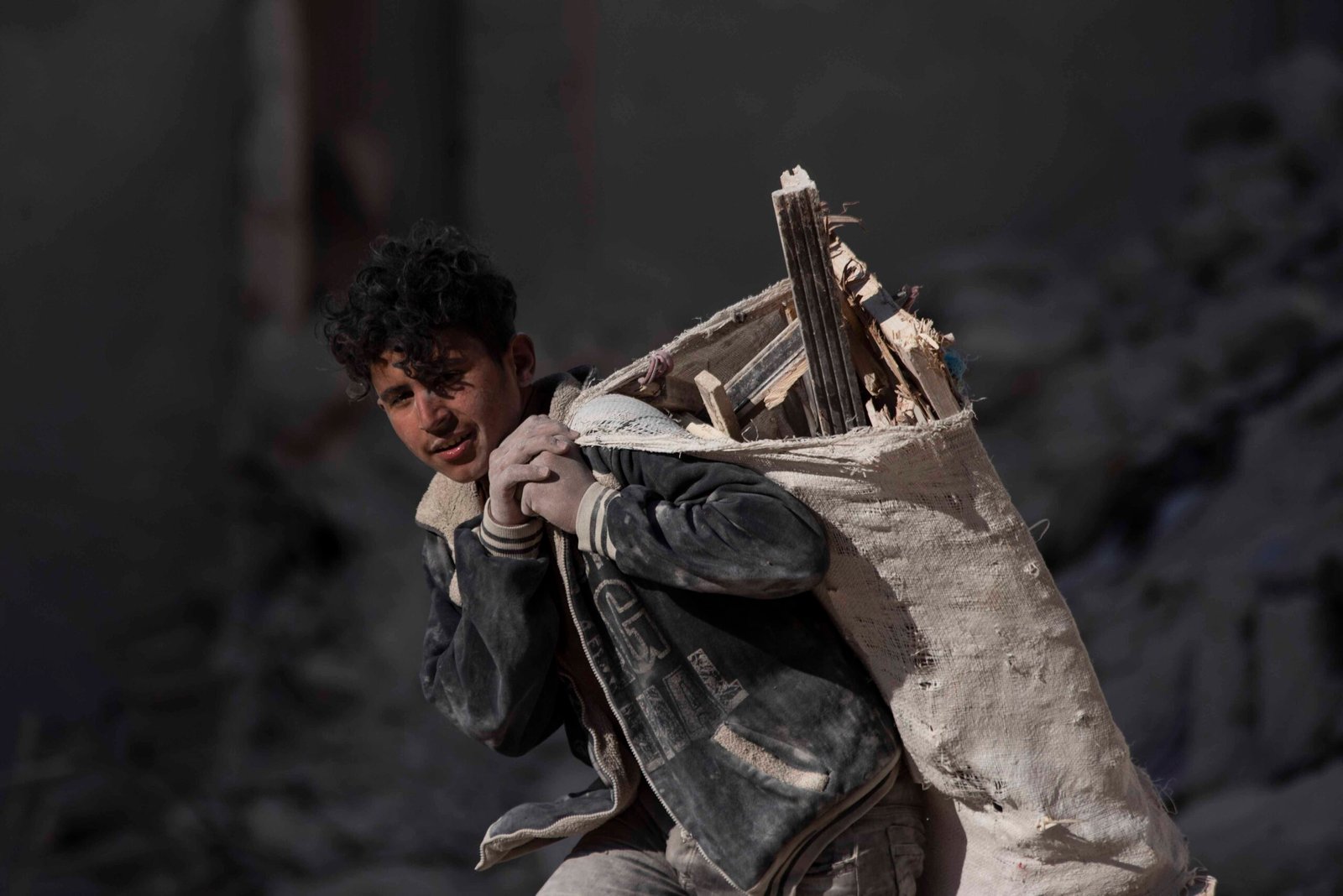
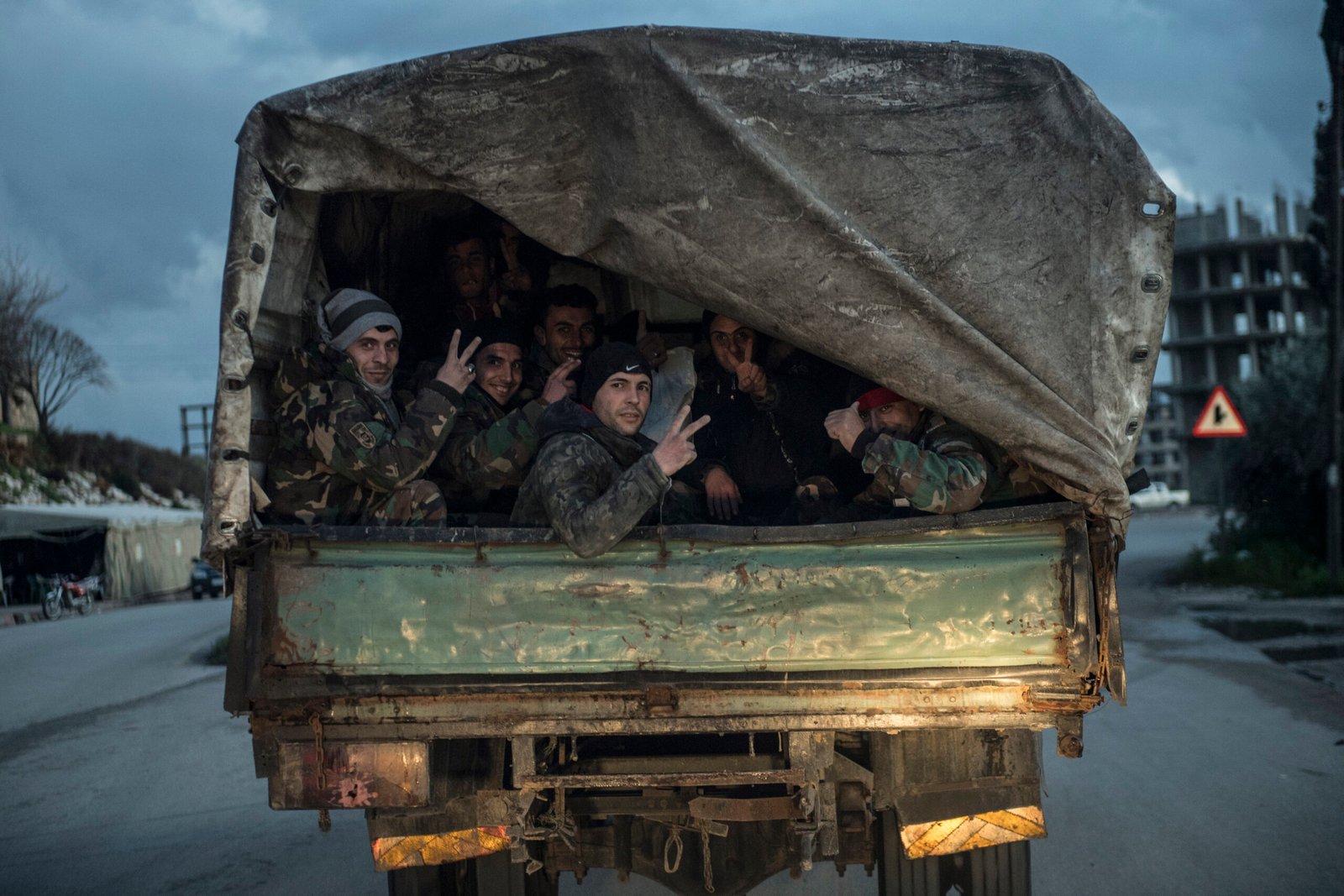
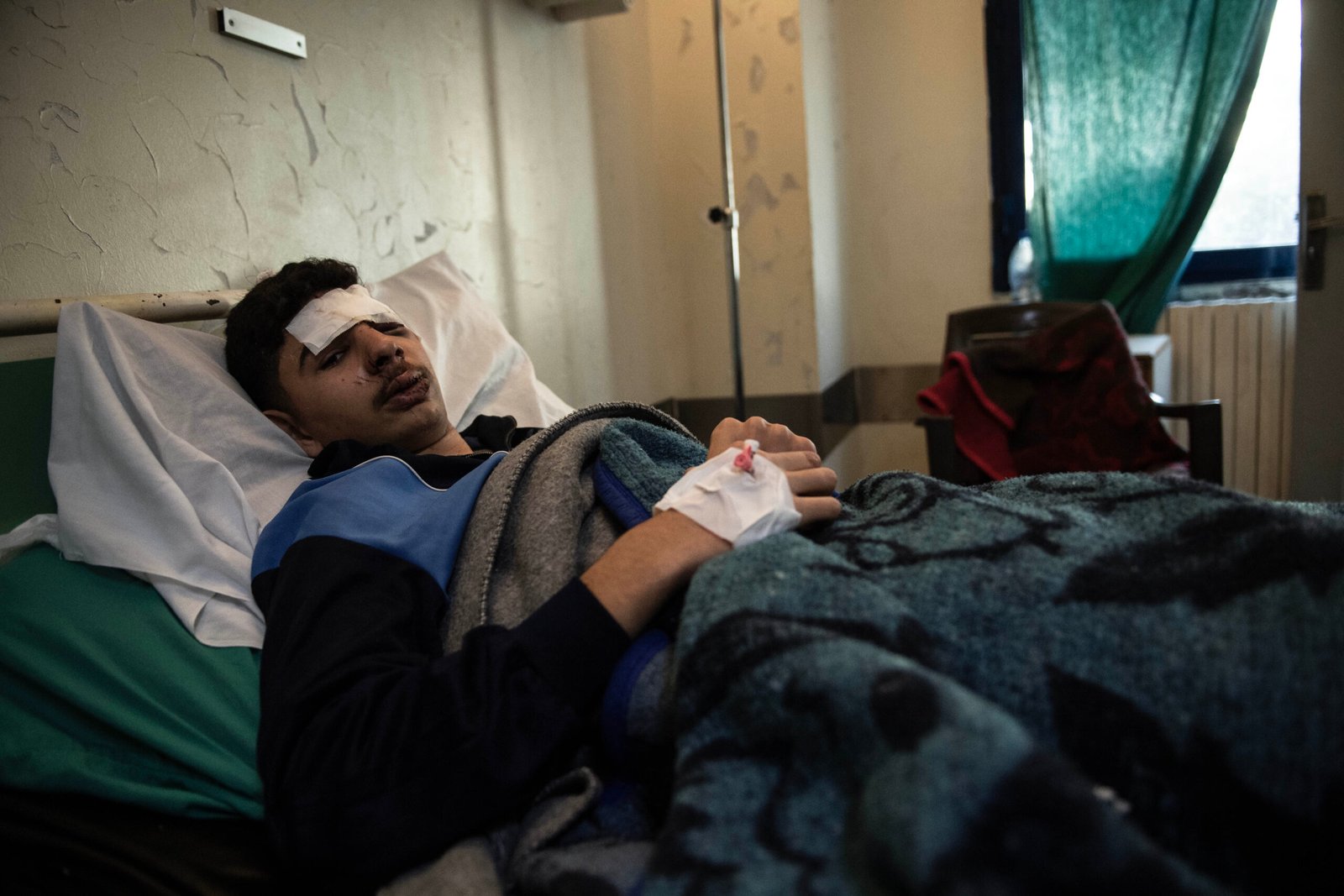
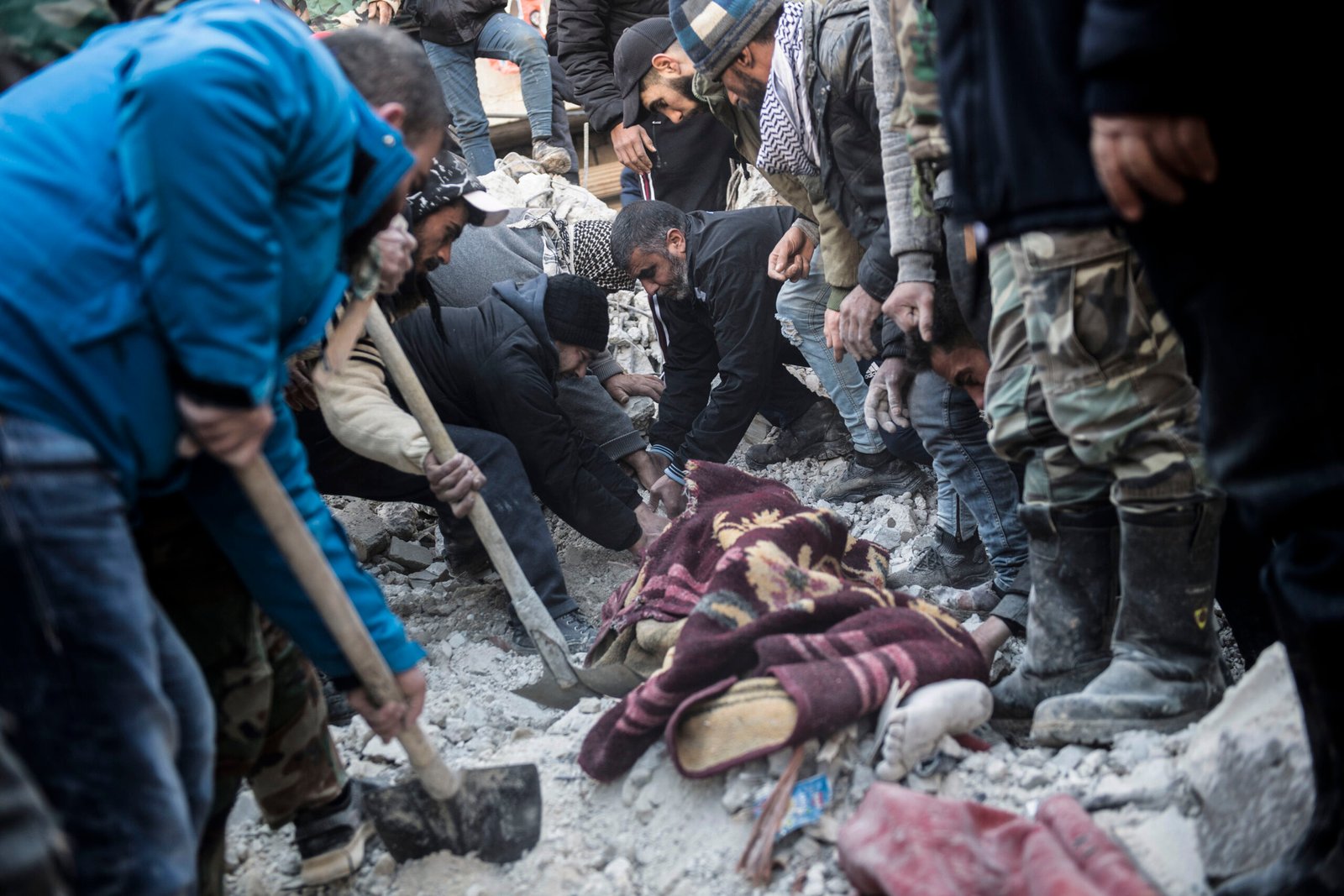
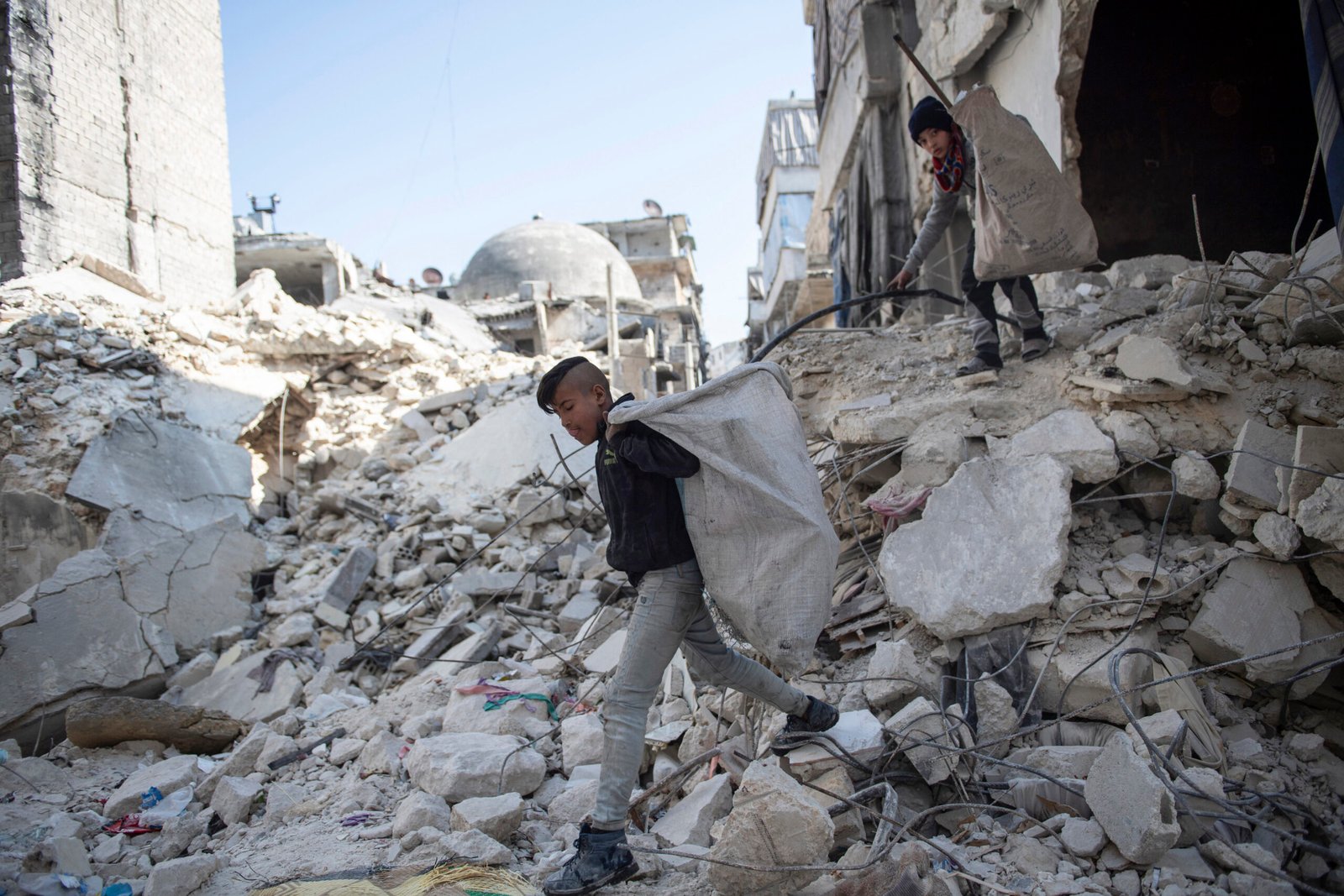
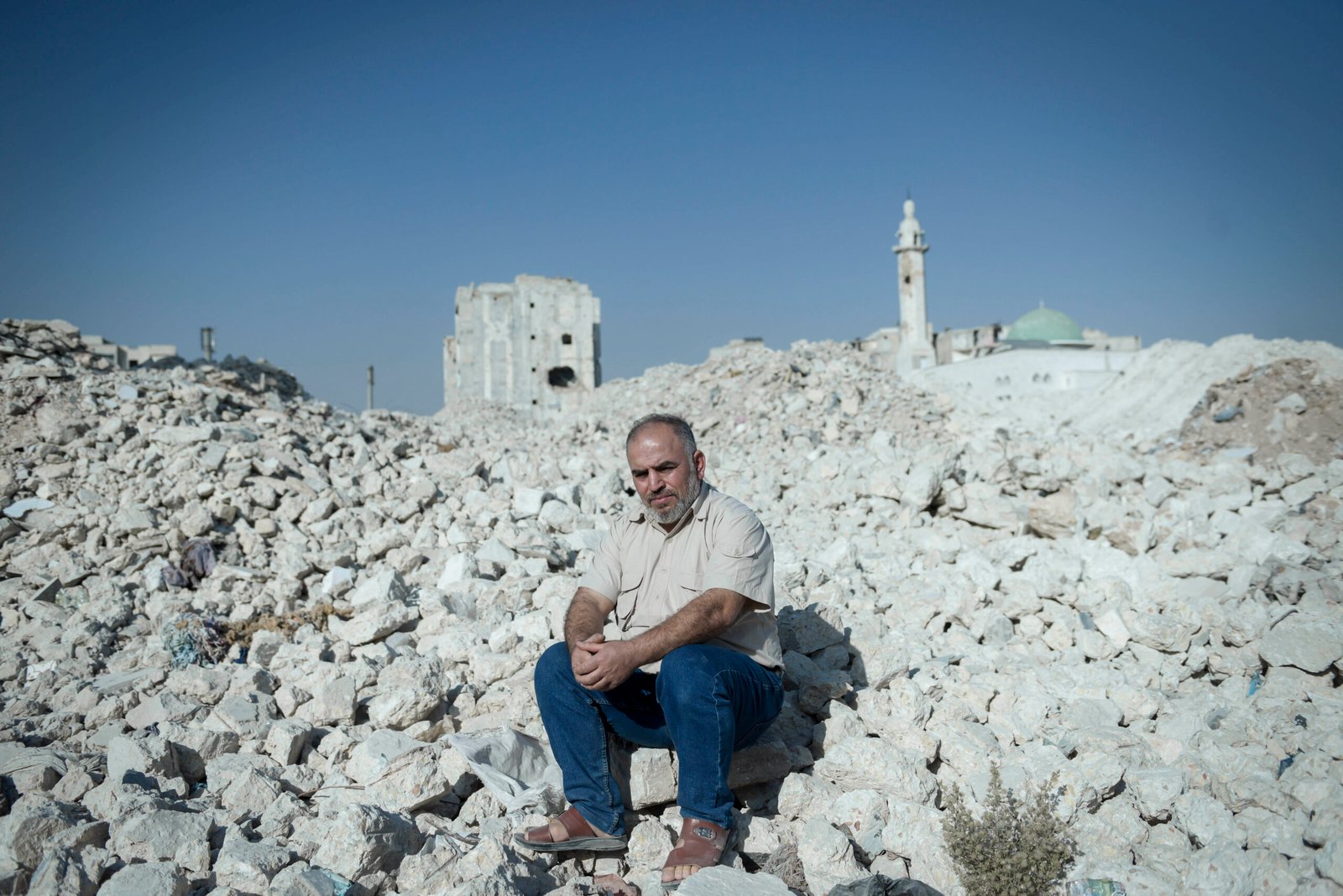
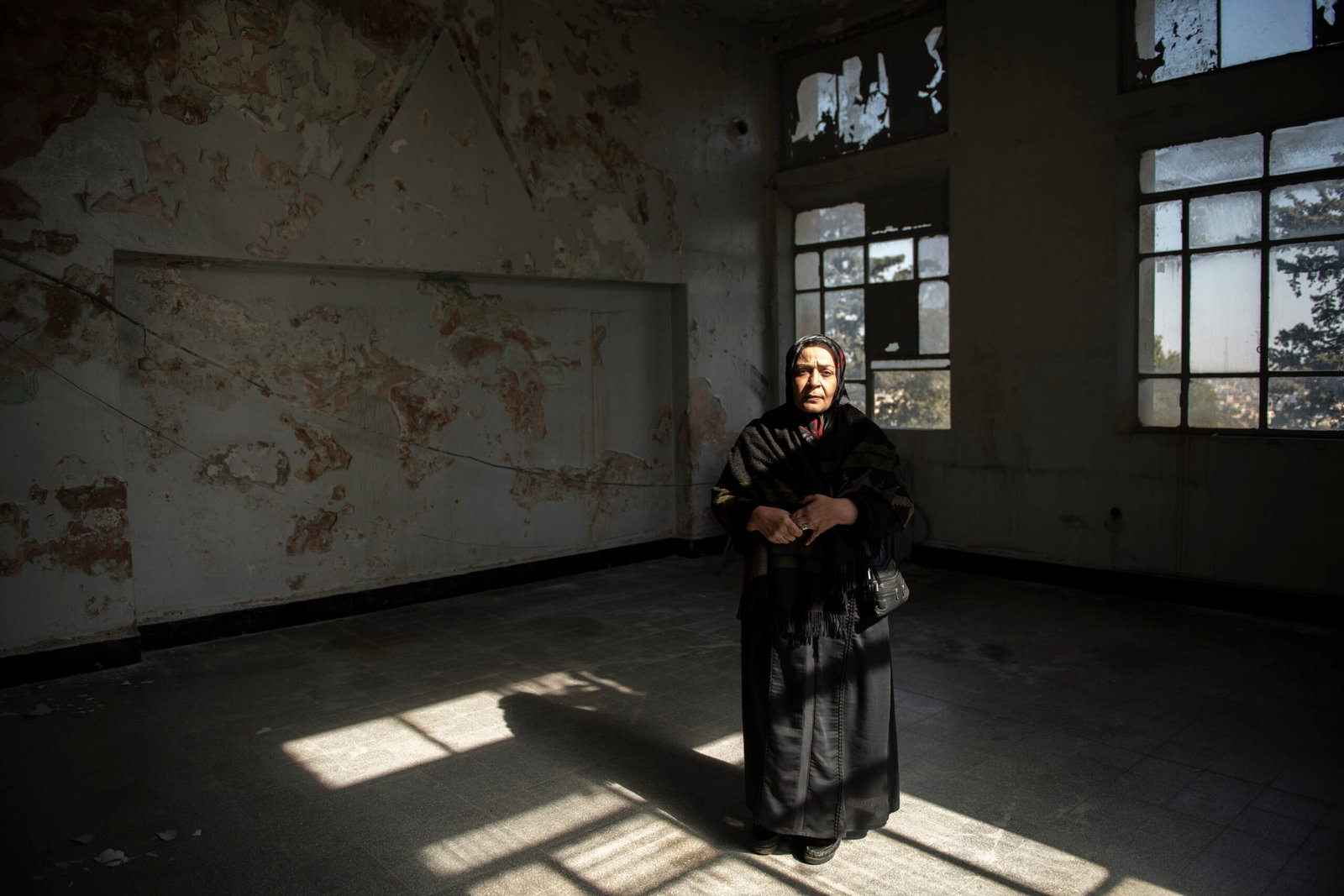
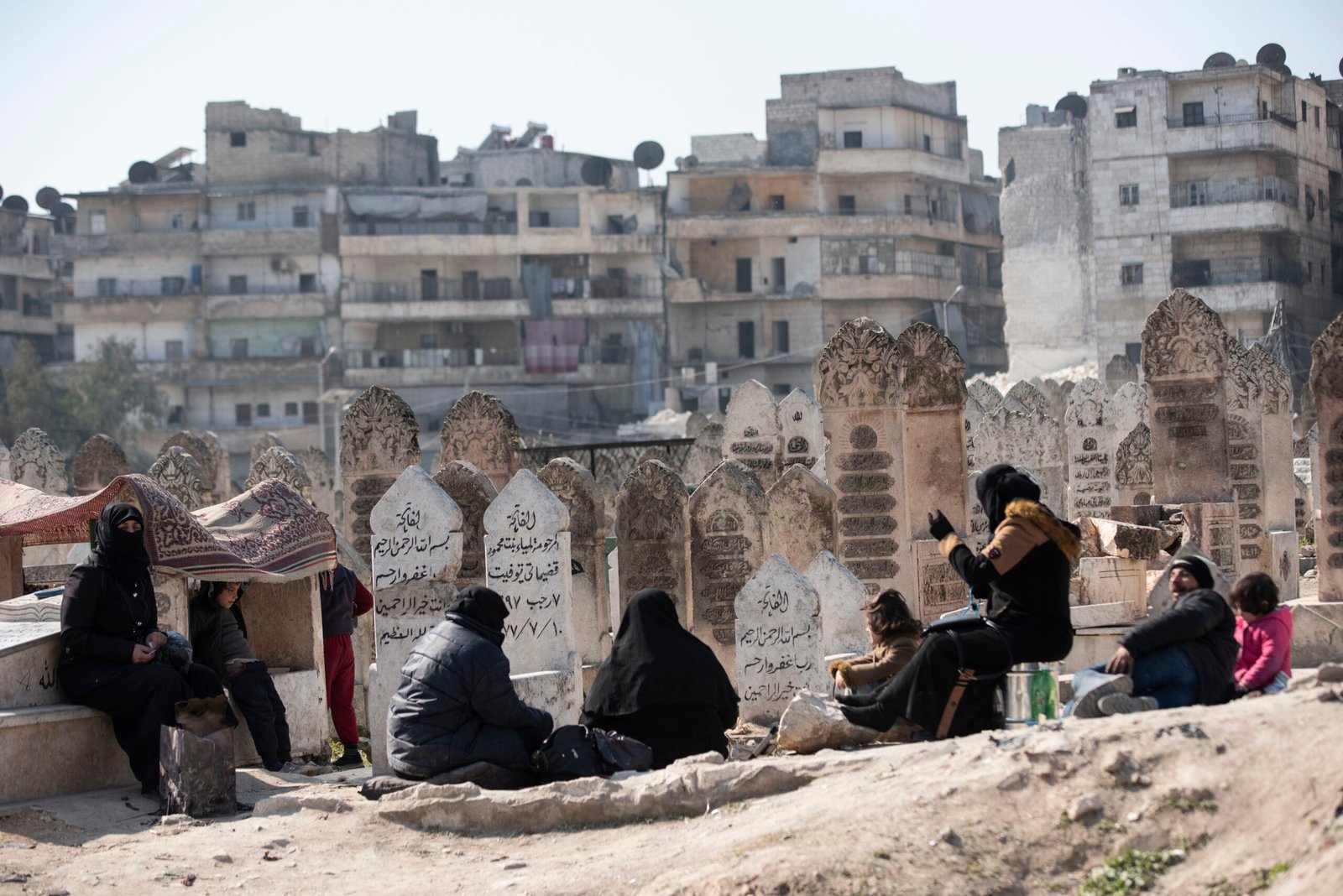
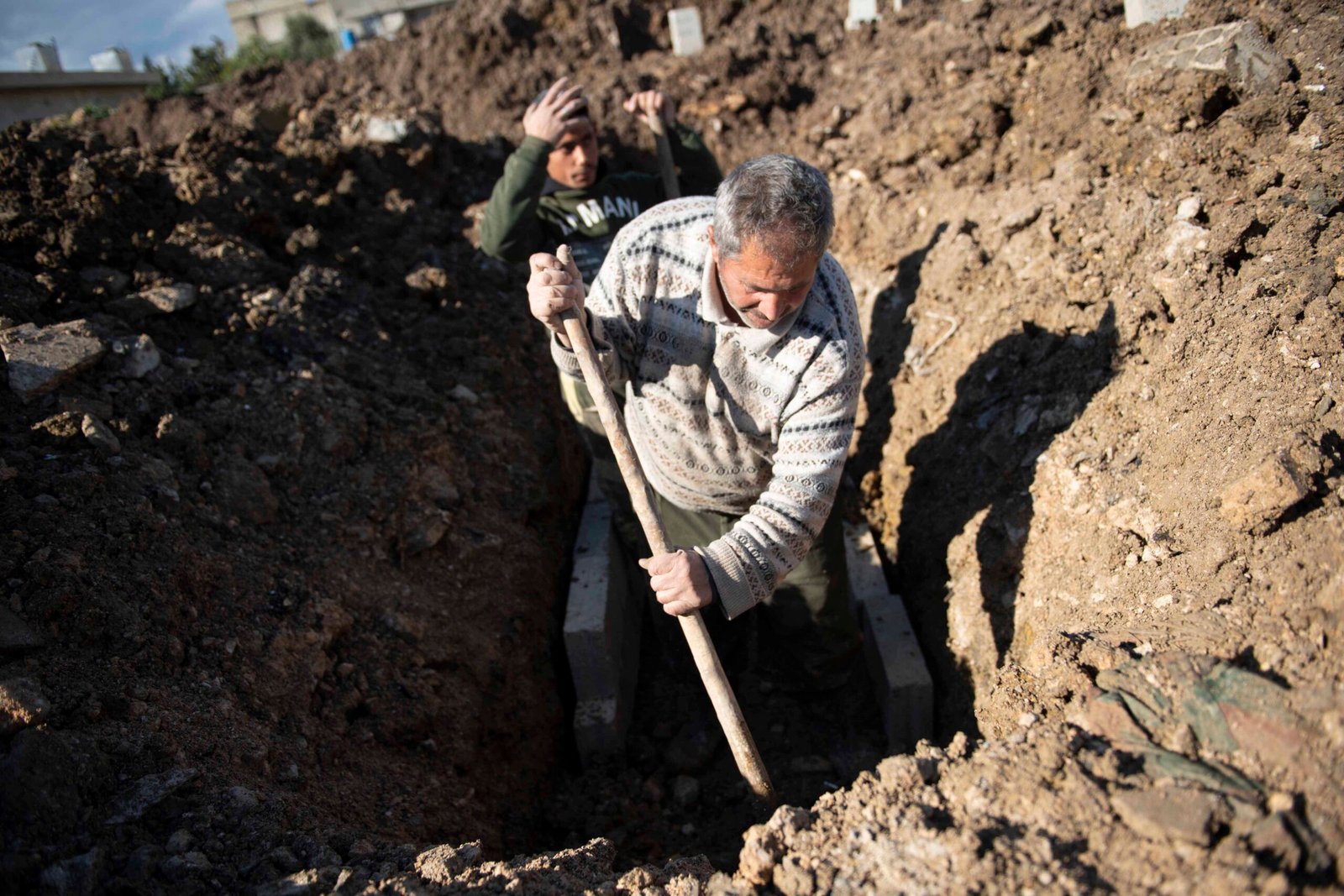
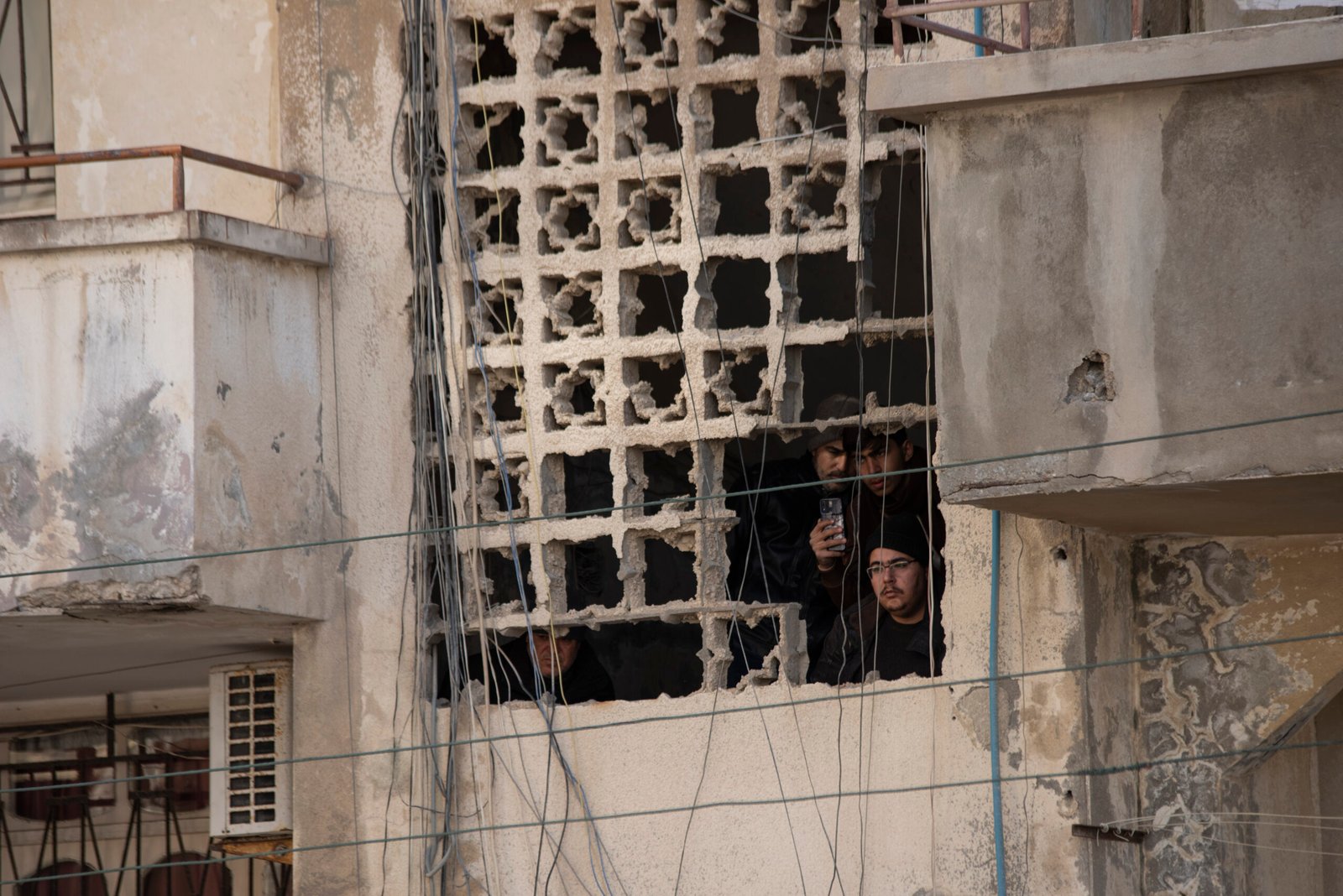
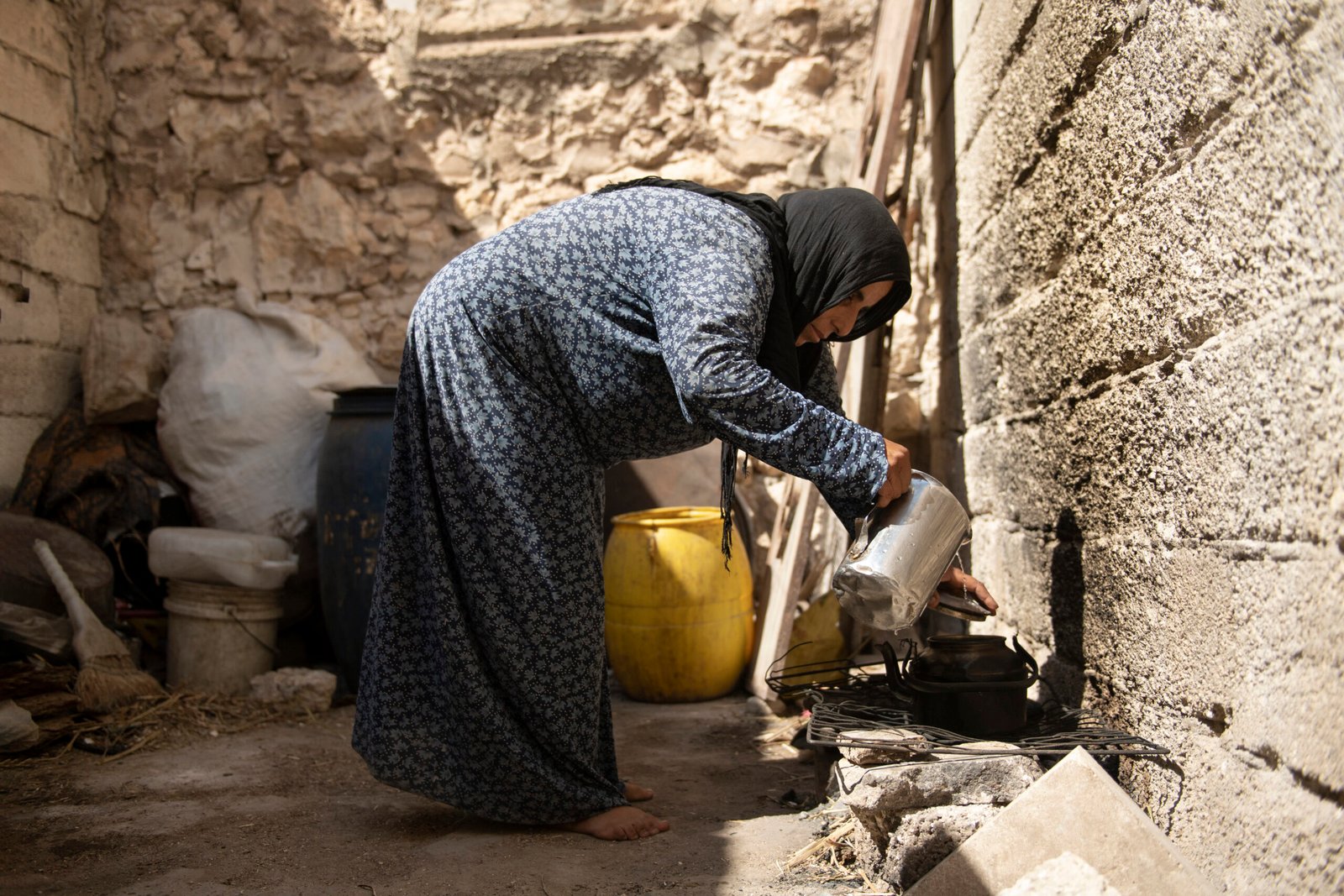
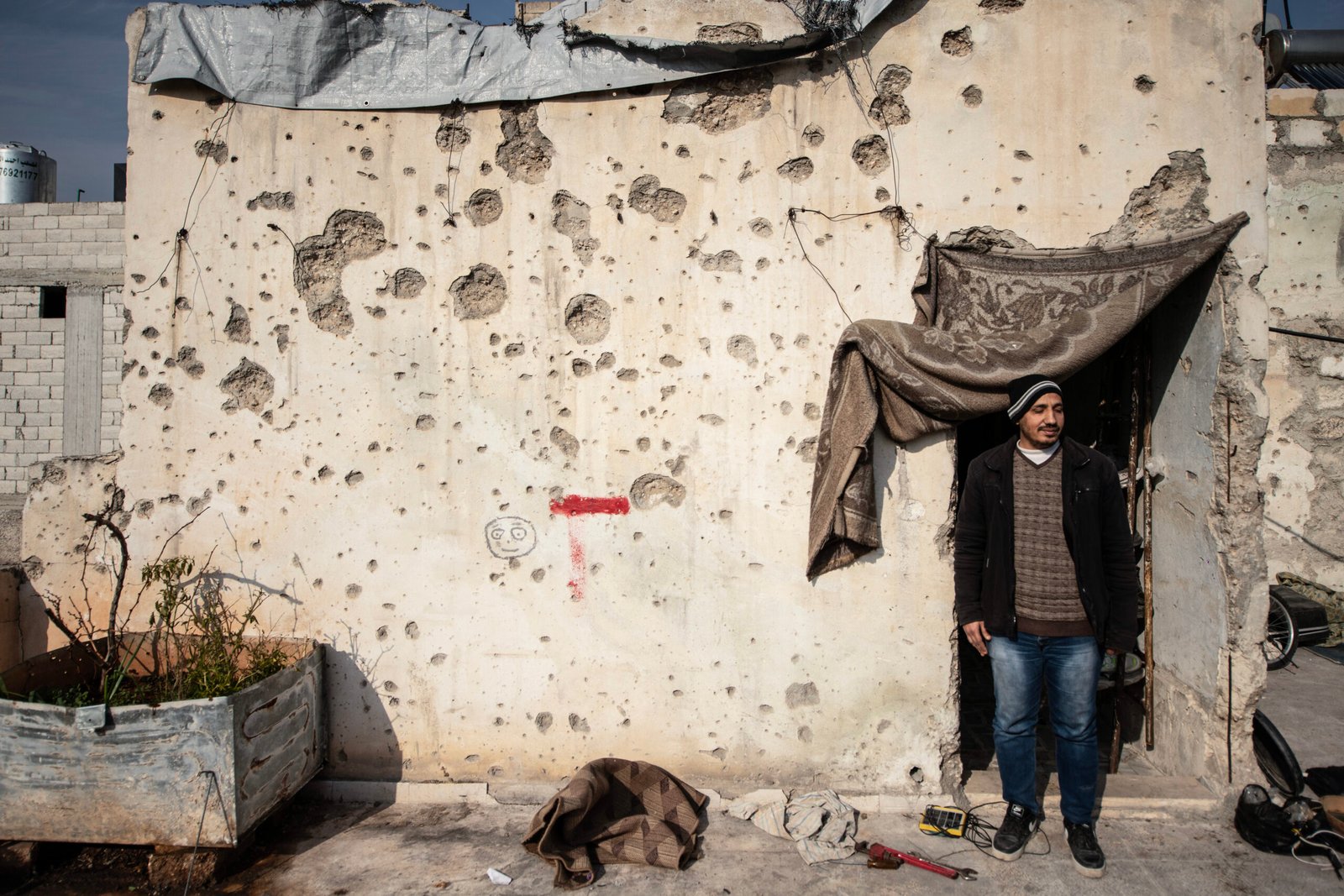
On February 6 at 4:20 a.m. in Damascus, a 7.8-magnitude earthquake struck Syria, causing massive destruction and killing over 5,900 people. The hours immediately following the quake remain a blur, but the sound of the earth cracking became a collective shock. As a Syrian who had not lost family or home, I felt a heightened responsibility to document the disaster. At dawn, I traveled to Jableh, a coastal city severely damaged, navigating collapsed buildings and rescue sites without any official permit, carrying only my press card. Amid the rubble and the race to save lives, a soldier stopped me and asked if I had a permit. I calmly replied that this was not the time for permits, but for saving lives, and continued photographing, fully aware of the risks involved. Over the next two months, I documented the earthquake’s aftermath and human impact, working not only with AFP but also with other international news agencies and humanitarian organizations such as Caritas Austria, Caritas Switzerland, and UNICEF. I also captured how people across Syria mobilized to help the affected, setting aside long-standing regional and social divisions. The solidarity and resilience of Syrians became as central to my work as the destruction and relief efforts themselves. AFP – UNICEF – Cariats Switzerland