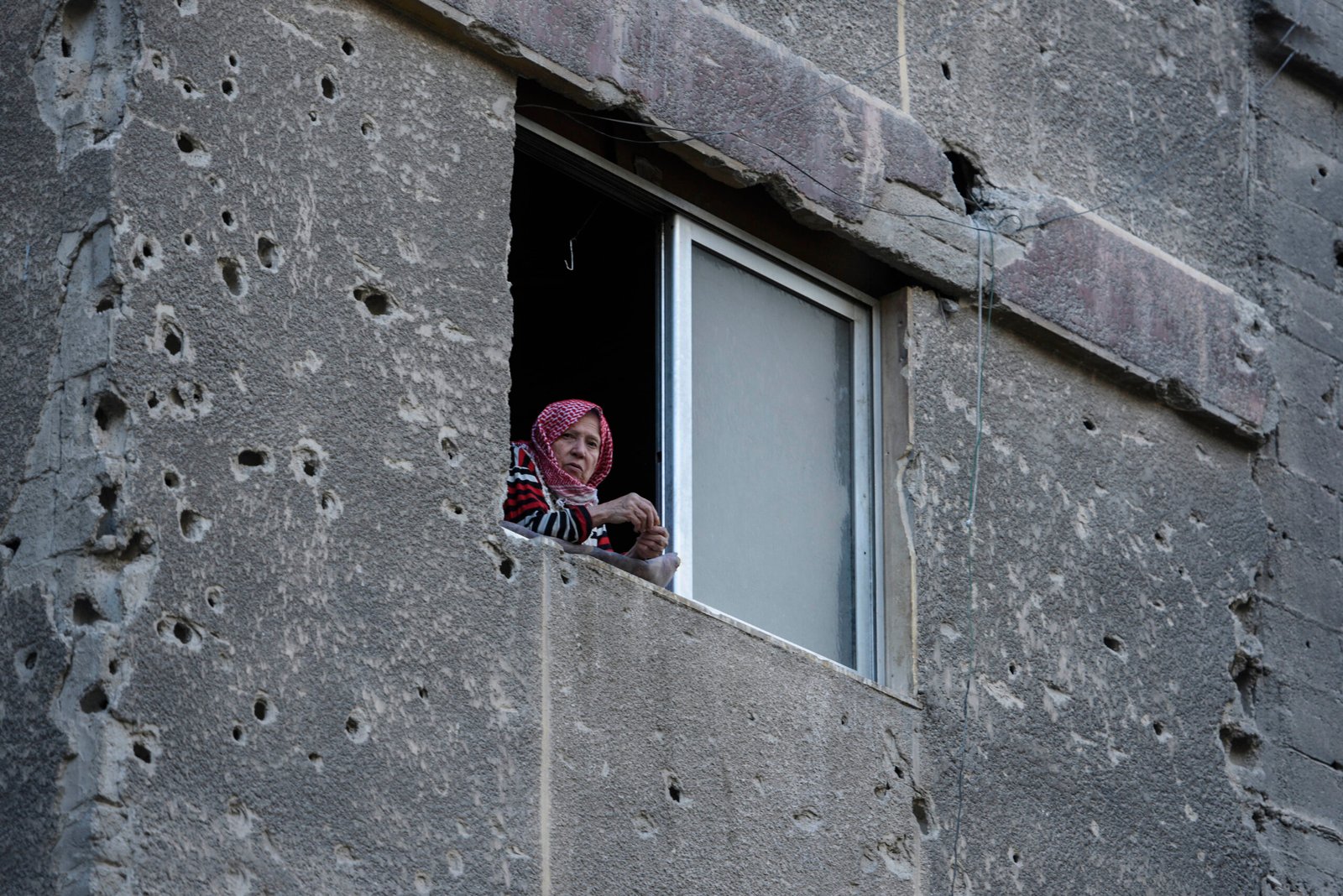
For more than fourteen years under a regime that thrived on fear and isolation, individuality became a means of survival. Everything happened in secrecy; every glance was calculated, and every photograph demanded justification. I moved through the streets like a stranger in my own city, watching every face and measuring every step. Photography, once my way of understanding the world, became an act of concealment, almost like smuggling. I photographed quickly, hid my camera whenever I could, and felt anxious every time I raised it in public, living constantly with uncertainty and the expectation that something could go wrong.
Yet, from time to time, rare moments broke through that dense silence. Moments when fear suddenly dissolved, even if only briefly, as though an invisible weight built up over years had been lifted from people’s shoulders.
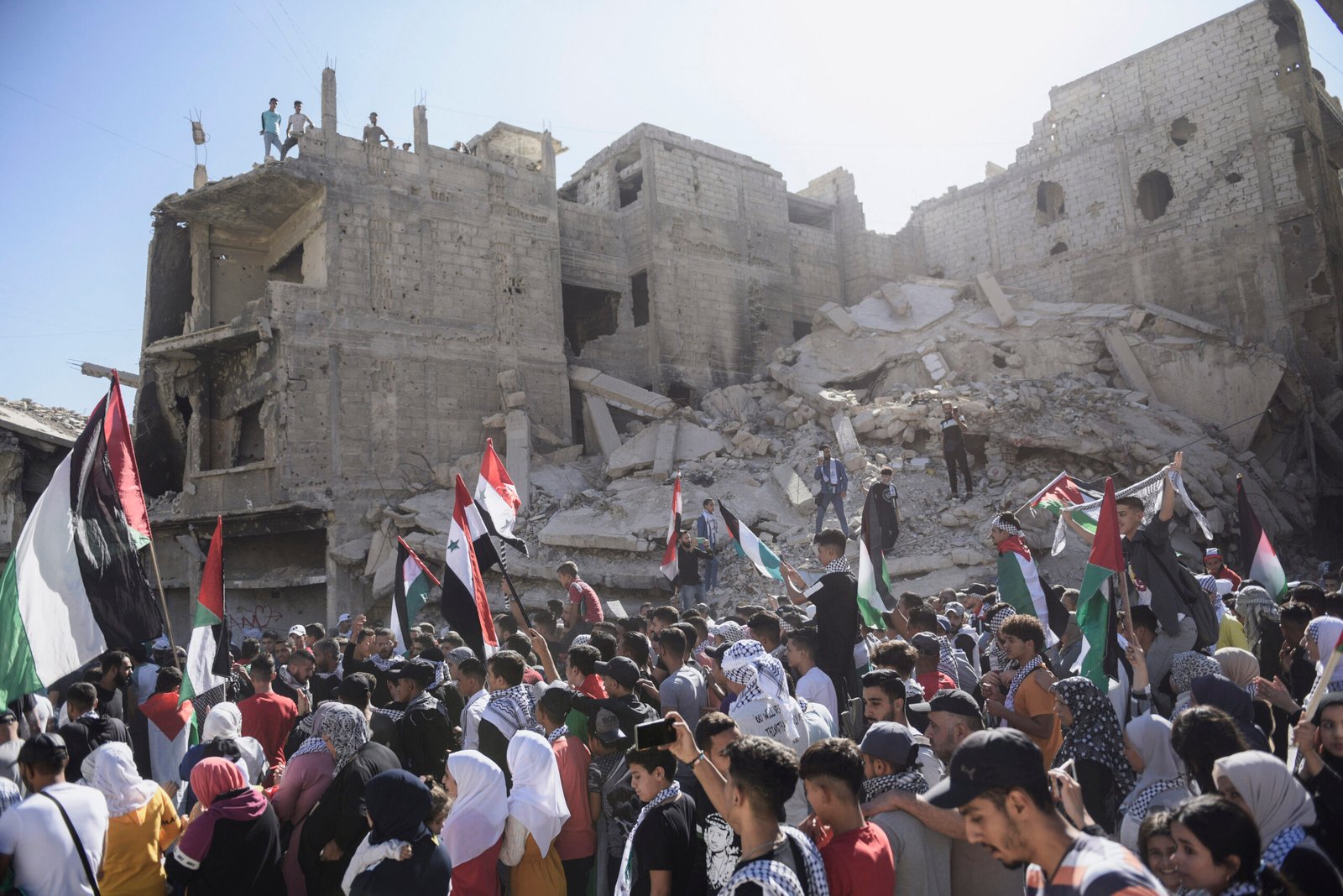
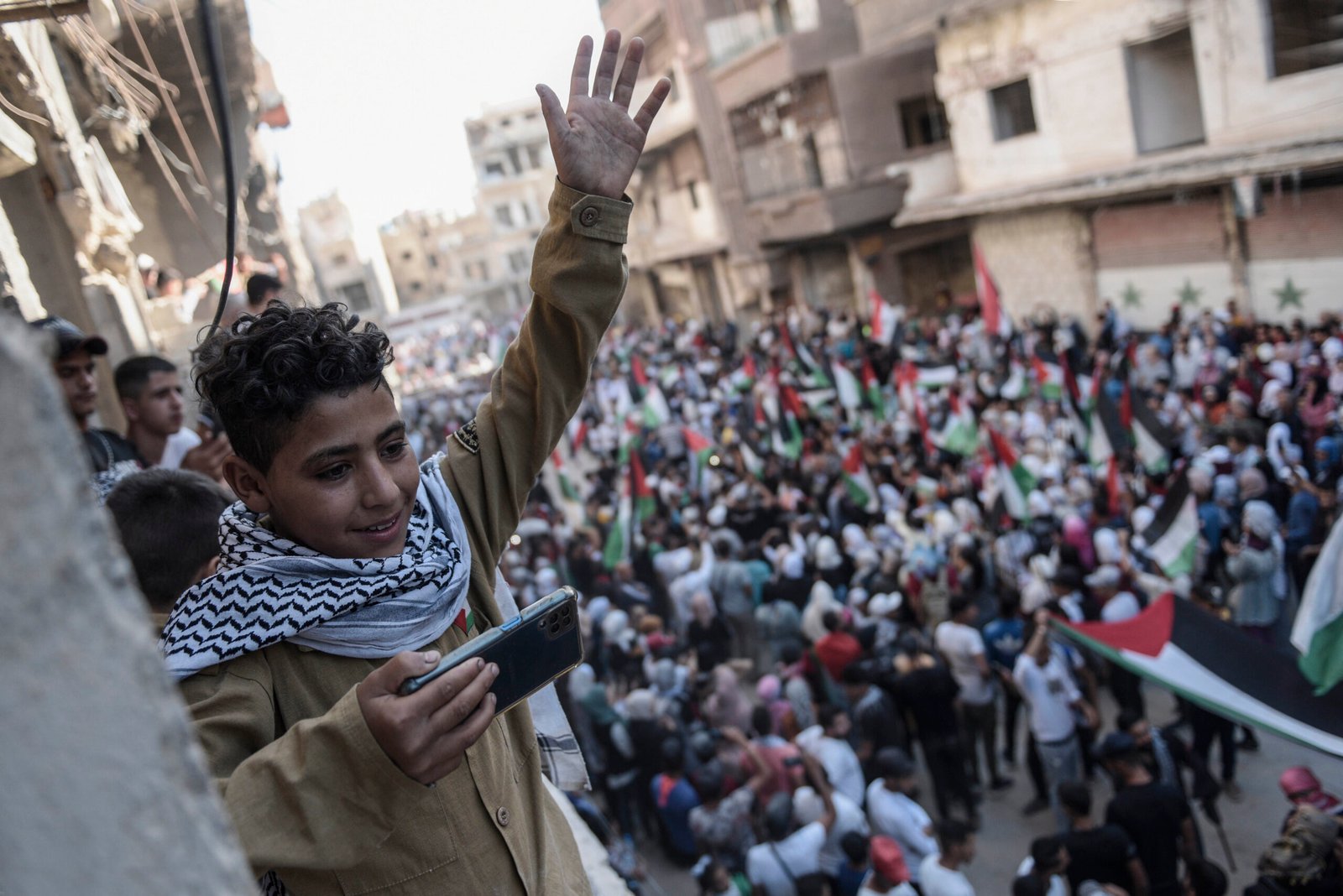
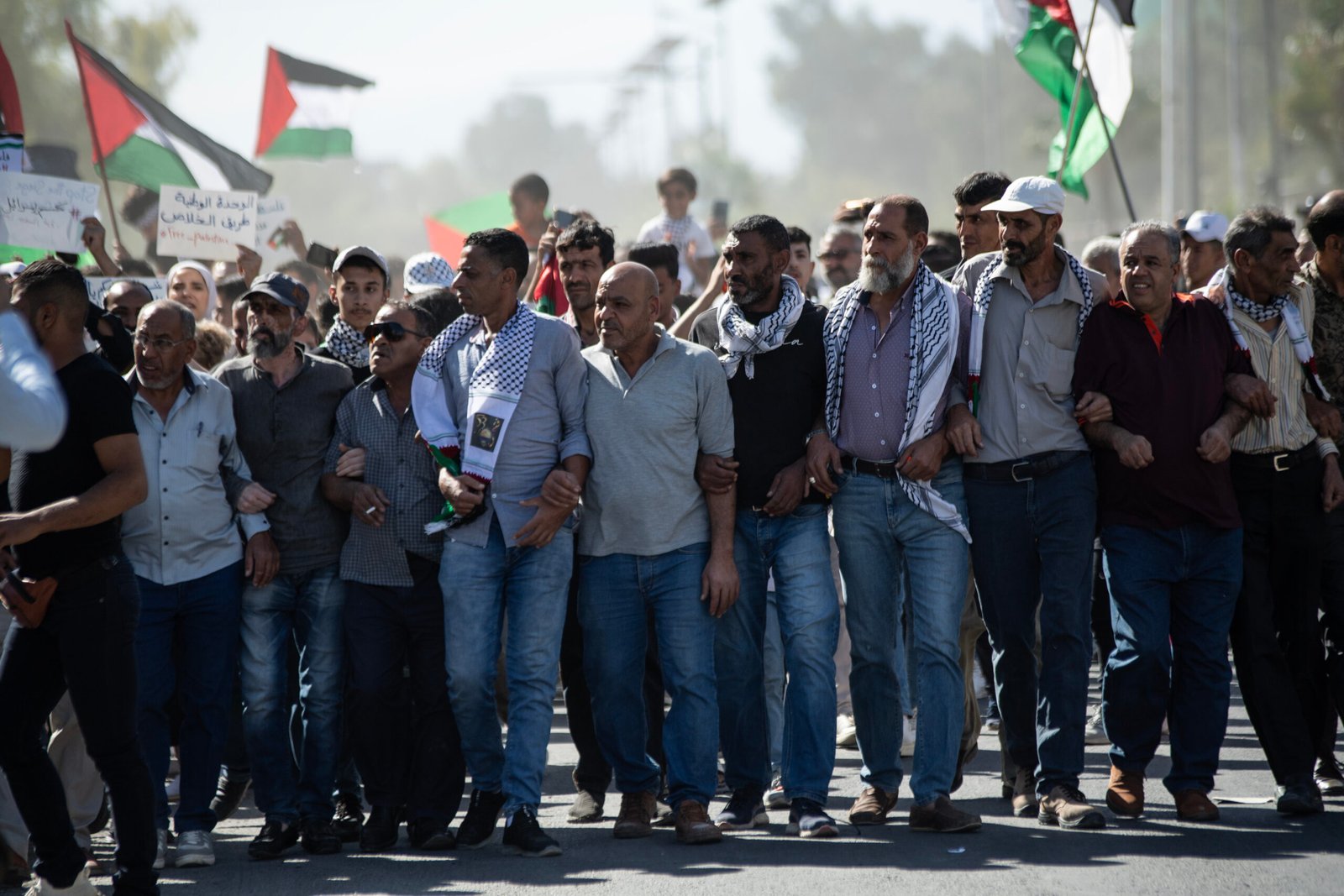
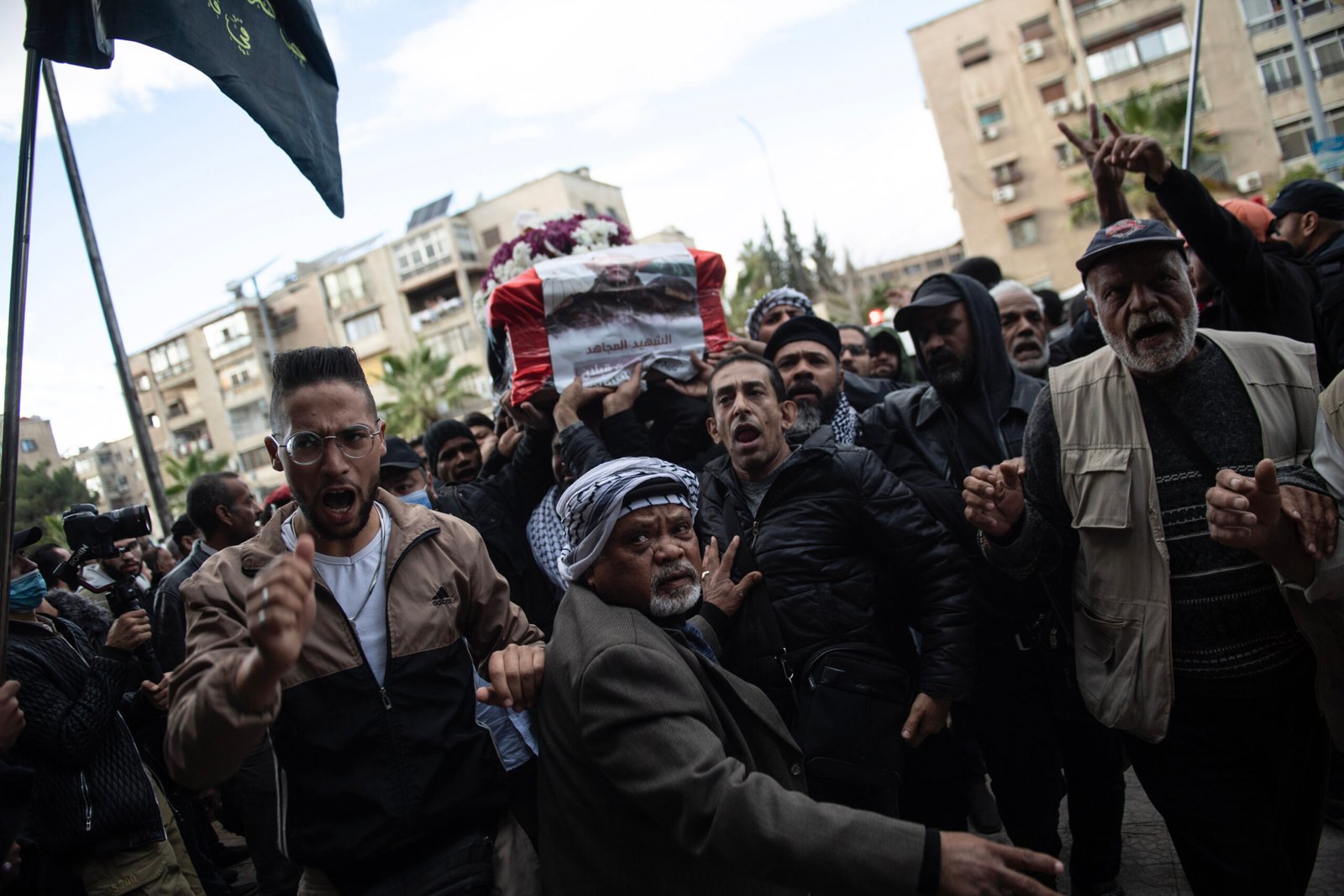
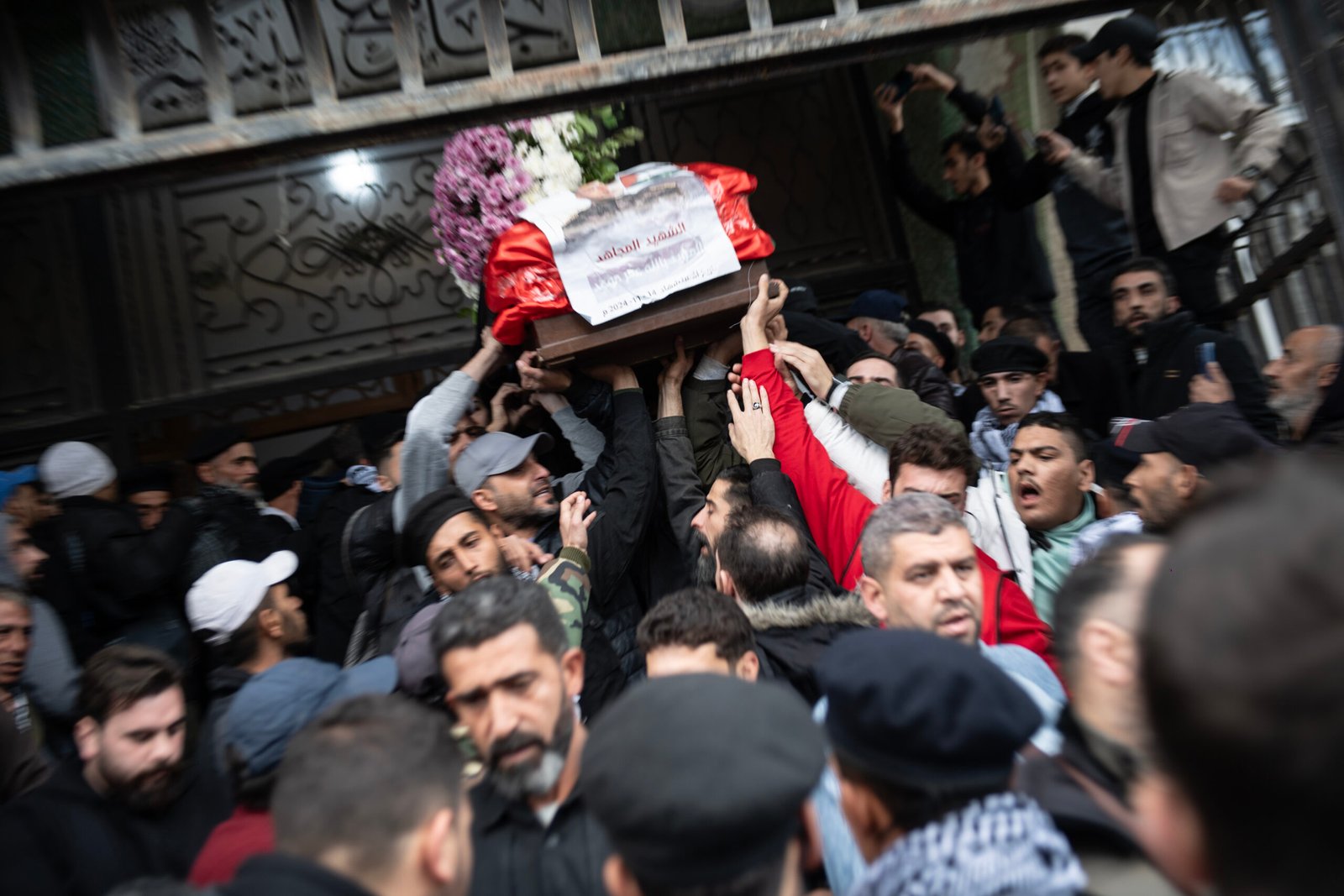
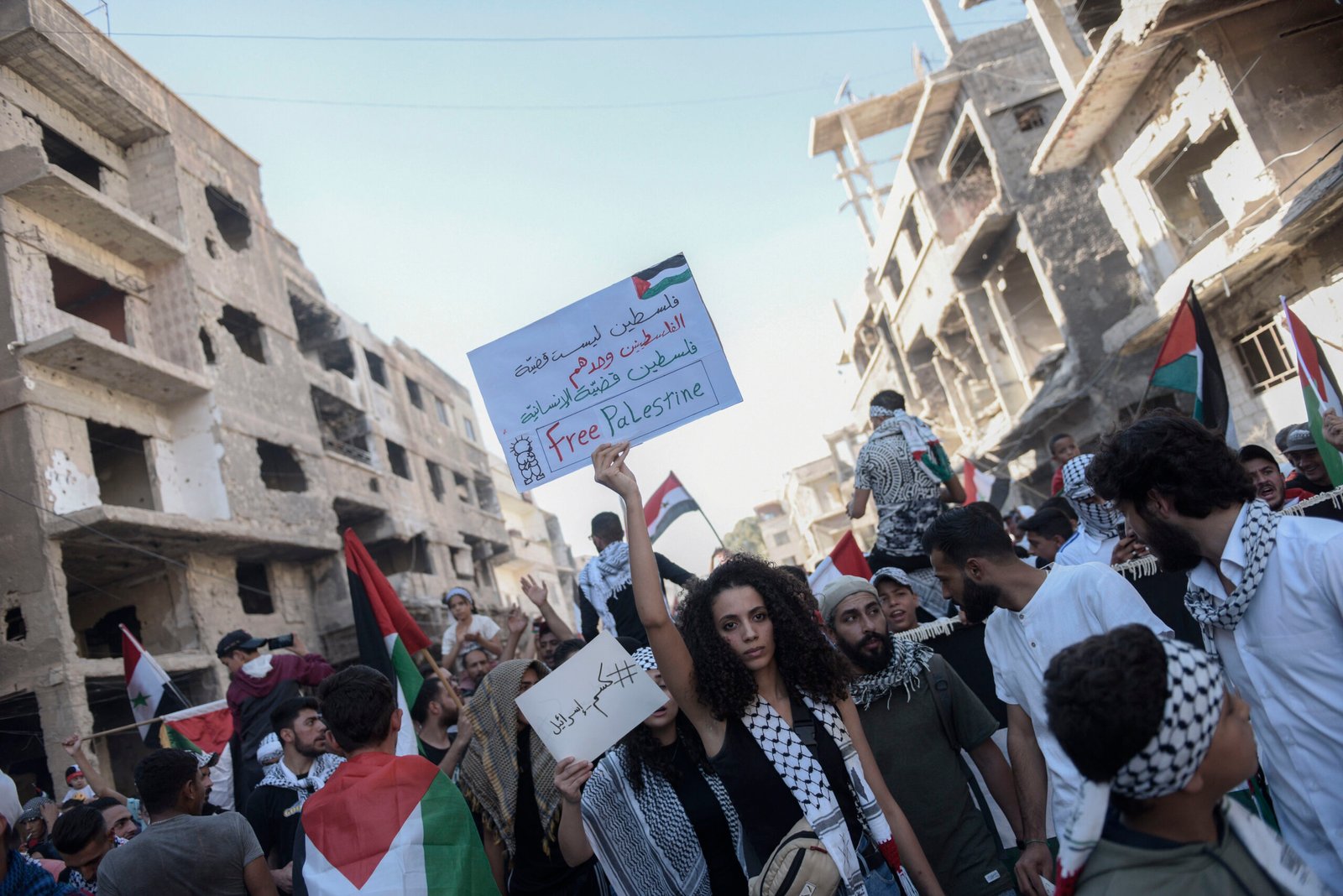
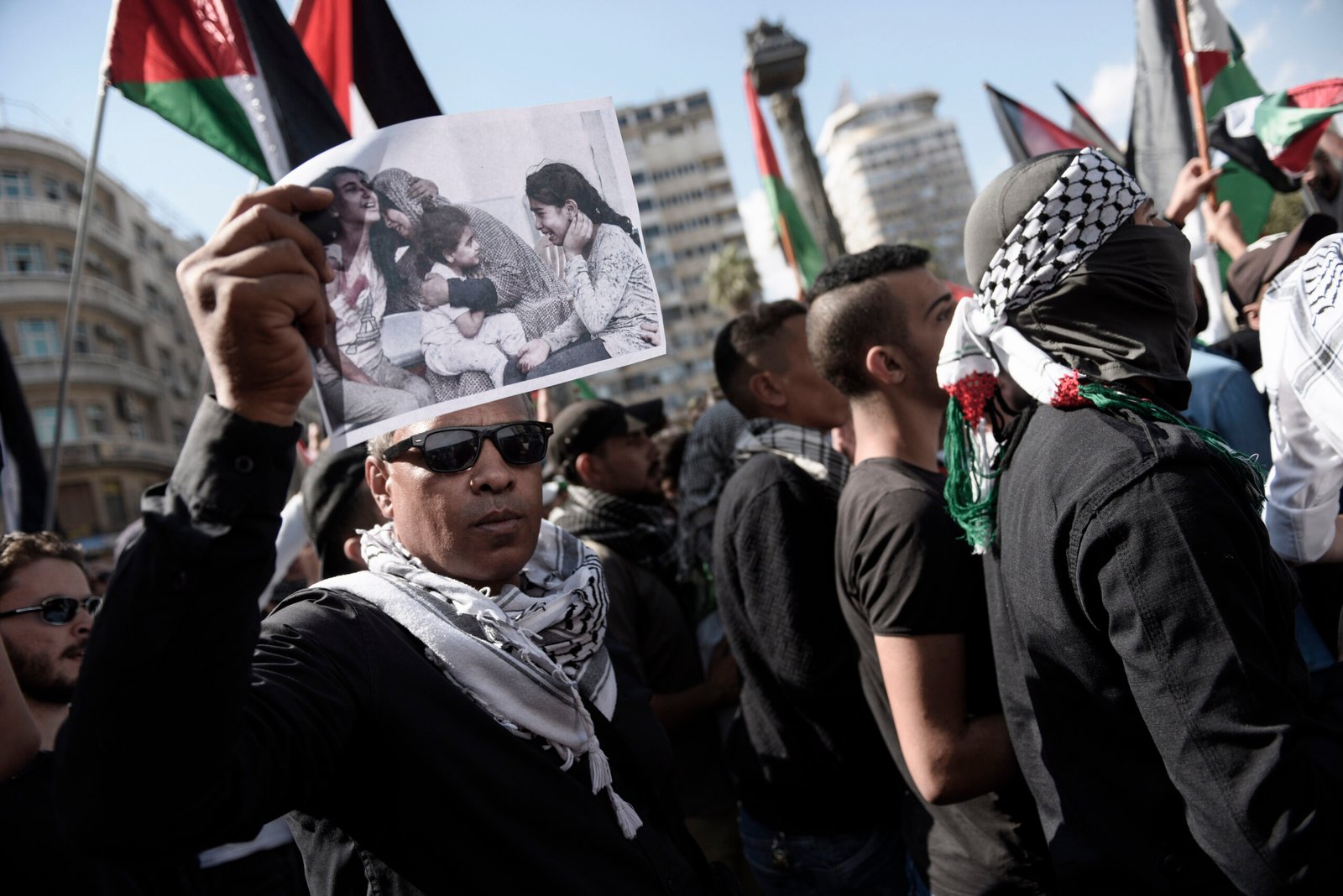
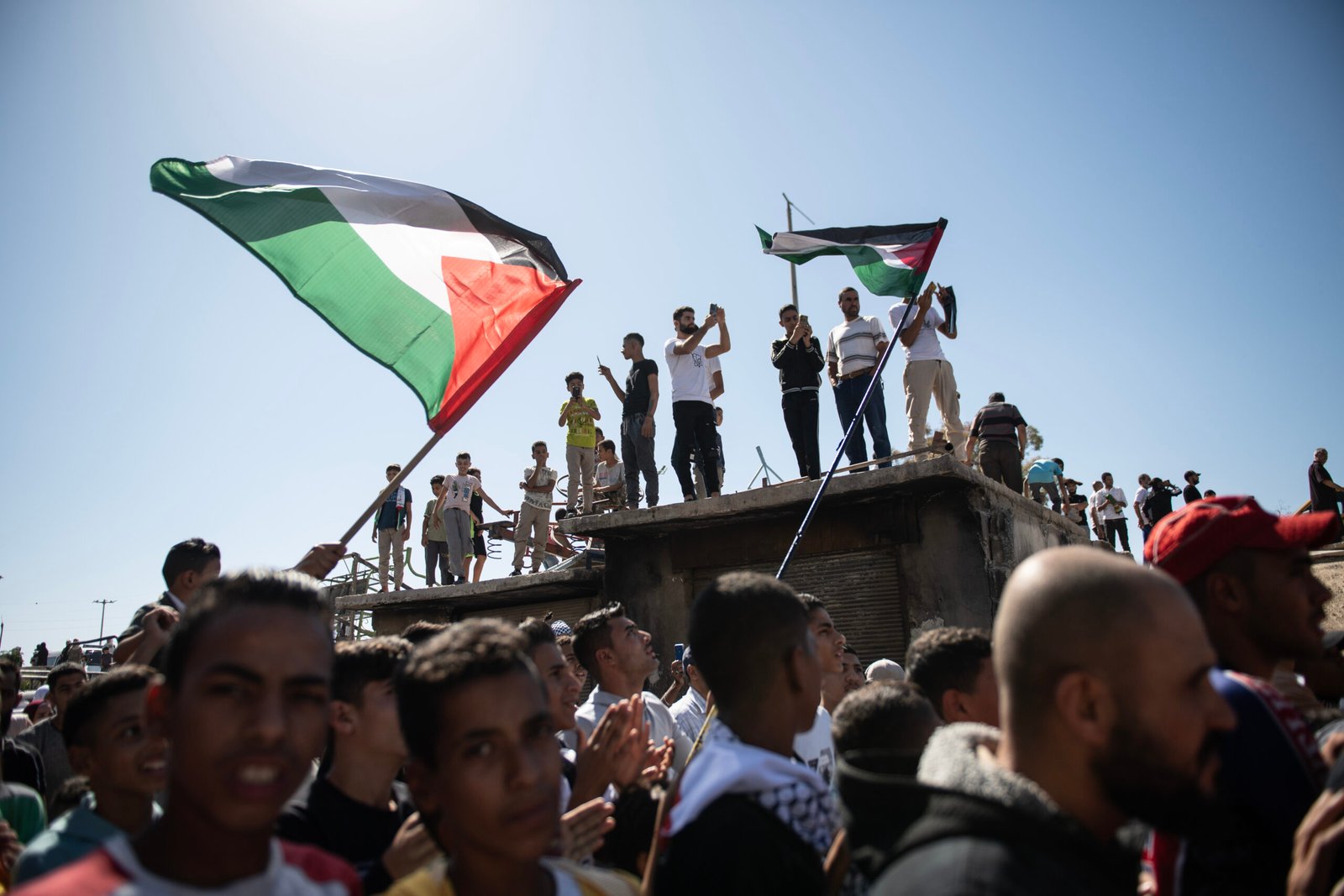
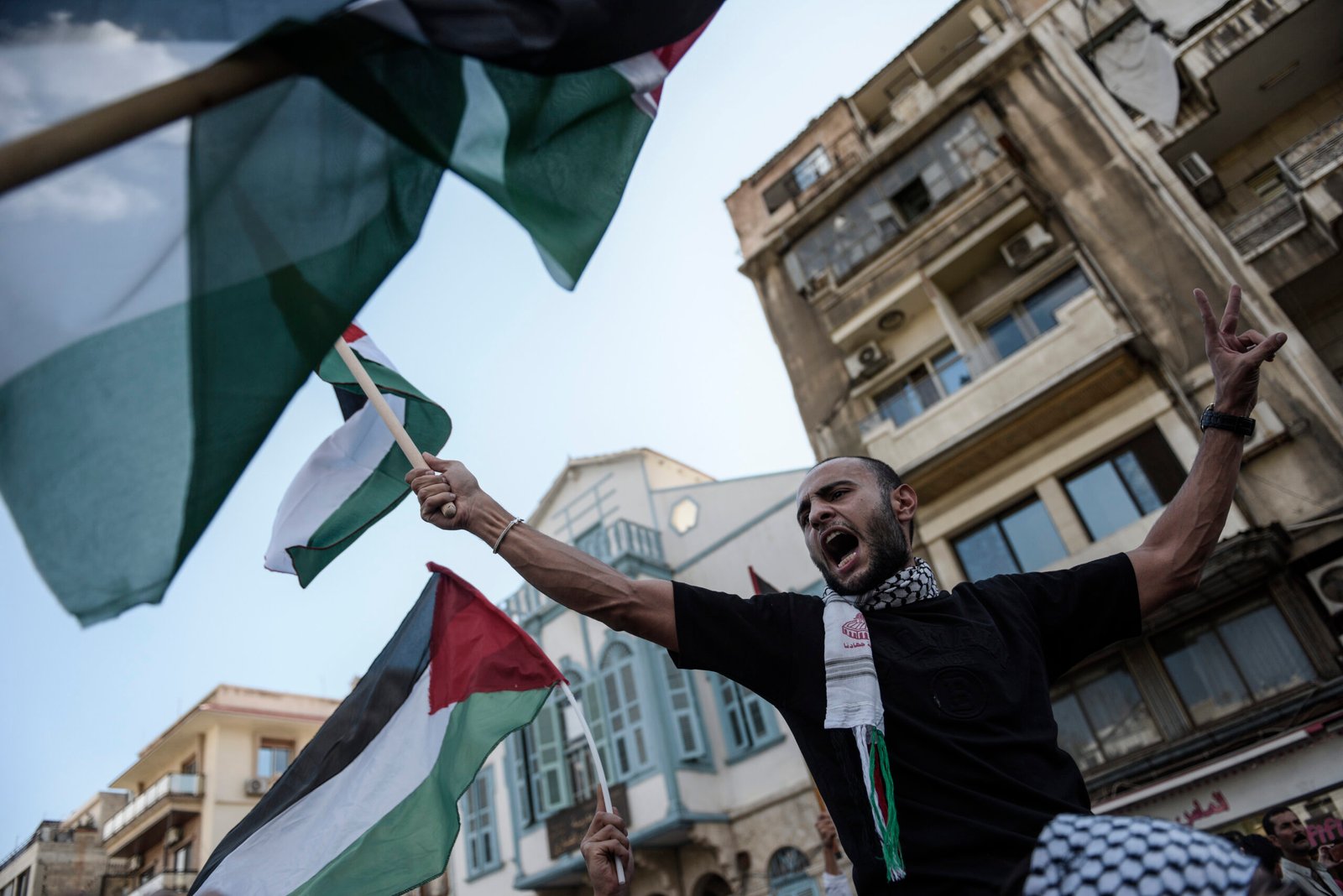
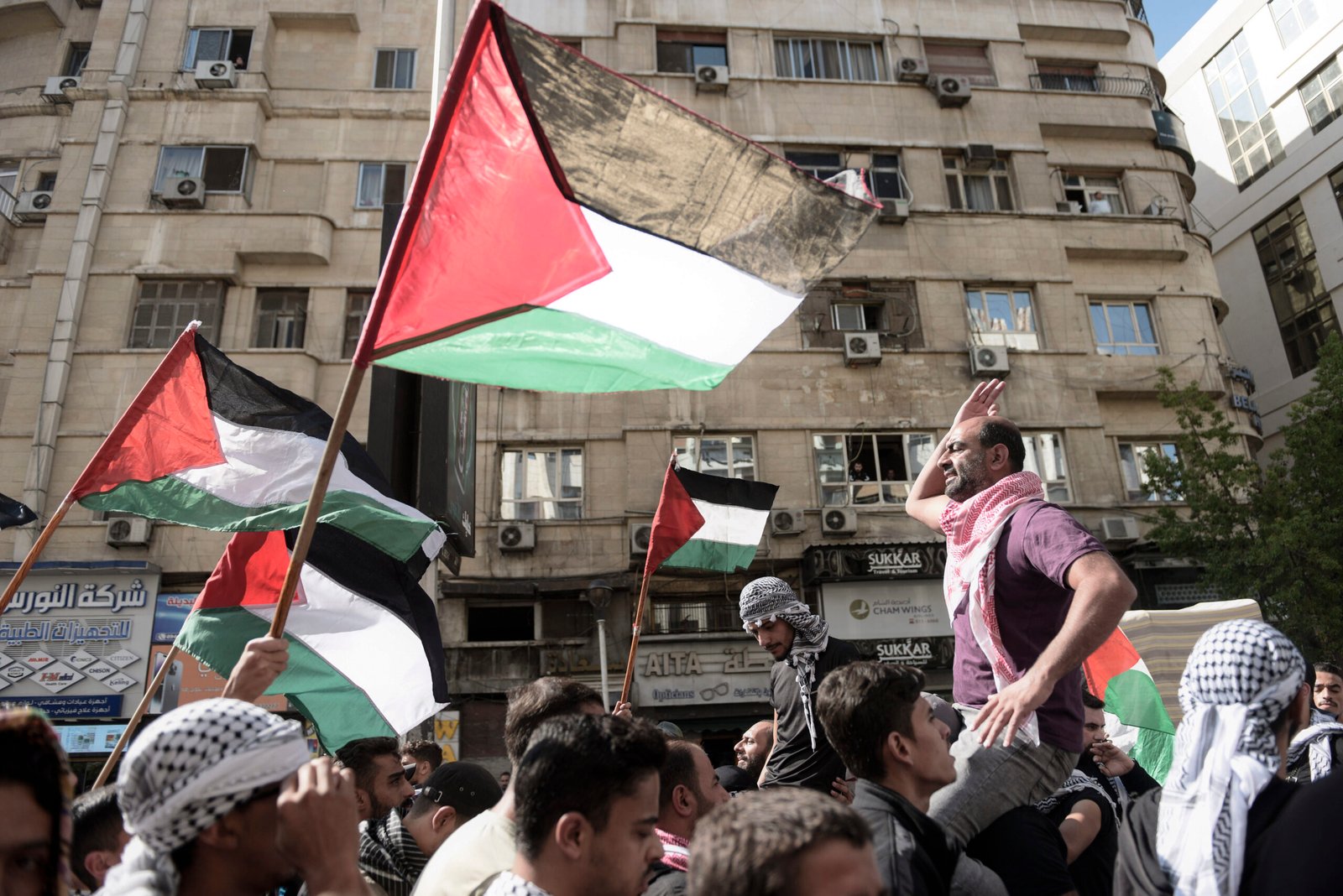
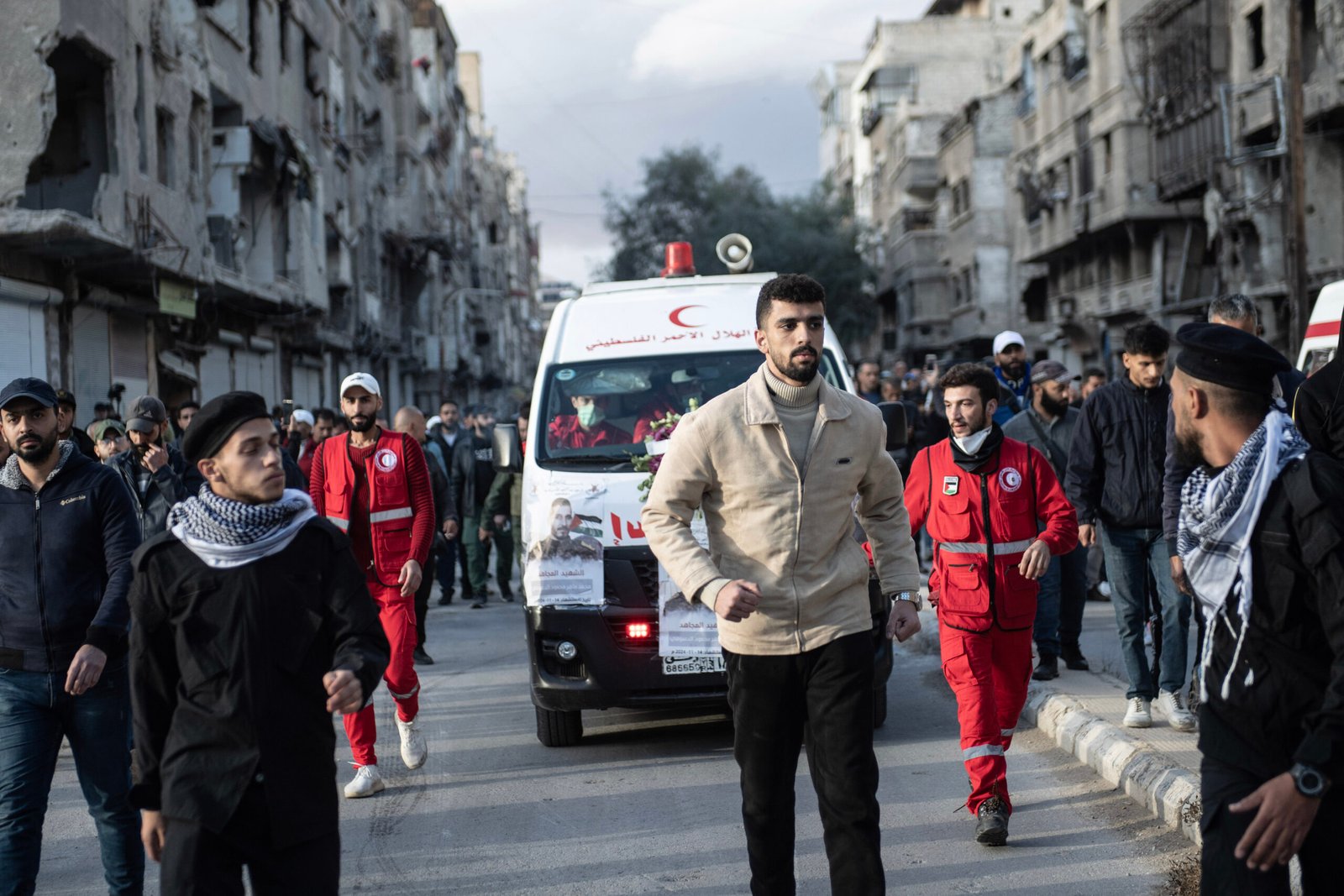
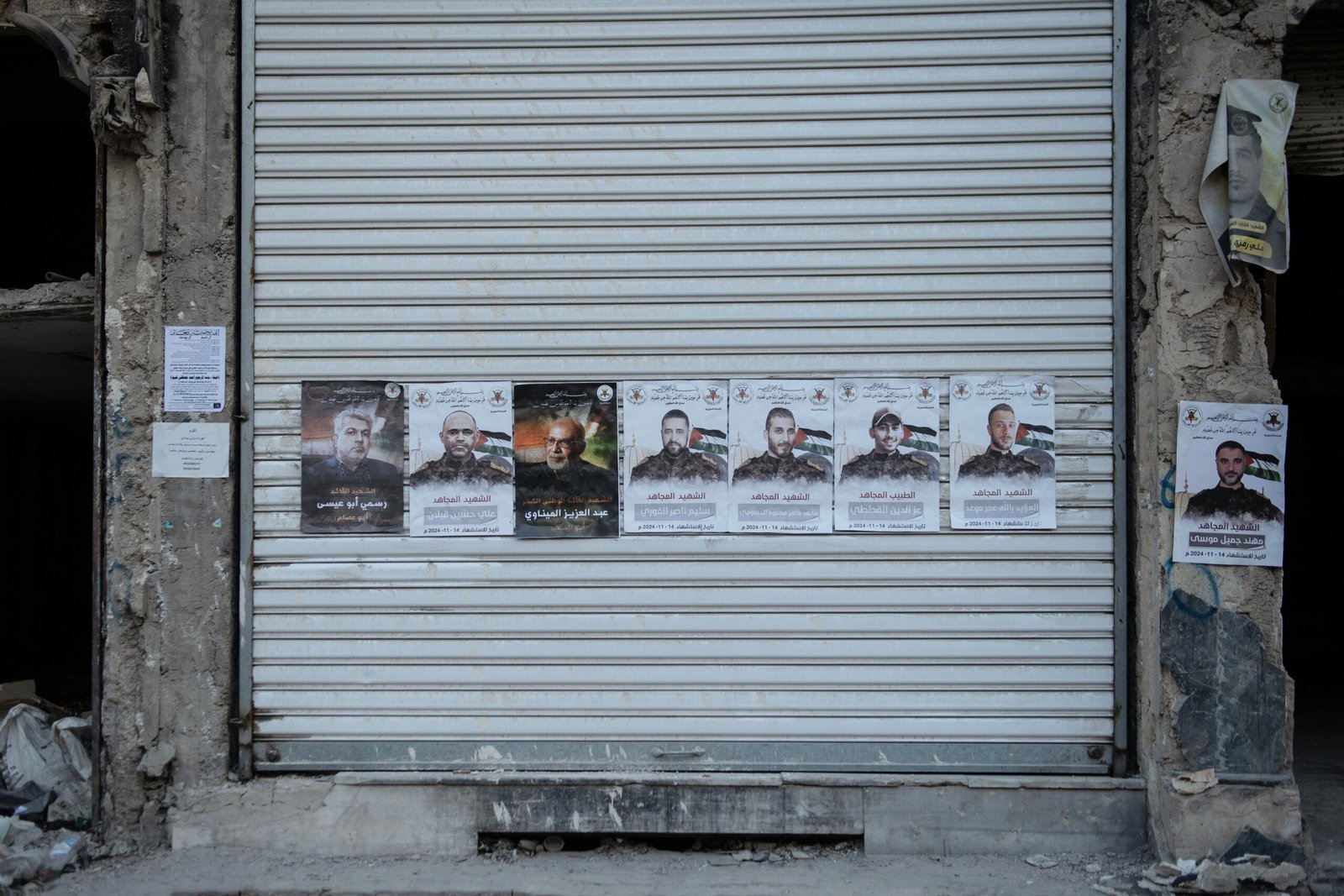
A demonstration in support of Palestine could give the streets a new pulse. A funeral procession could bring people out of their homes, allowing them to discover how close they still were to one another. For a brief moment, the invisible walls built by years of fear seemed to disappear. These fragile moments reminded us that what connected us was far stronger than everything that had been used to divide us. To me, they became windows into a sense of collective belonging that had long been absent. In those moments, I felt that I belonged, that I was no longer alone, and that photography could become an act of genuine resistance rather than simply a hidden form of documentation.
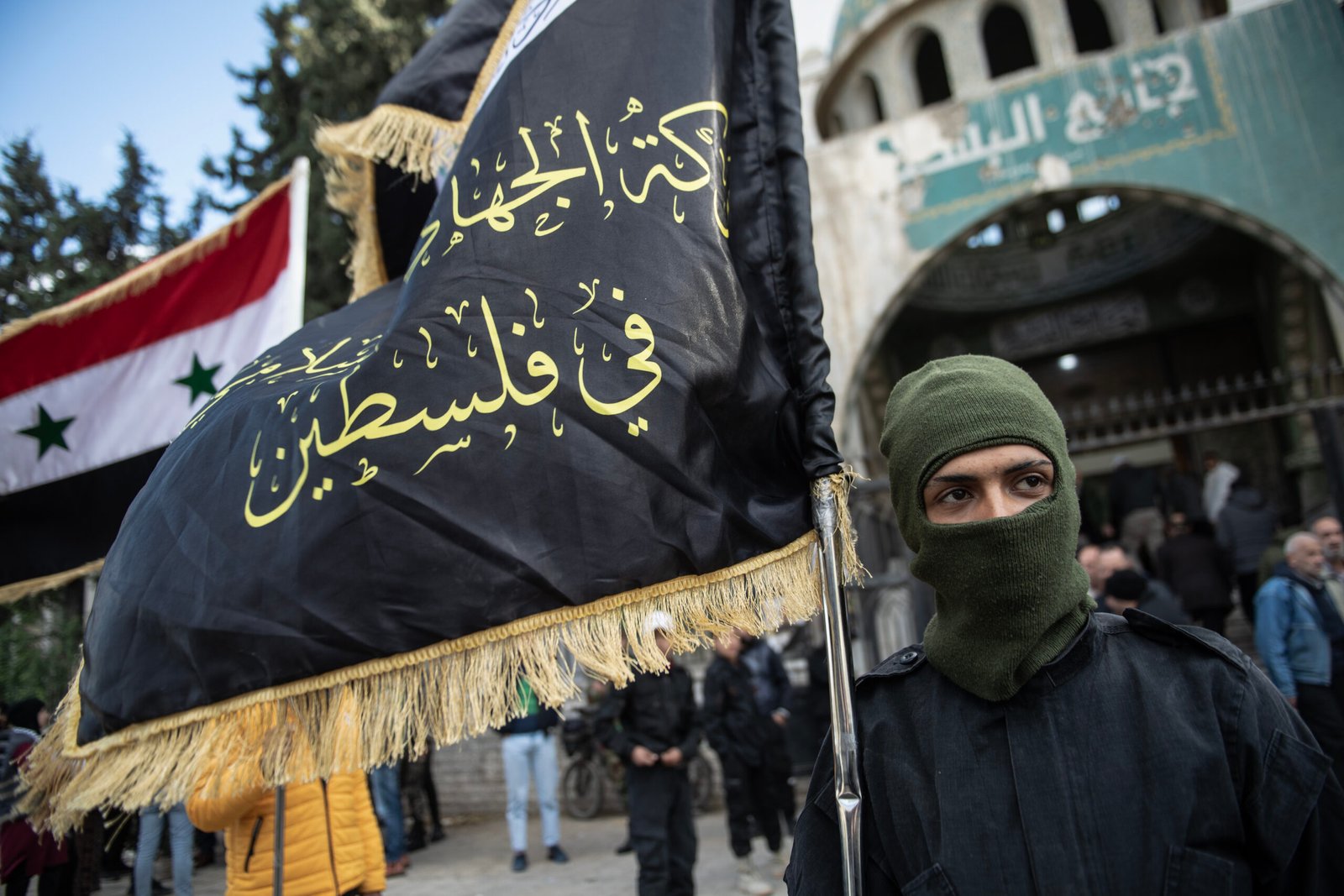
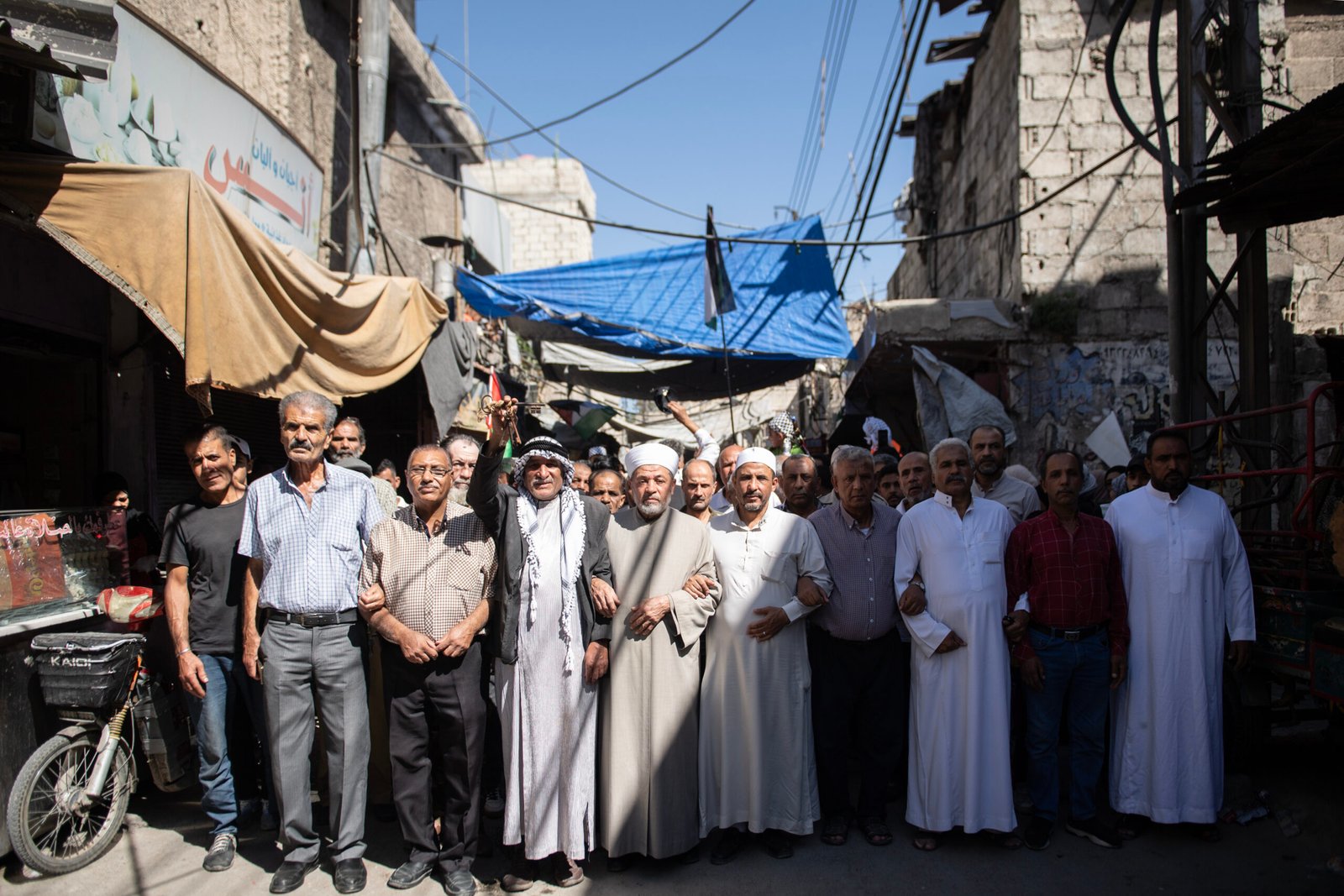
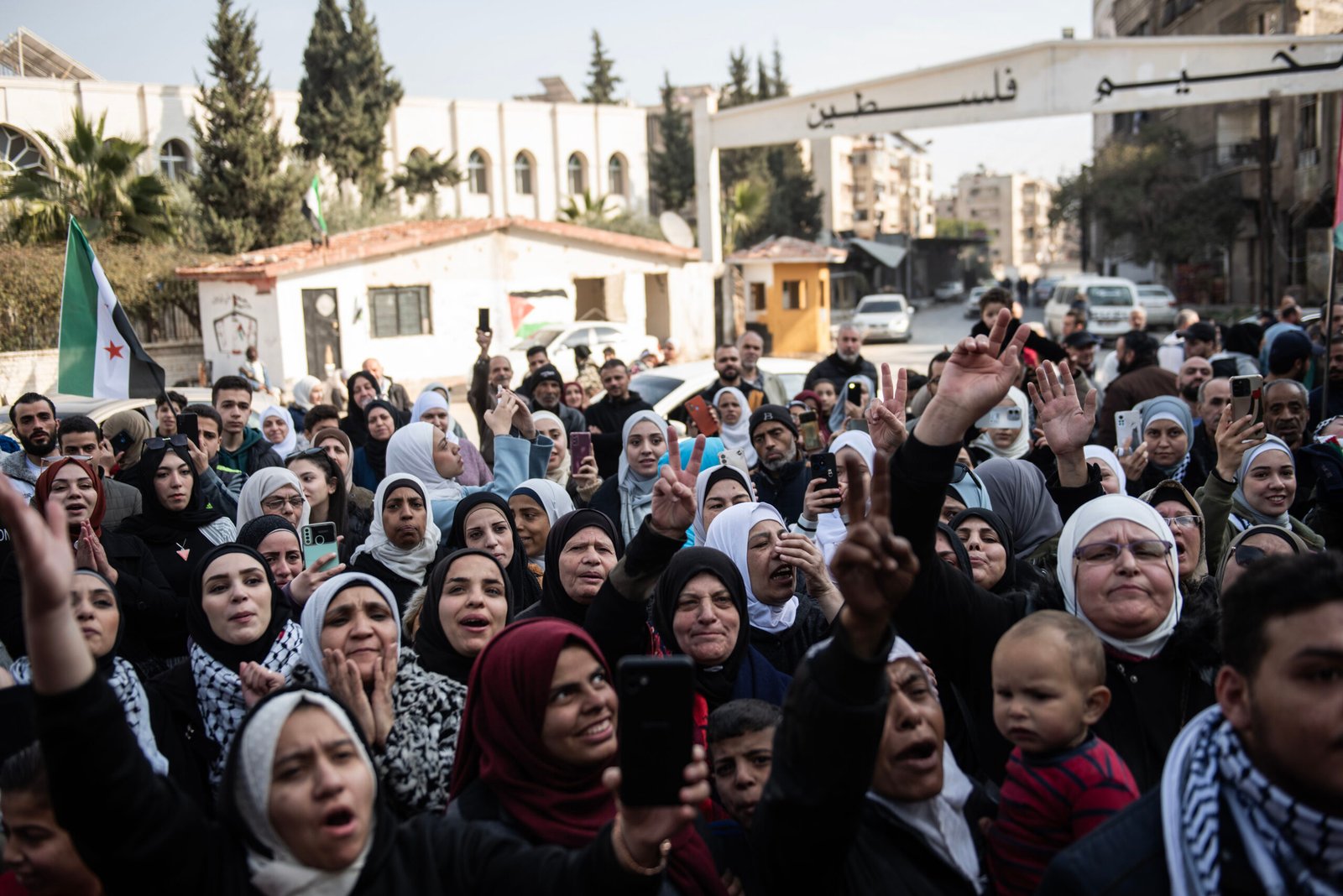
After October 7, life in Syria changed in unexpected ways. The war in Gaza deeply resonated across the country, shaped by Syria’s long historical connection to the Palestinian cause, the Assad regime’s political narrative of supporting Palestine, and the large Palestinian communities living in camps such as Jaramana, Yarmouk, and Khan Dannoun, as well as many other neighborhoods across the country.
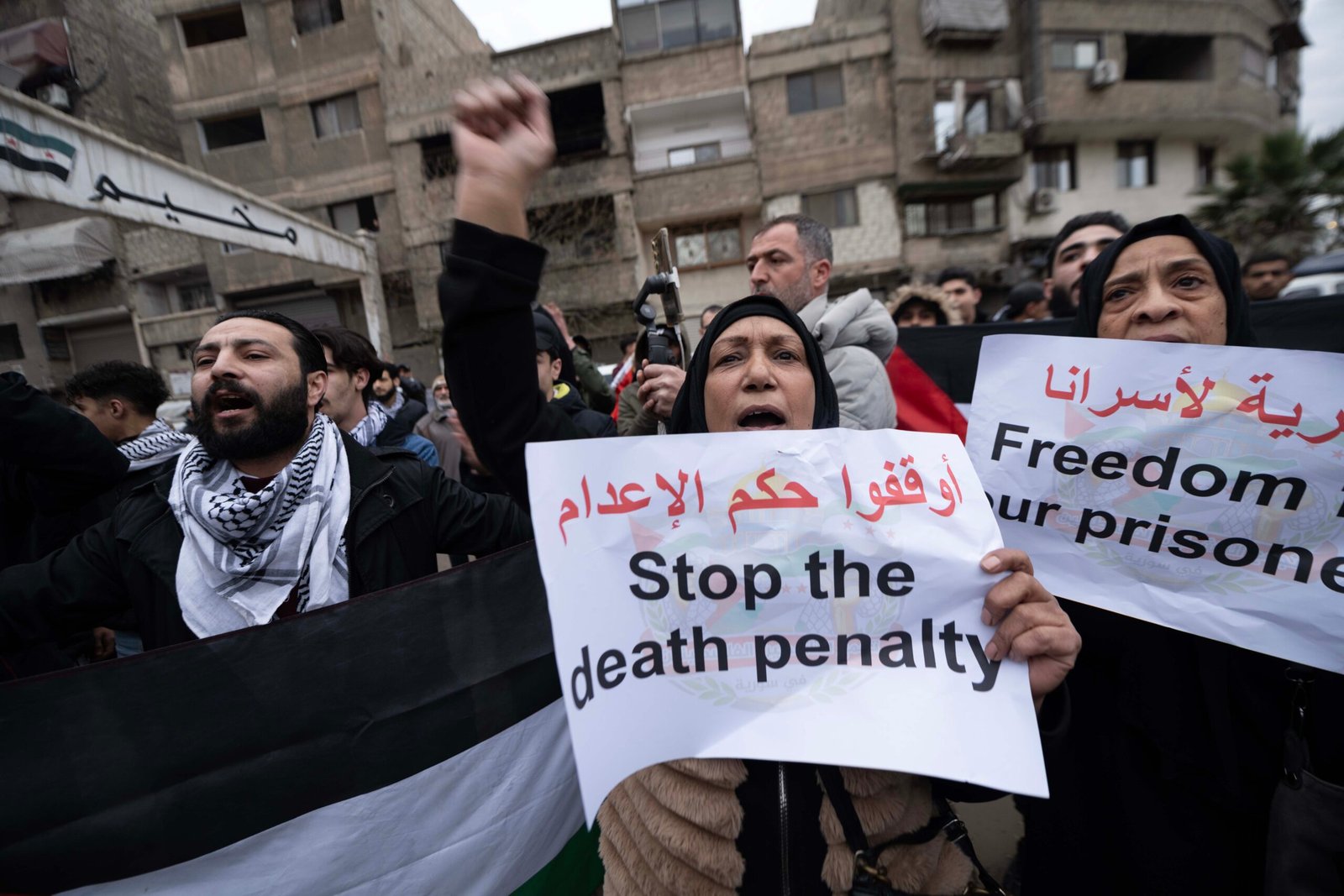
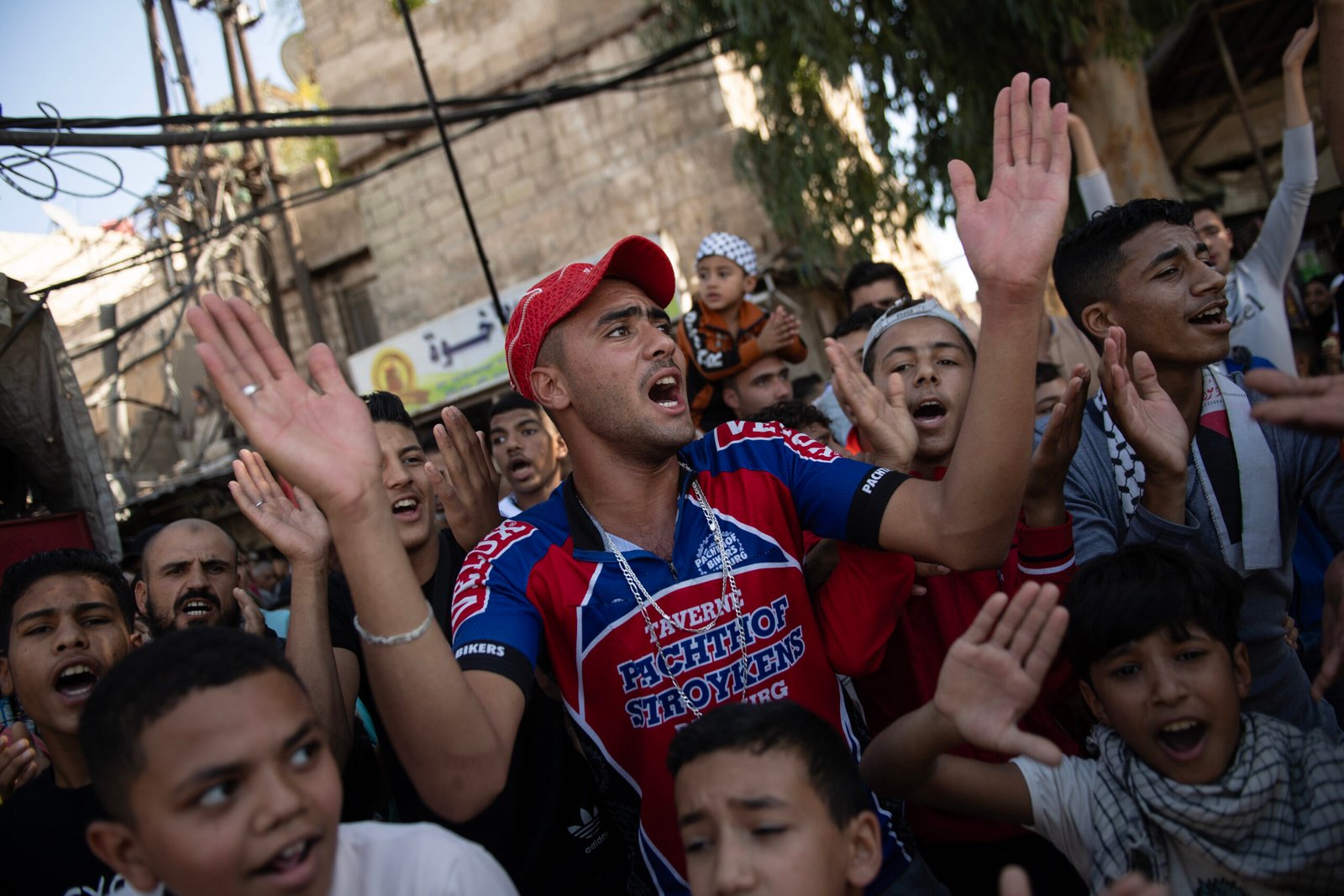
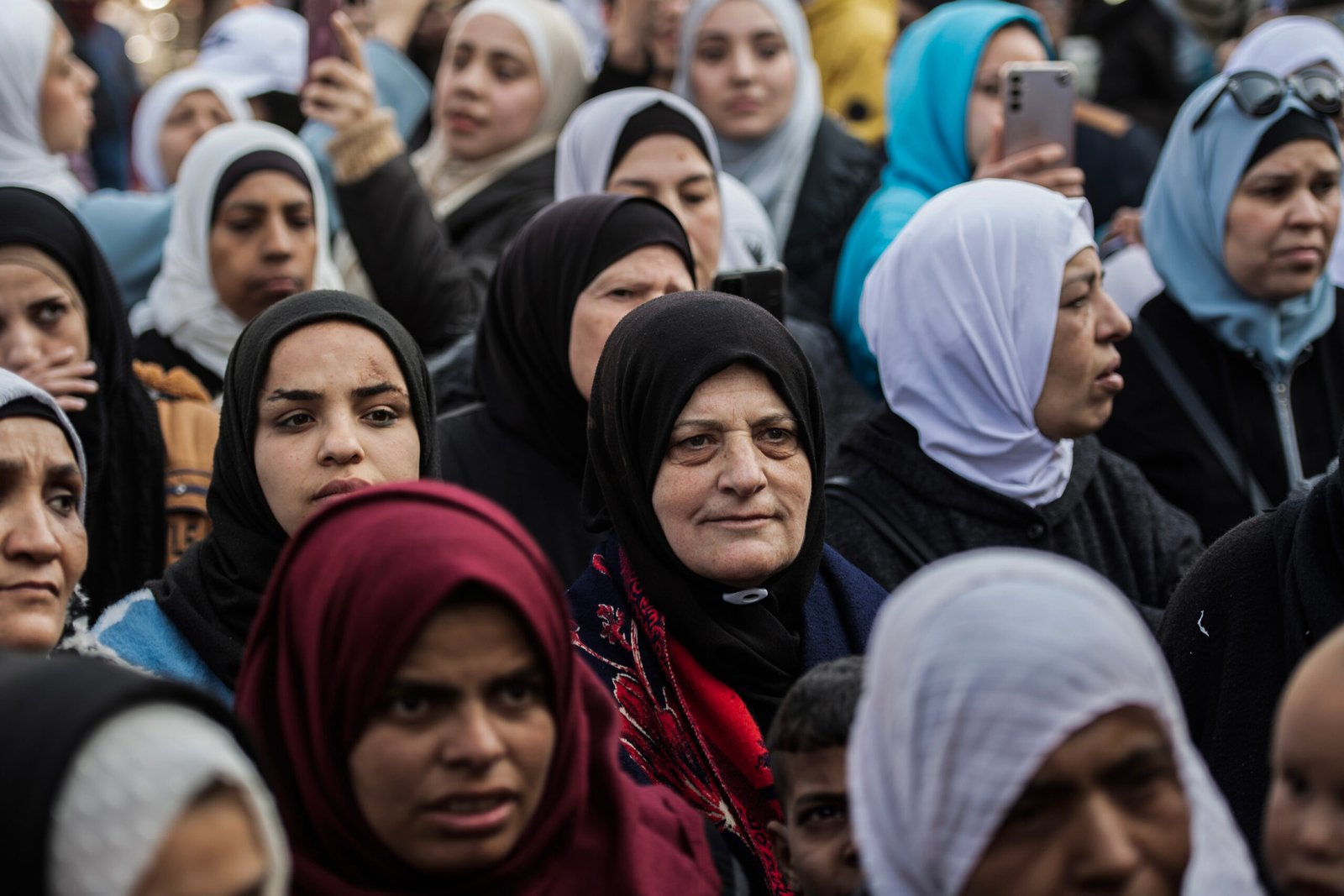
As the war intensified, these communities organized demonstrations calling for the borders to be opened and for Syrians to stand alongside the people of Gaza. For me, these gatherings revived something I had almost forgotten: the feeling of collective presence, and the realization that fear begins to fade when thousands of people stand together. It was a feeling that many Syrians had lost after the brutal repression of the 2011 uprising and the years of war that followed.
Although these demonstrations were not directed against the regime, they carried subtle messages through their chants, gestures, and the simple act of reclaiming public space. They revealed how deeply people longed to stand together and raise their voices once again. As a photographer, this gave me a rare opportunity to document not only the solidarity between Palestinian communities in Syria and the people of Gaza, but also the quiet reawakening of a collective spirit that had been suppressed for more than a decade.