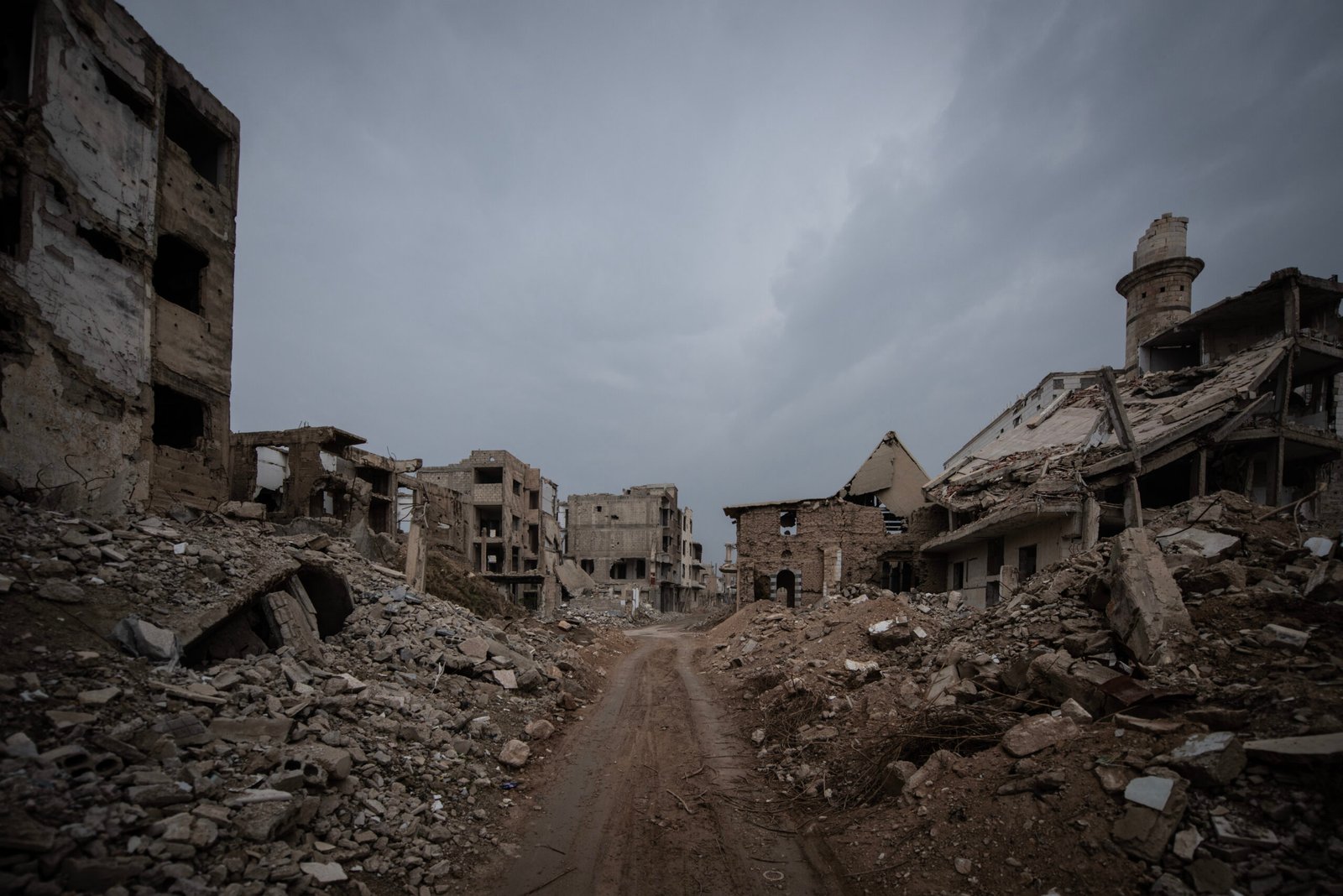
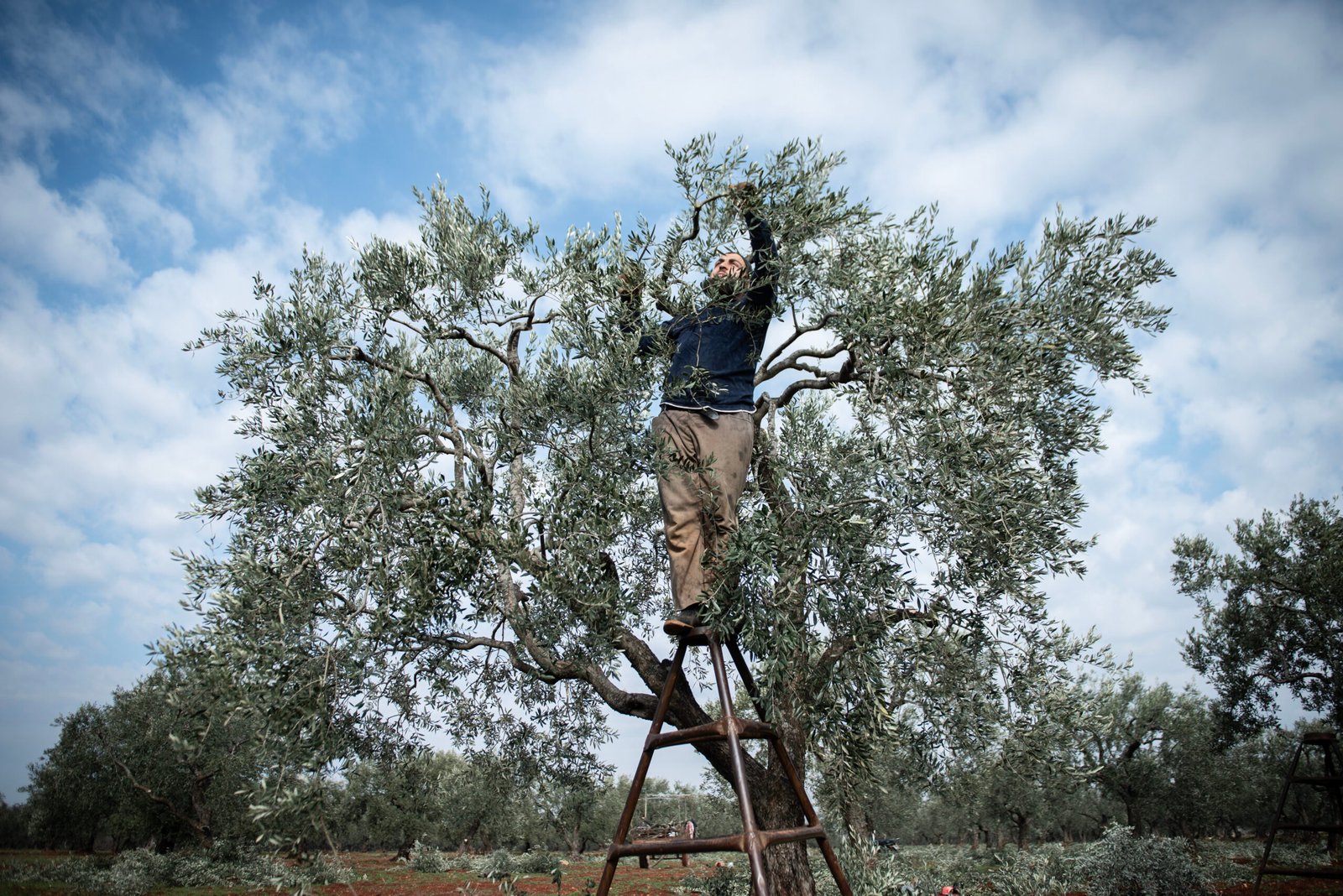
When Bashar al-Assad’s regime fell in December 2024, millions of Syrians finally began imagining a return home. The frontlines had disappeared, checkpoints were opening, and villages abandoned for years were slowly welcoming back their residents. But for many Syrians, the end of the war did not mean the end of danger.
Across the country, the land itself had become the battlefield.
As part of an internship with The New Humanitarian, I worked alongside journalist Zeina Shahla to document this overlooked chapter of Syria’s recovery. Together, we travelled across Damascus, Homs, Idlib, and Aleppo, following the hidden legacy of the war through the people trying to make their communities safe again.
Fields, streets, orchards, schools, and even the ruins of homes remained contaminated with landmines, cluster munitions, and unexploded ordnance left behind after more than thirteen years of conflict. While no one knows the true scale of contamination, estimates suggest there are more than 300,000 landmines across Syria, in addition to countless unexploded bombs scattered across former frontlines.
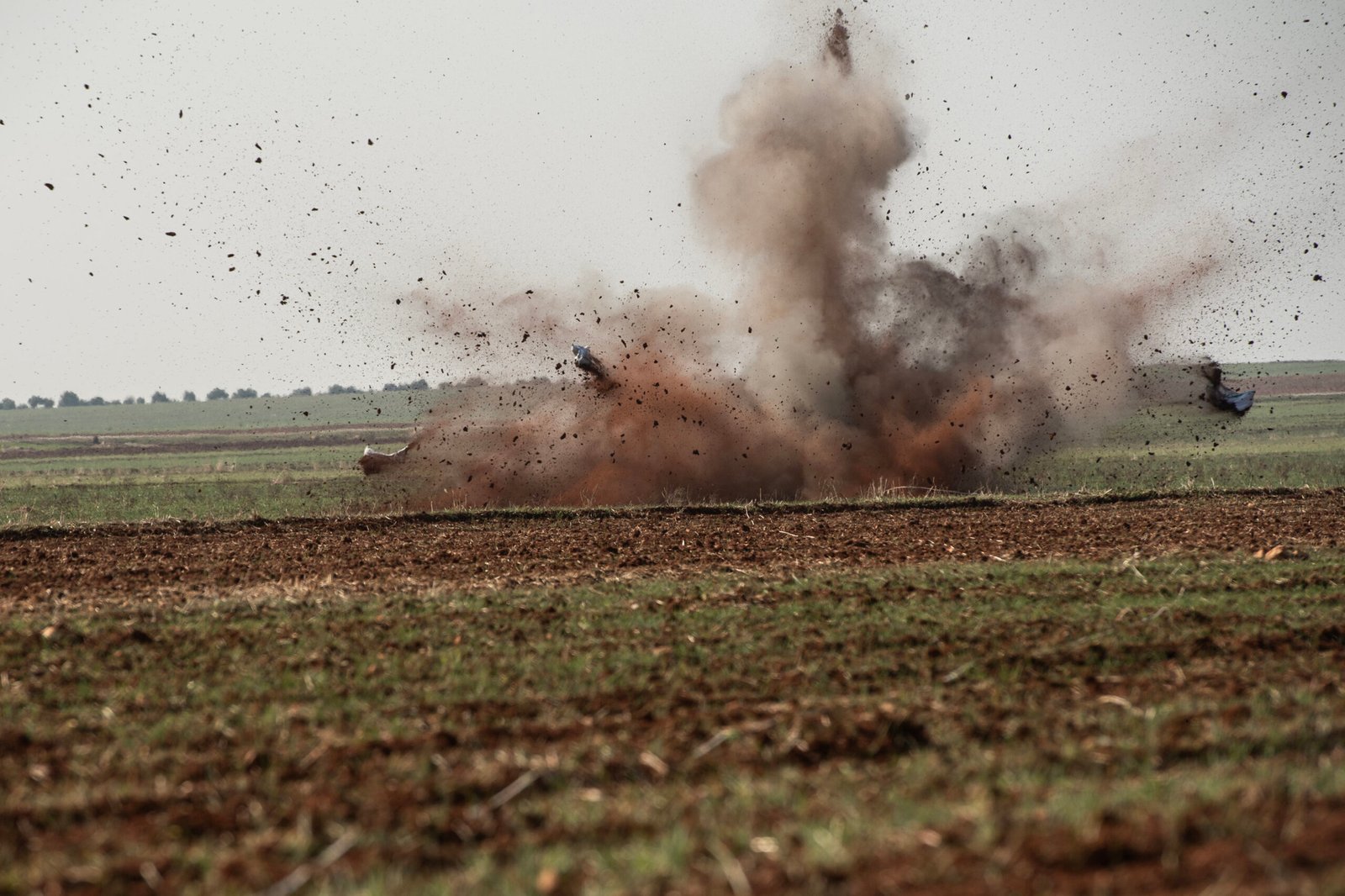
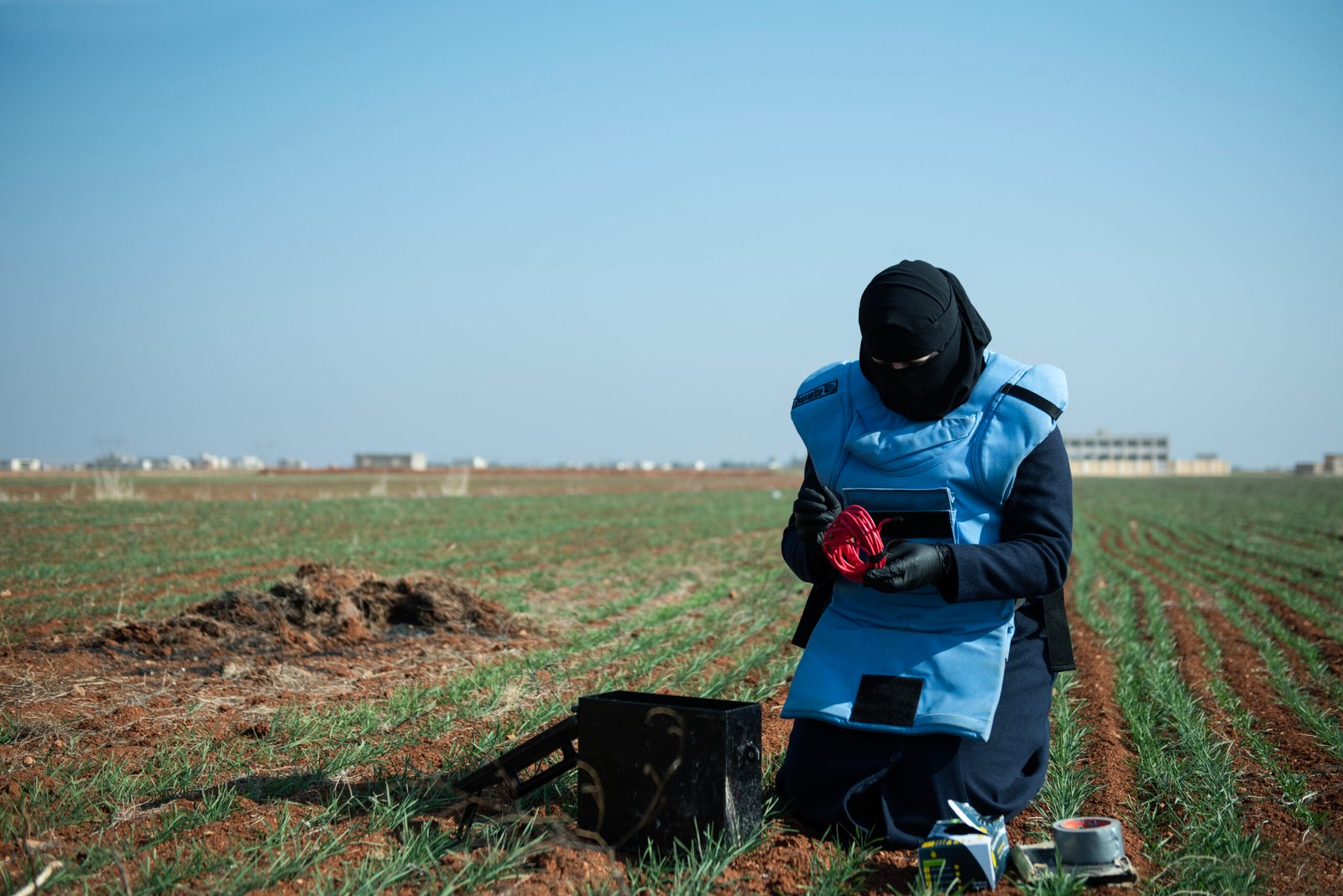
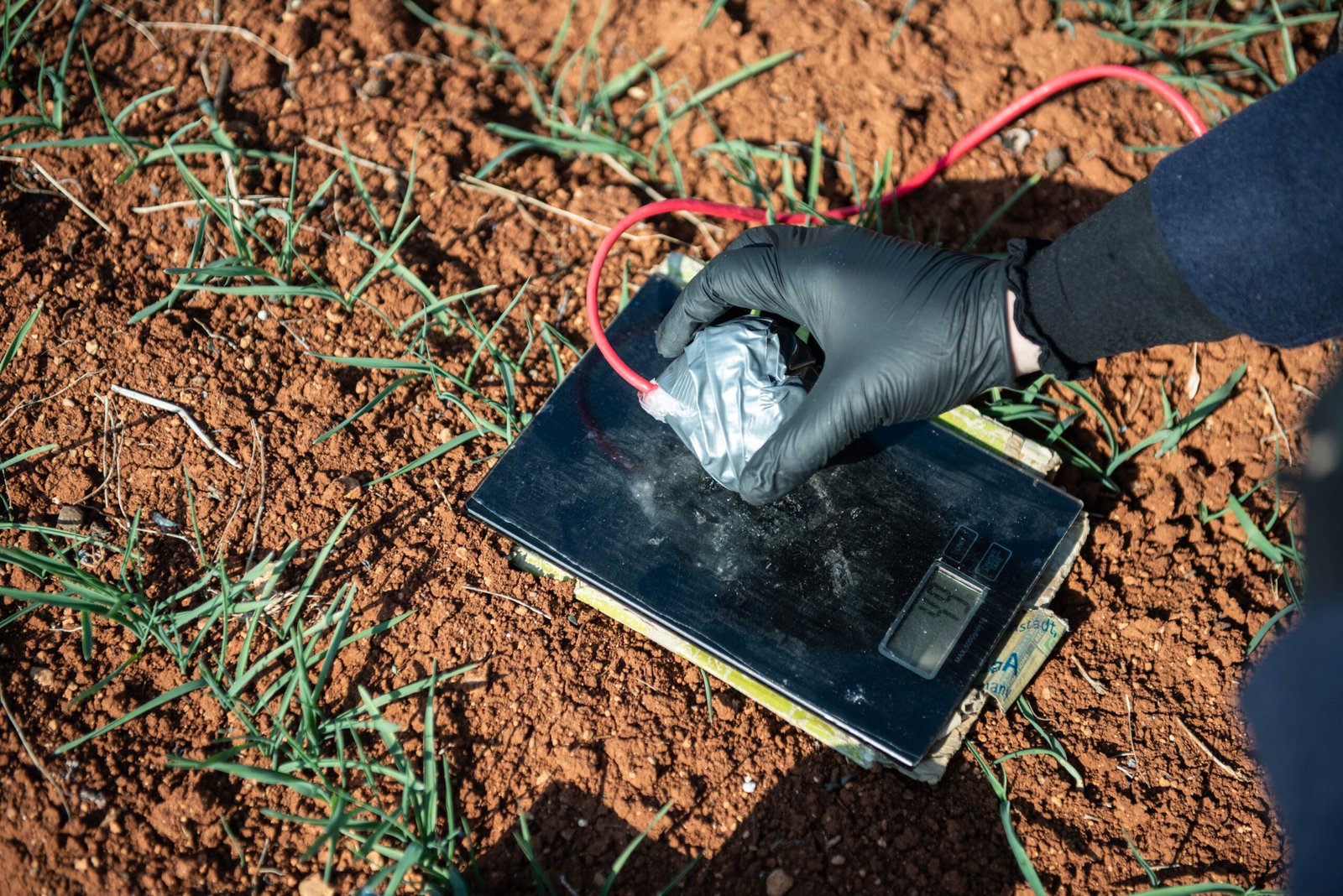
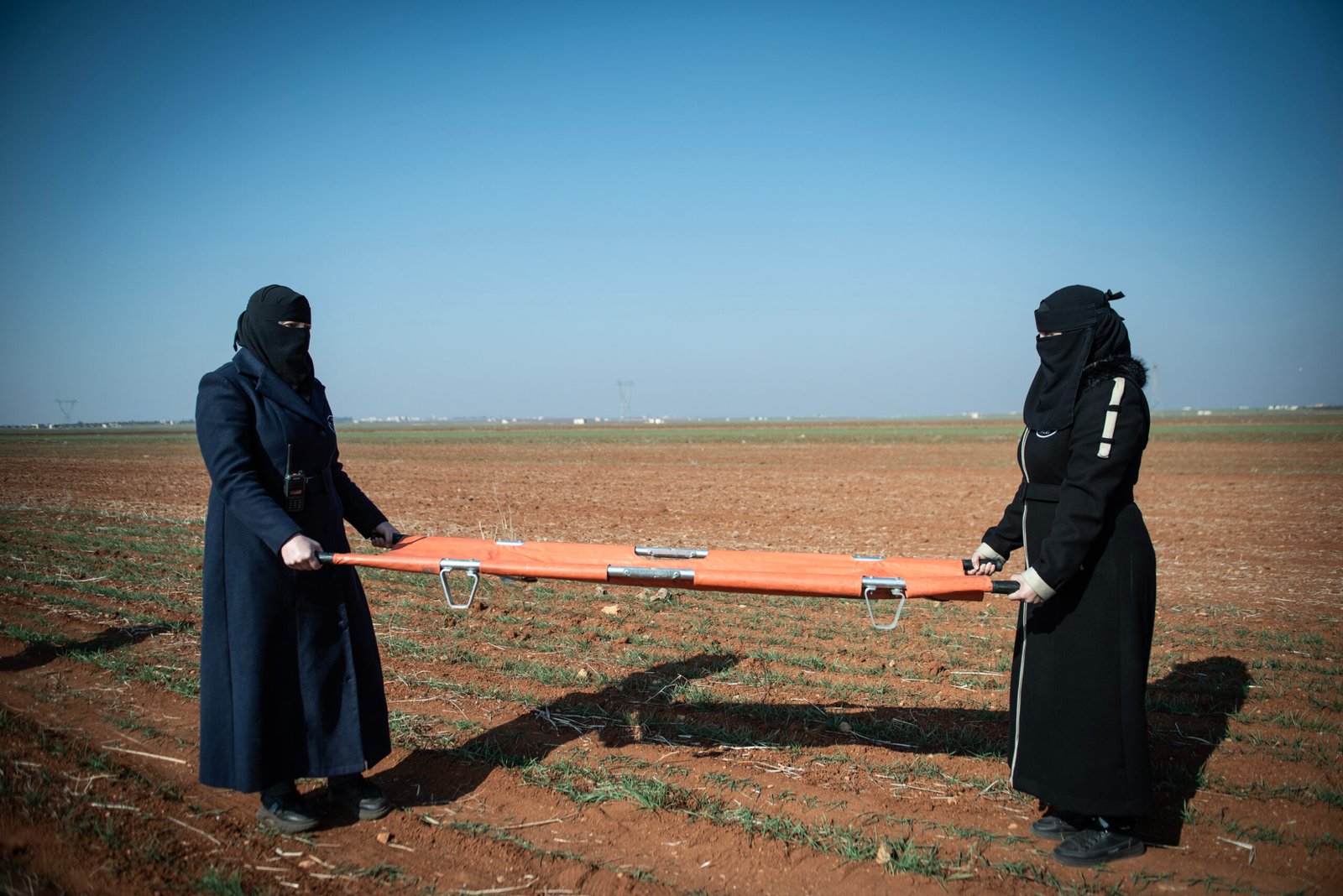
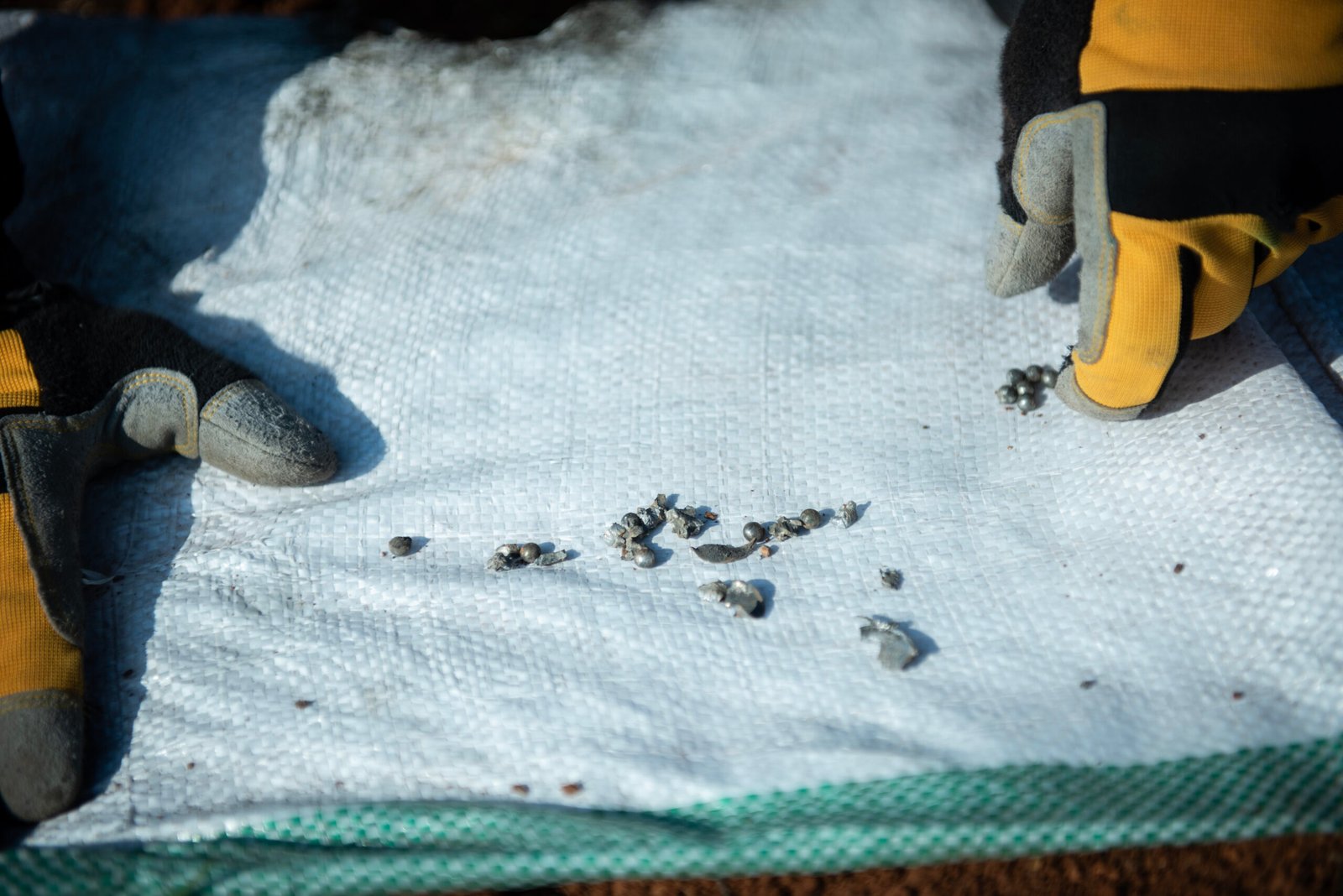
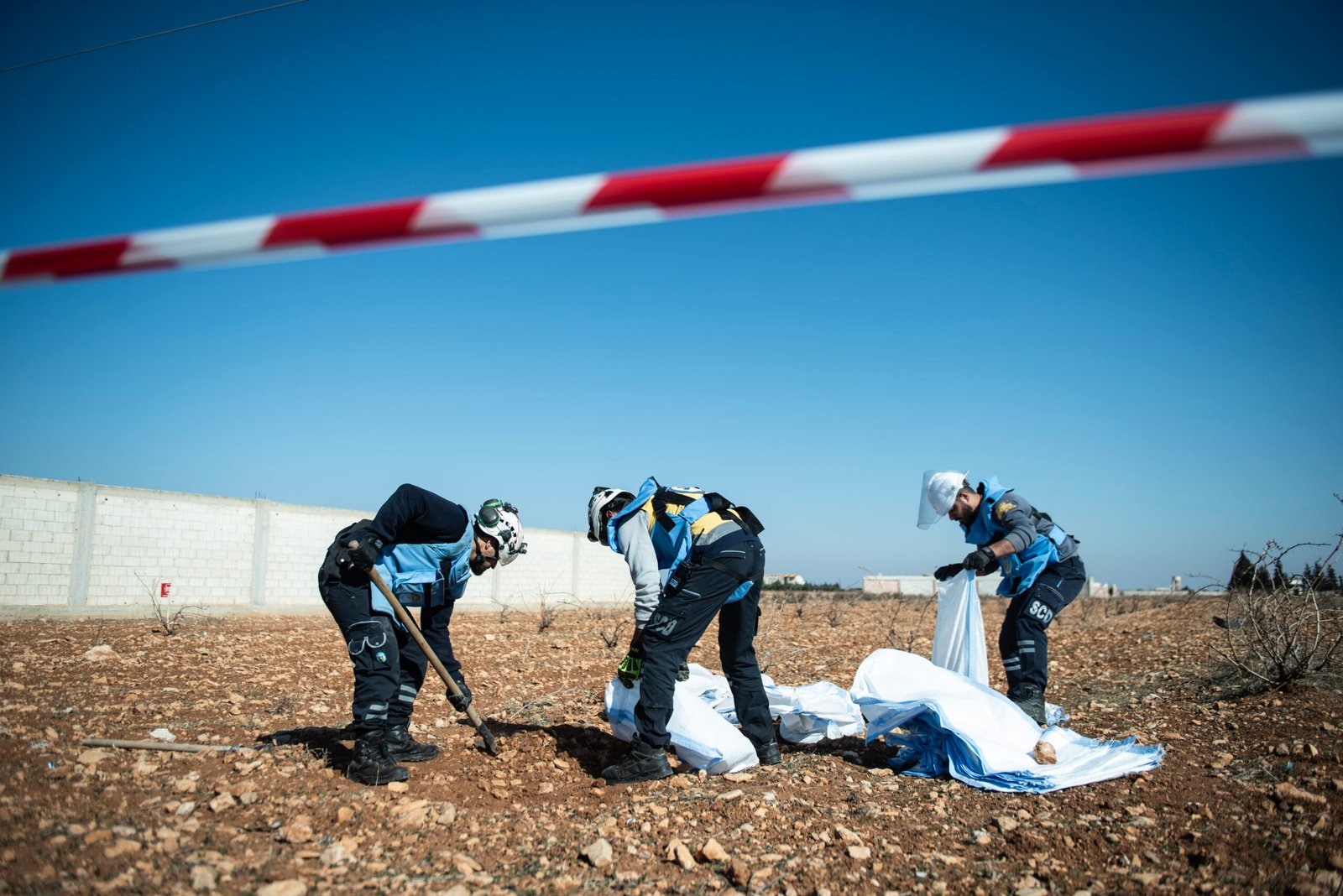
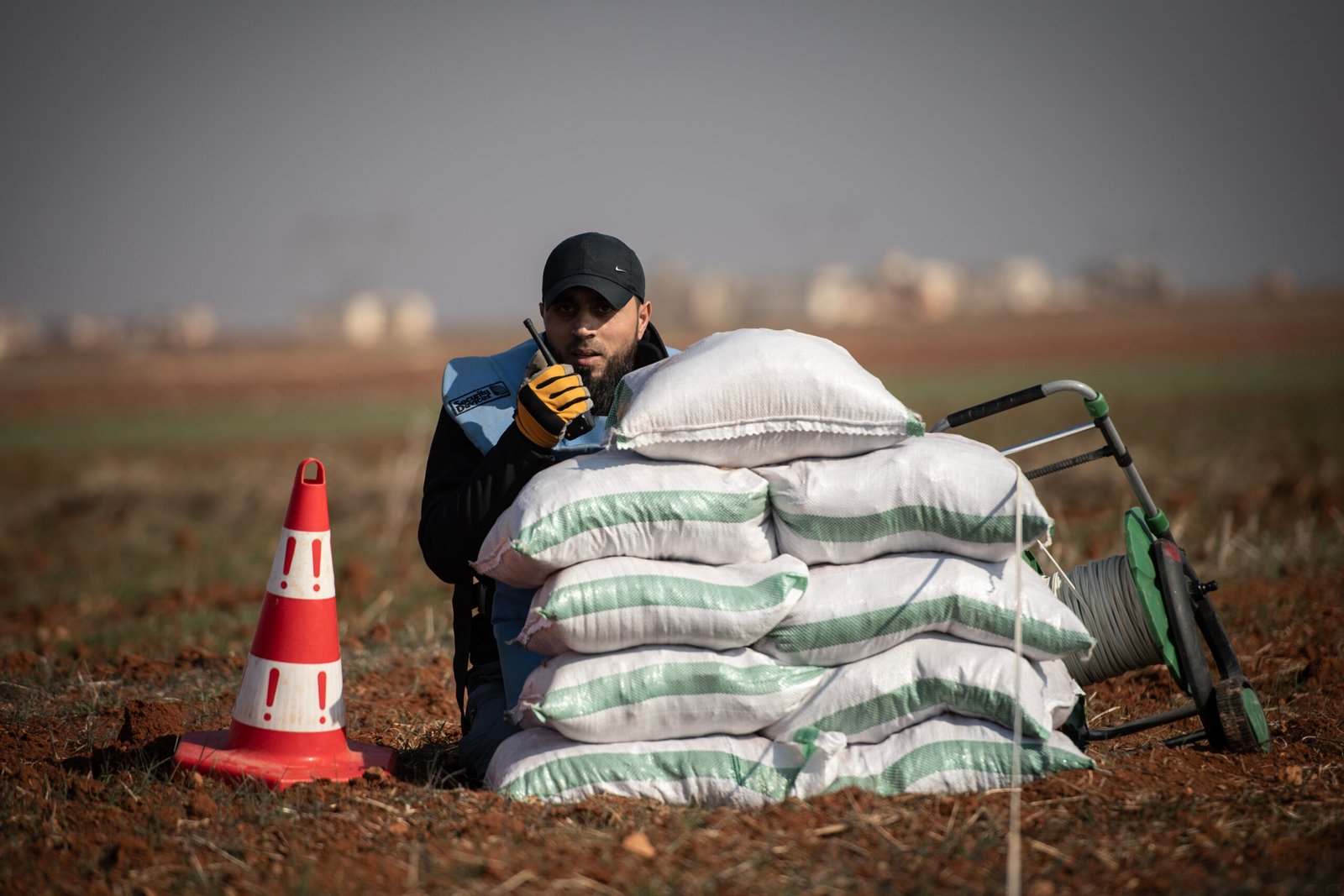
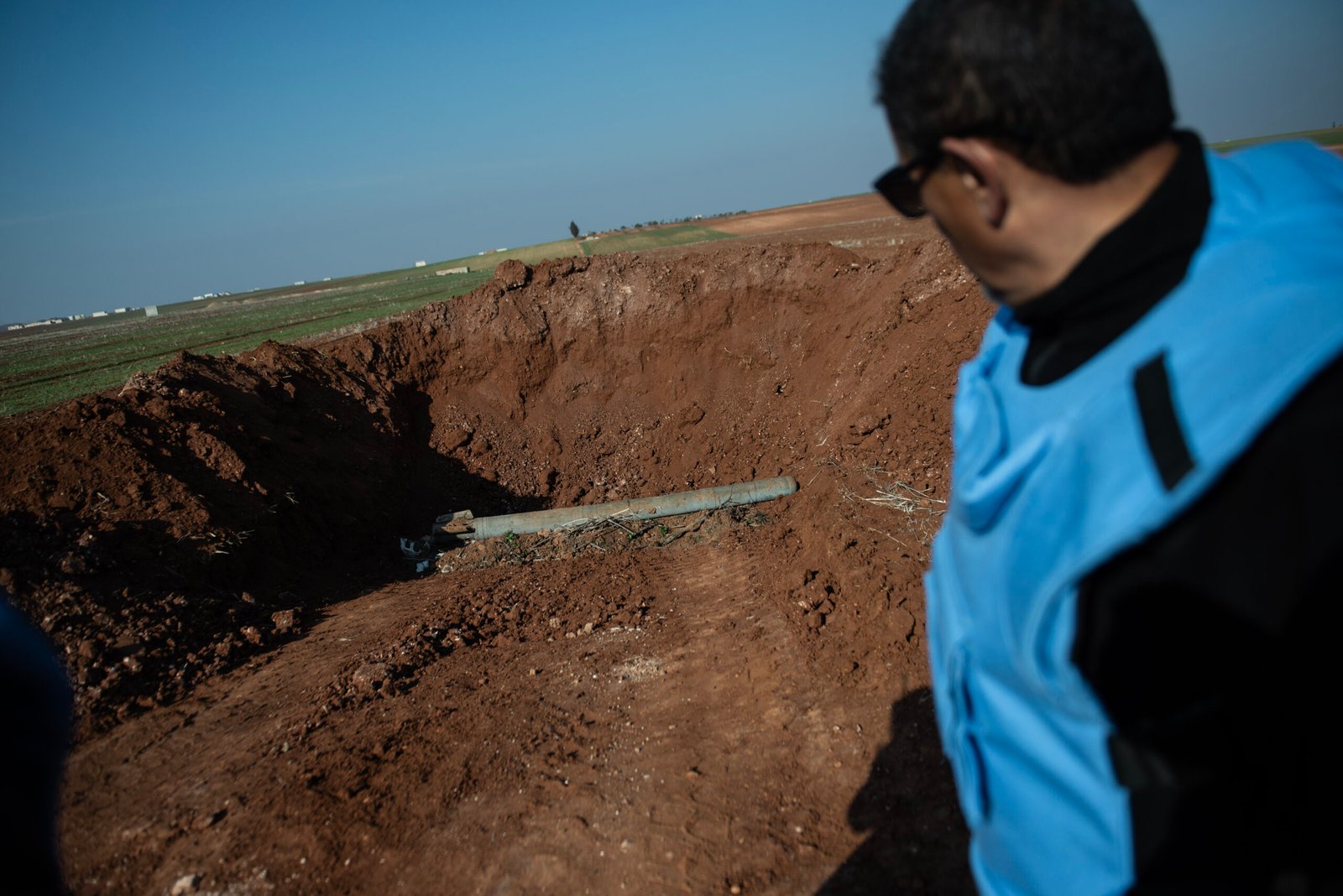
We accompanied demining teams from The HALO Trust and the White Helmets as they responded to emergency calls from farmers discovering explosives in their fields and families returning to villages that had never been cleared. One operation began with what looked like an ordinary metal ball lying in freshly ploughed farmland. It was, in fact, a live cluster munition. In another village, a three-metre-long rocket had become lodged between two homes. Every mission required hours of careful planning, evacuating civilians before controlled explosions could safely destroy the weapons.
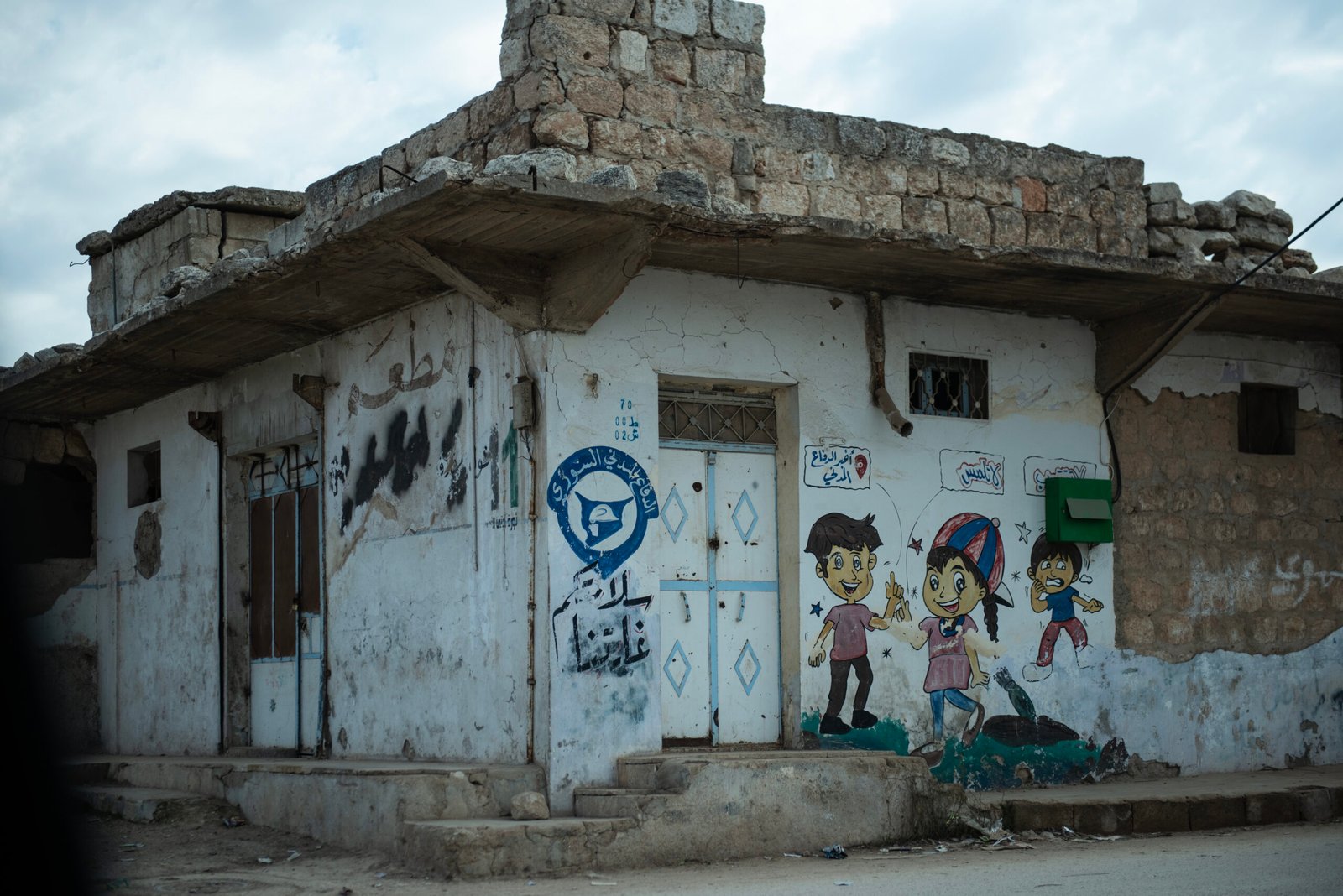
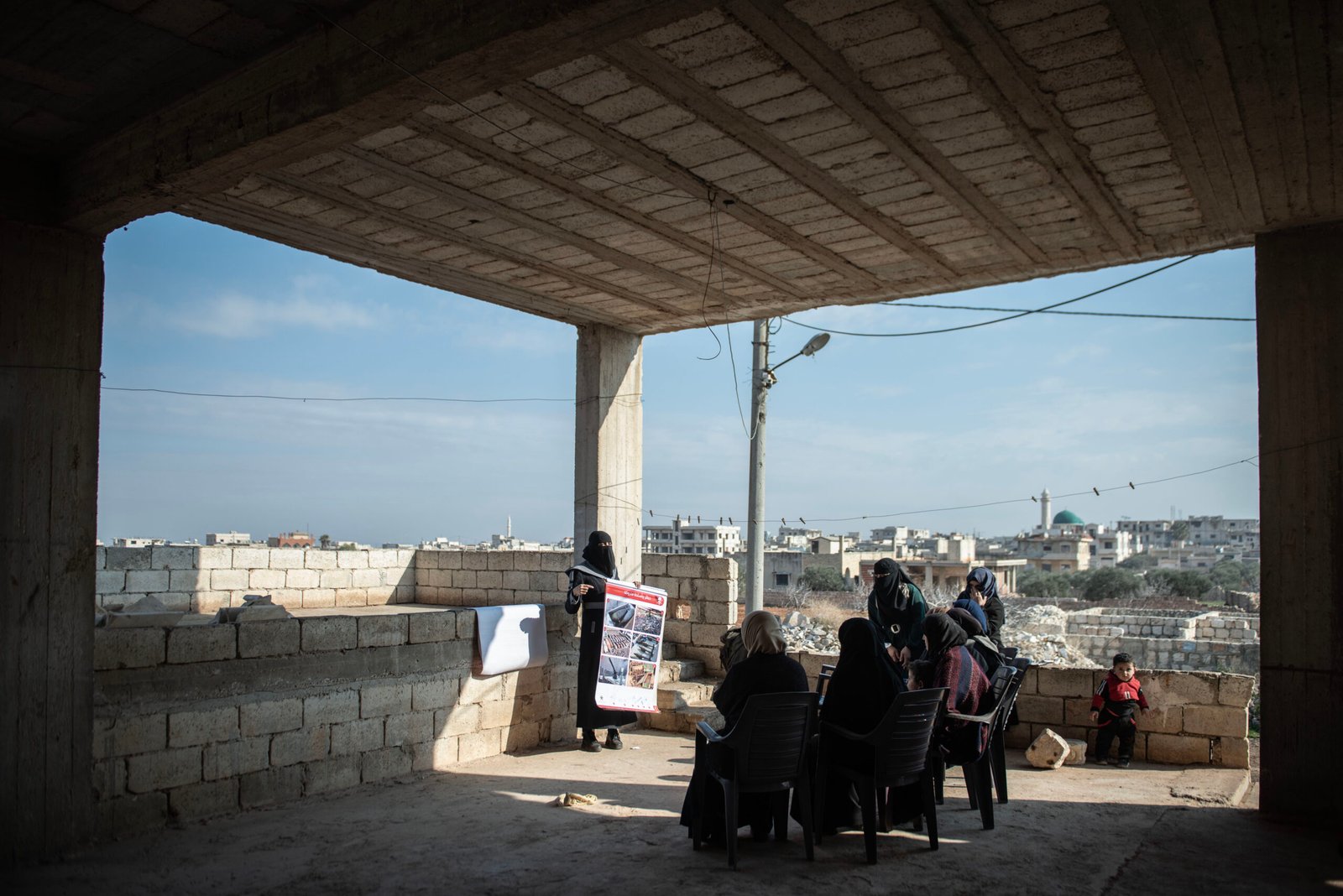
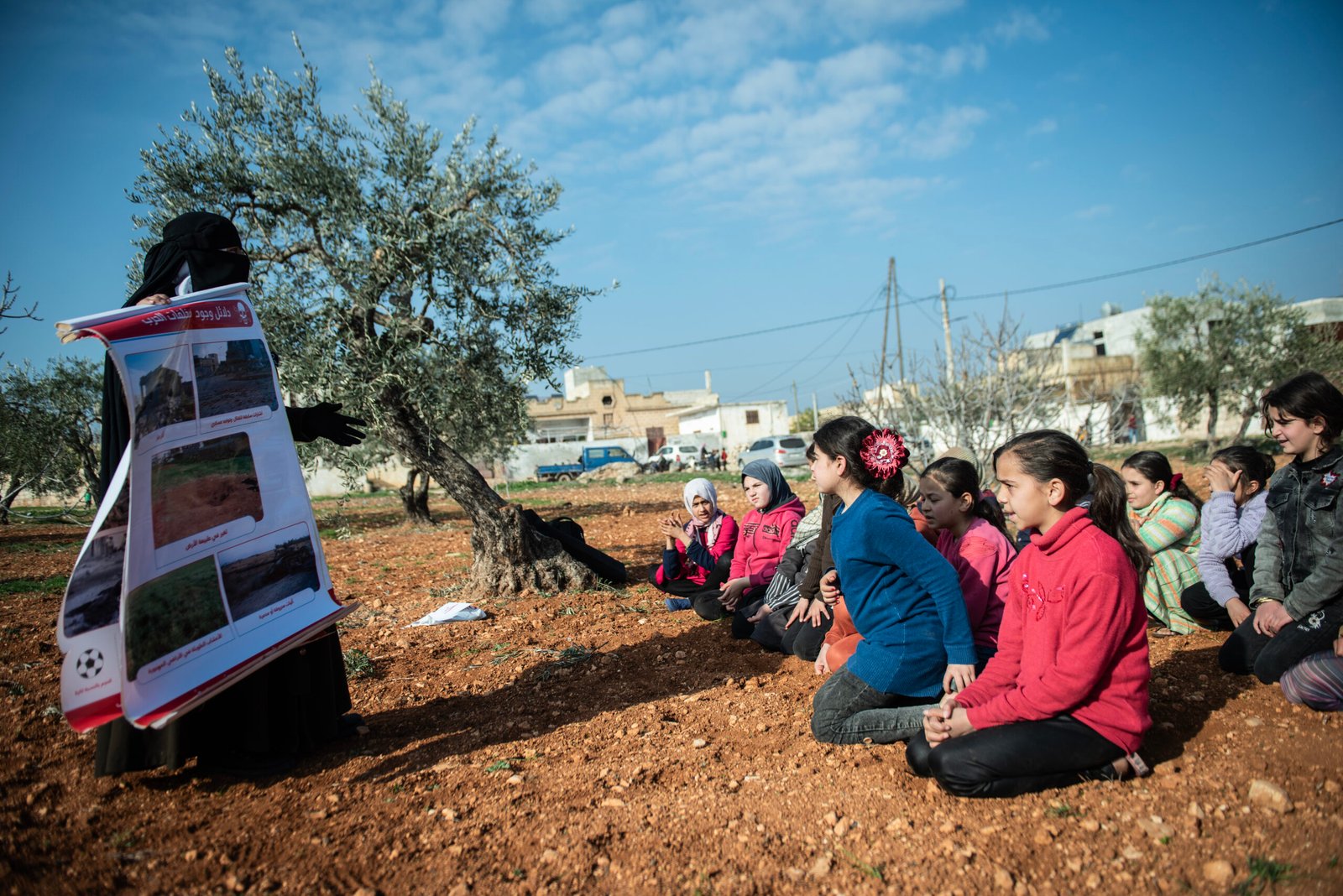
What struck me most was the determination of the people doing this work. One deminer had lost a leg while clearing explosives years earlier, yet returned with a prosthetic limb to continue protecting others. Alongside the clearance teams, mine-risk educators travelled from village to village, teaching children and families how to recognize unexploded ordnance before it claimed more lives.
Today, Syria’s greatest obstacle is no longer the fighting itself, but its invisible legacy. Before homes can be rebuilt, farms cultivated, or families truly return, the war must first be removed from beneath their feet.