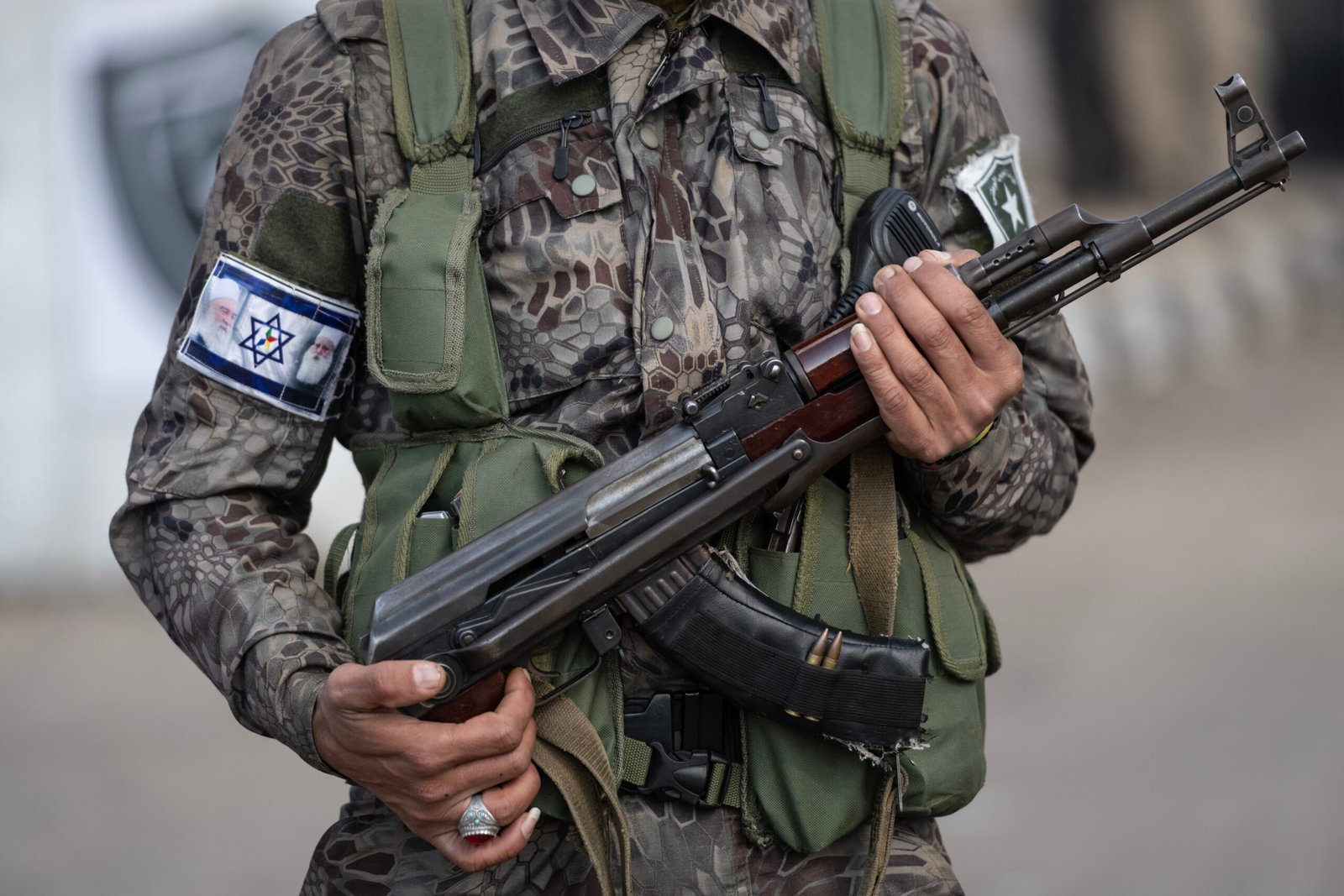
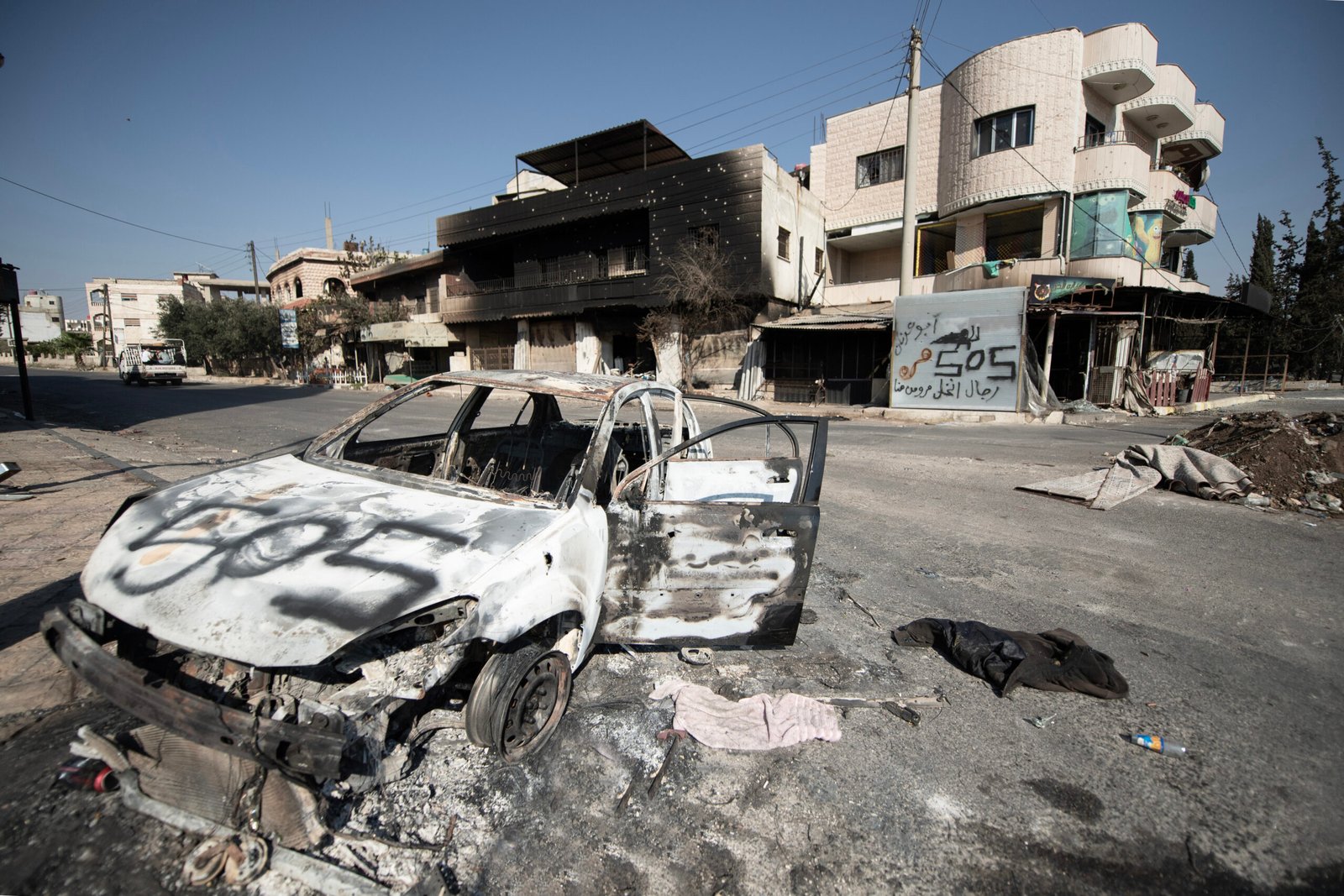
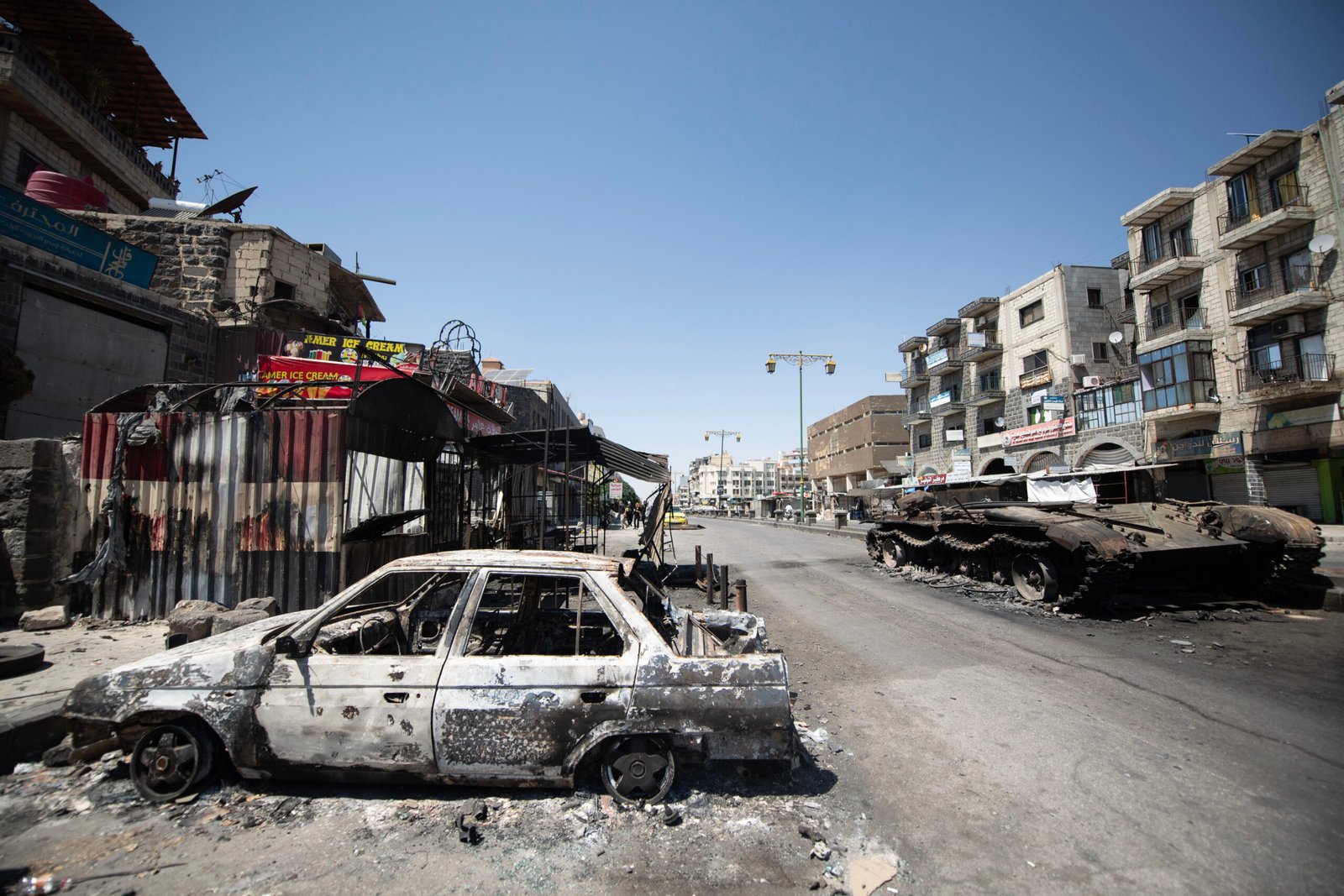
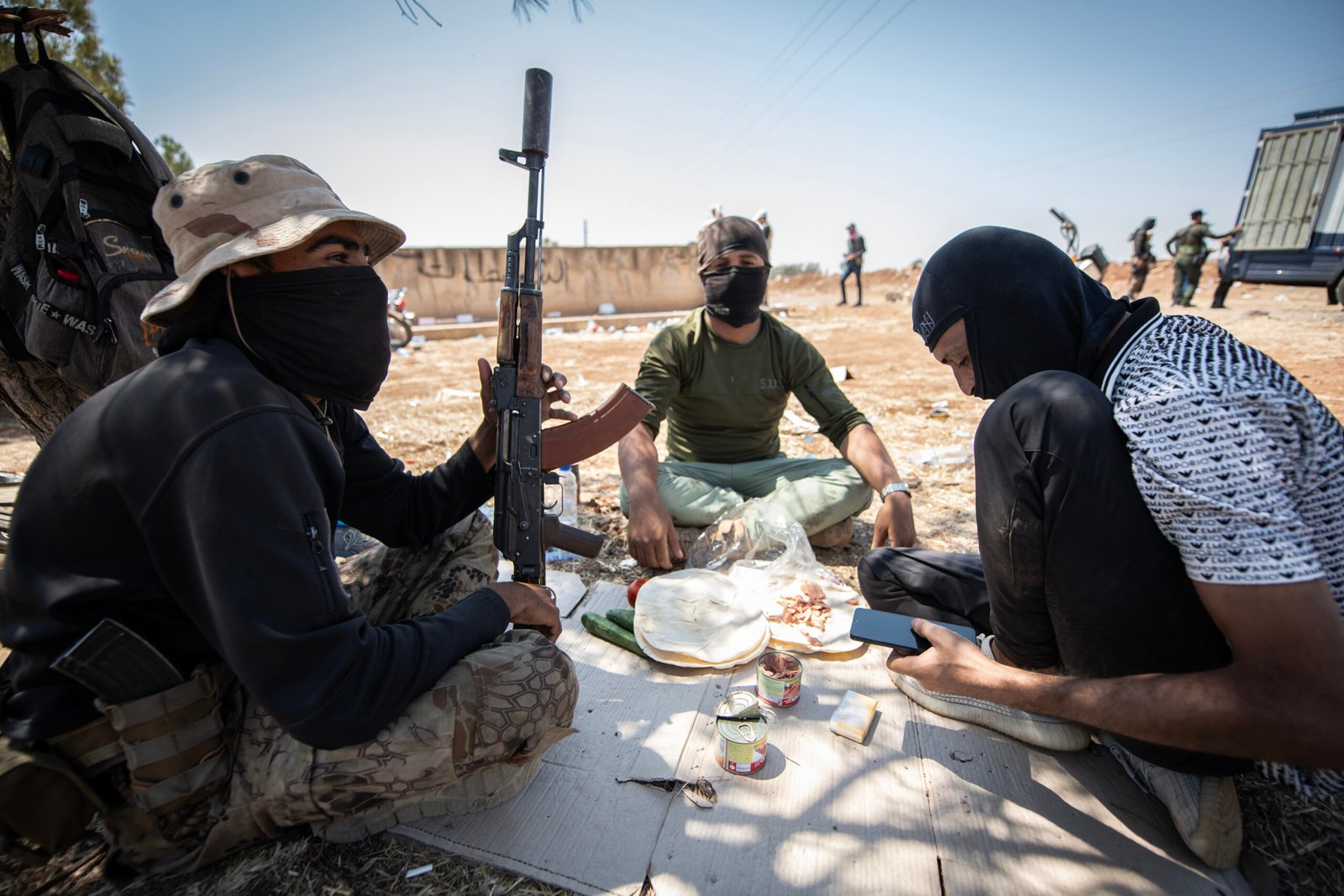
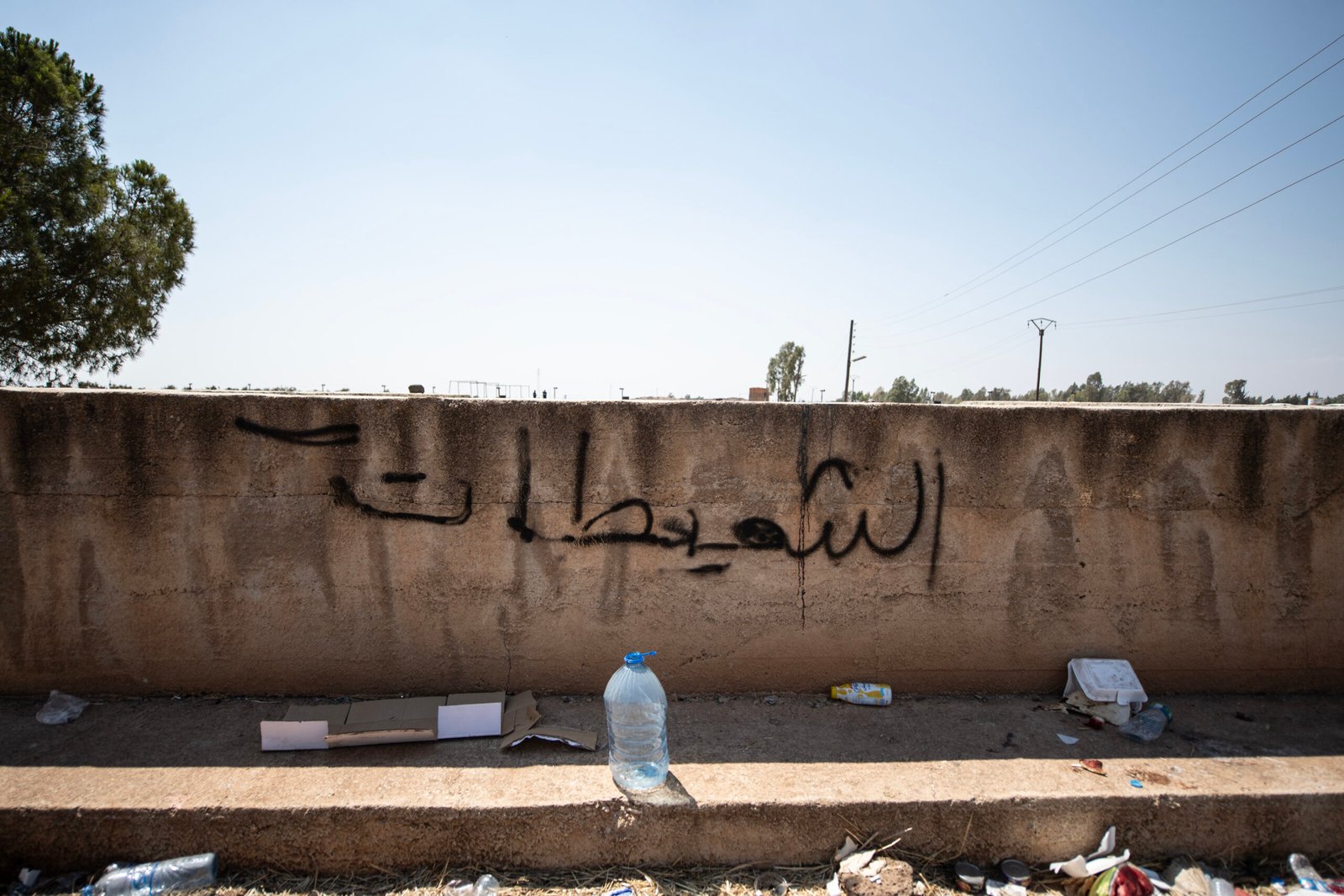
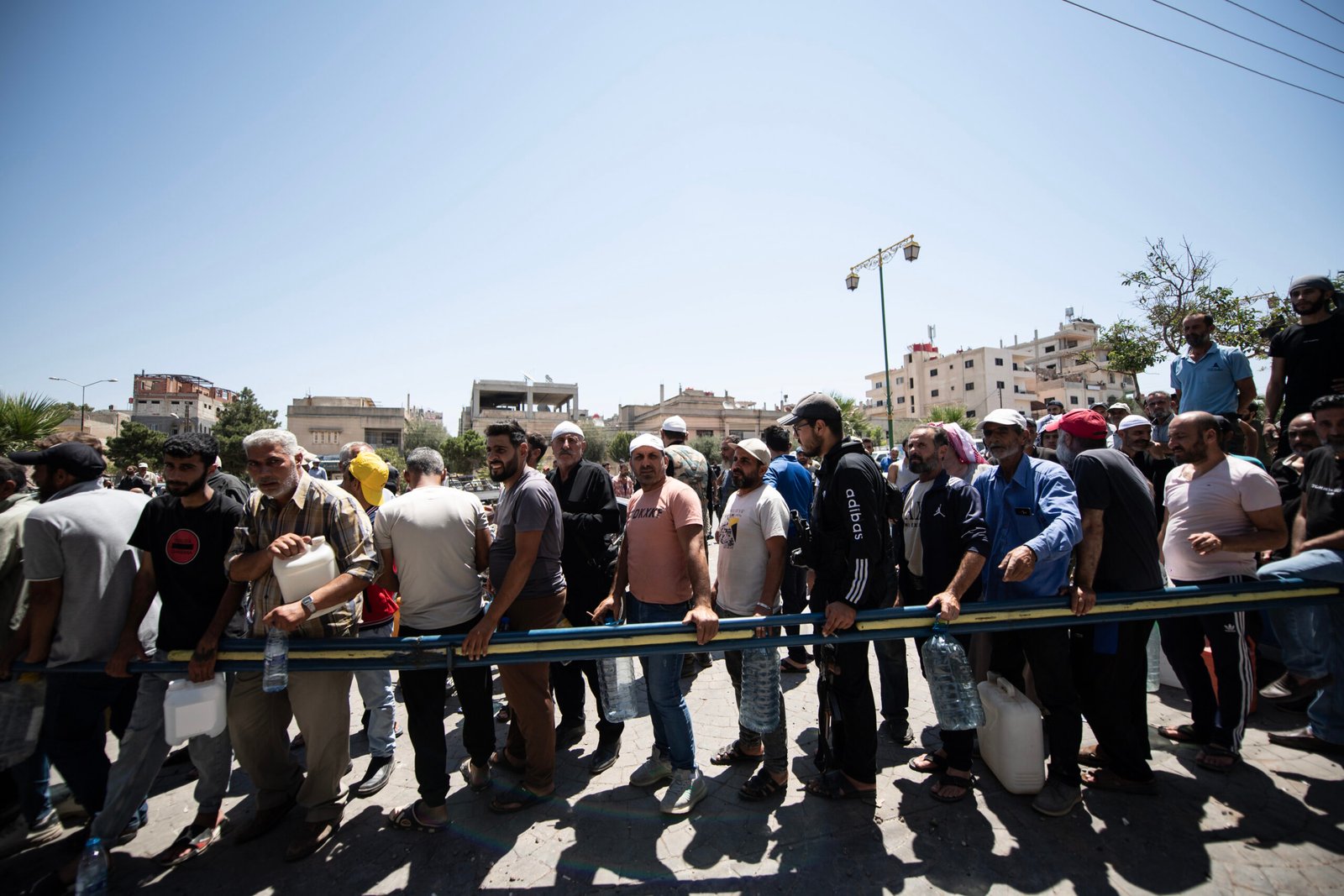
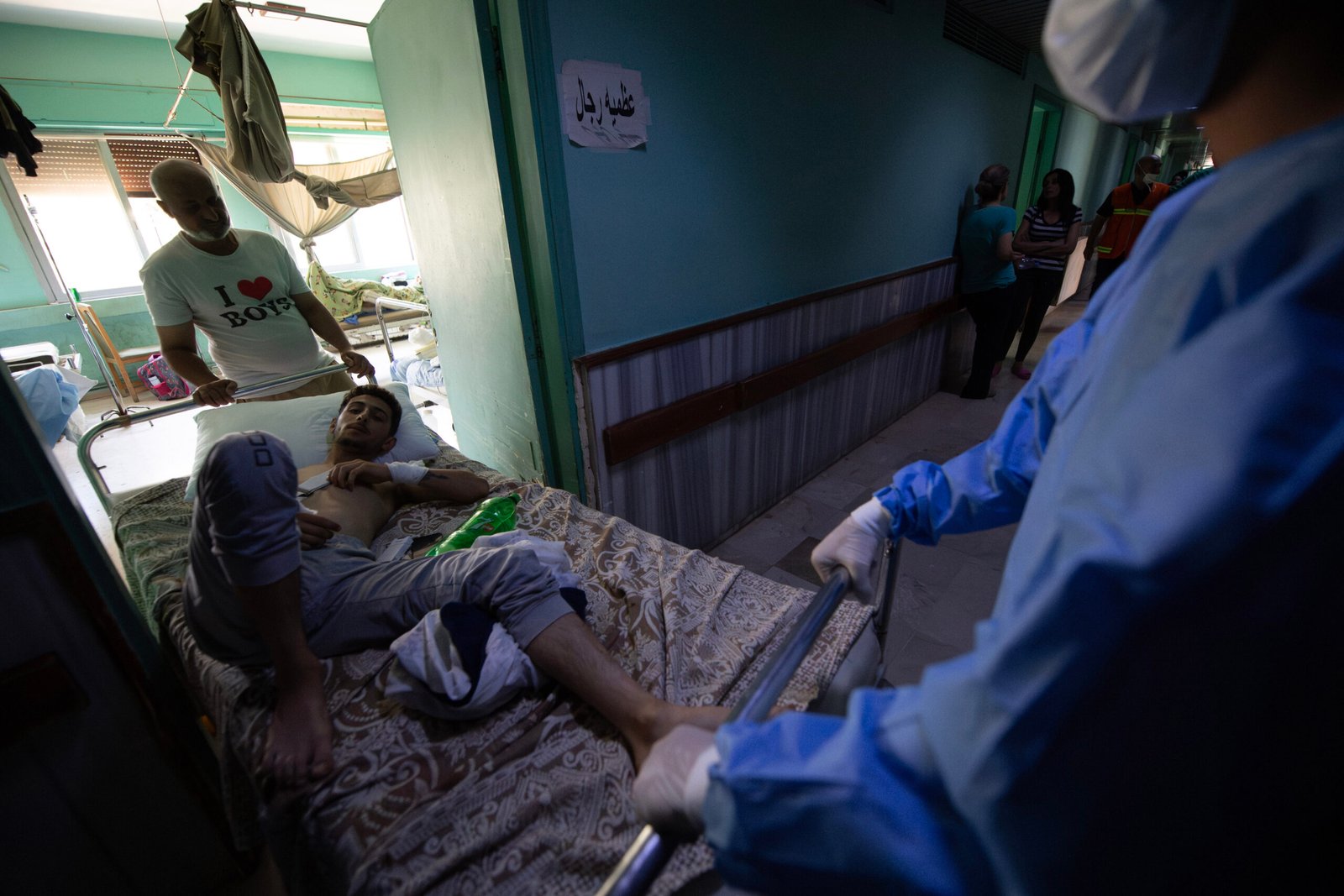
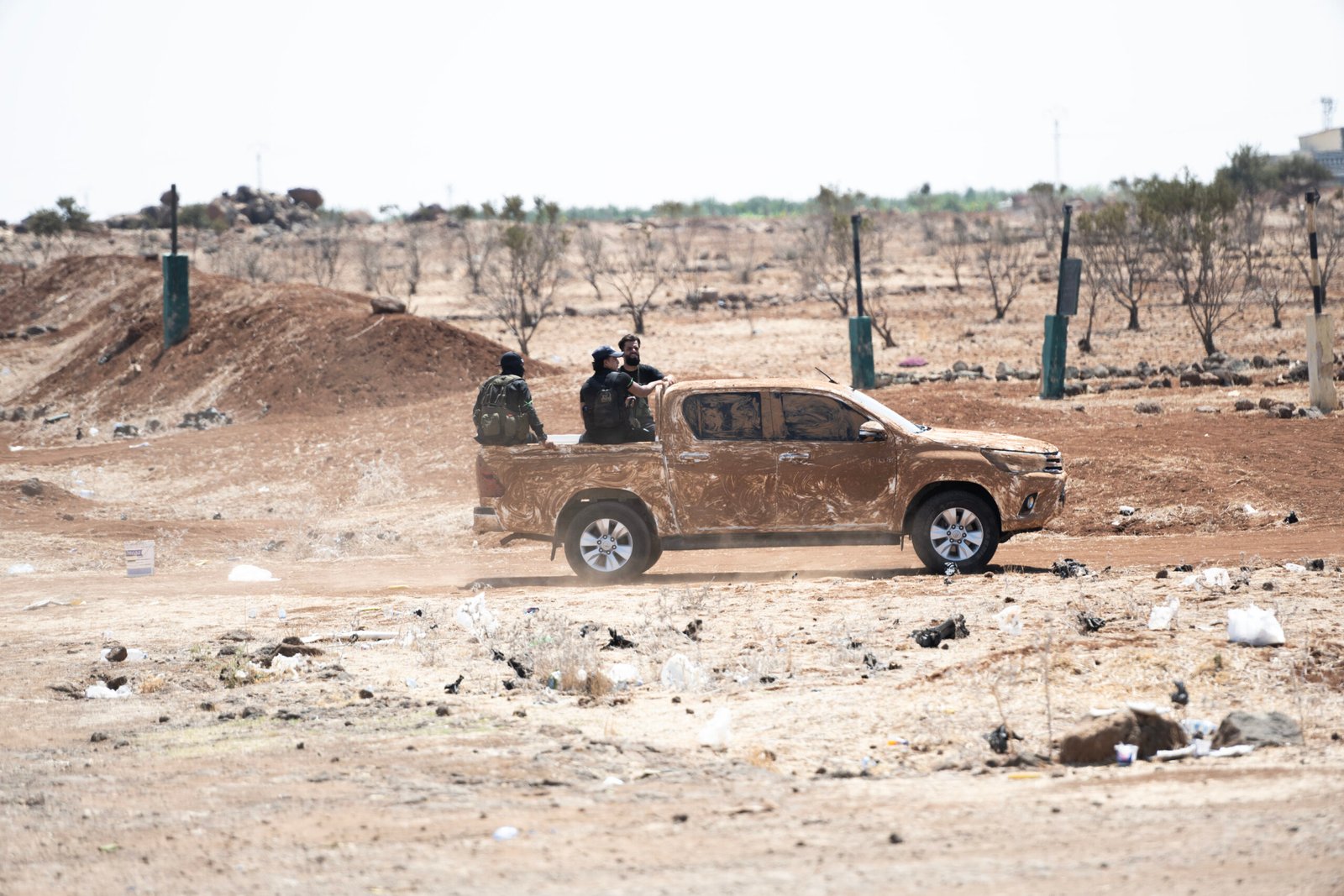
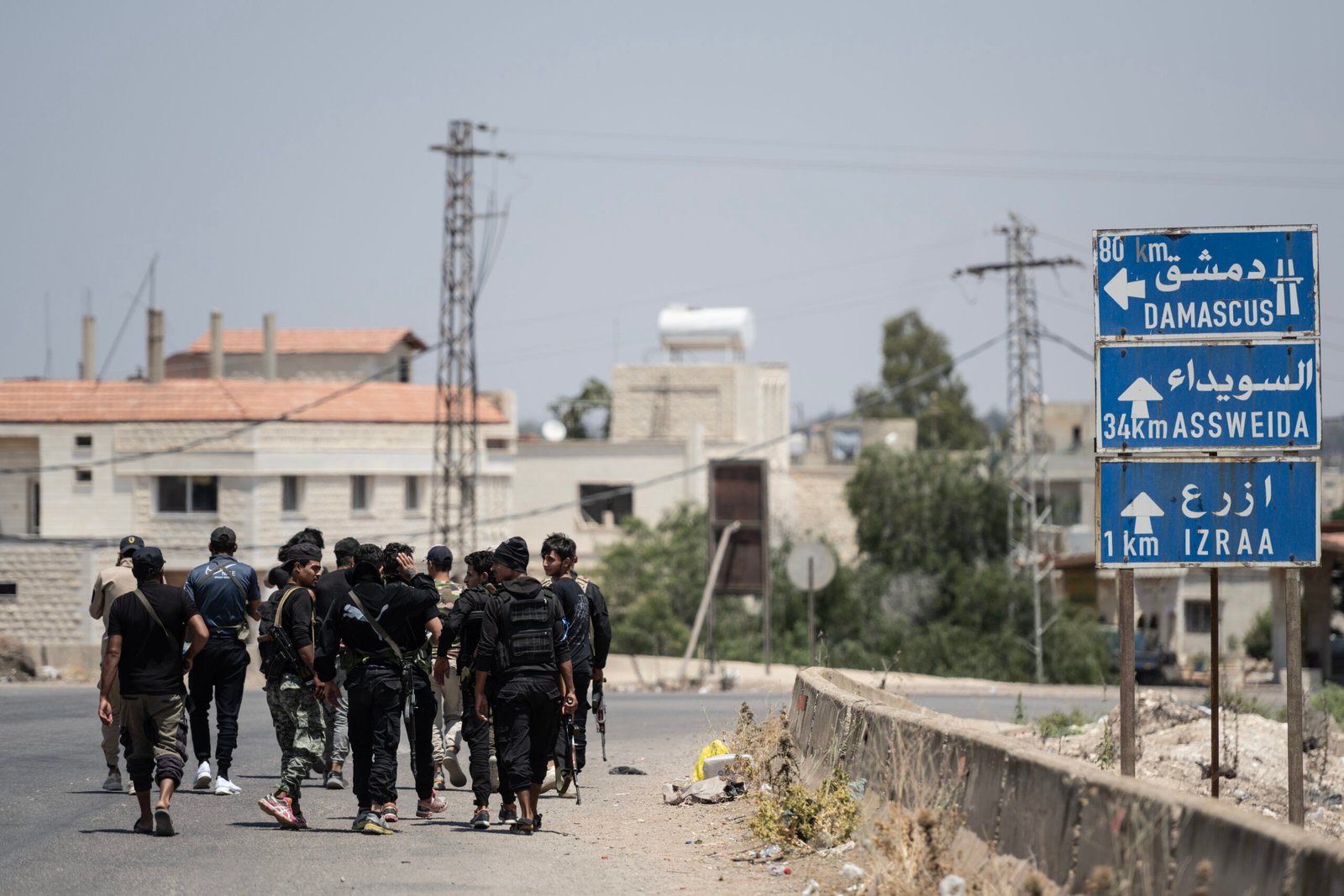
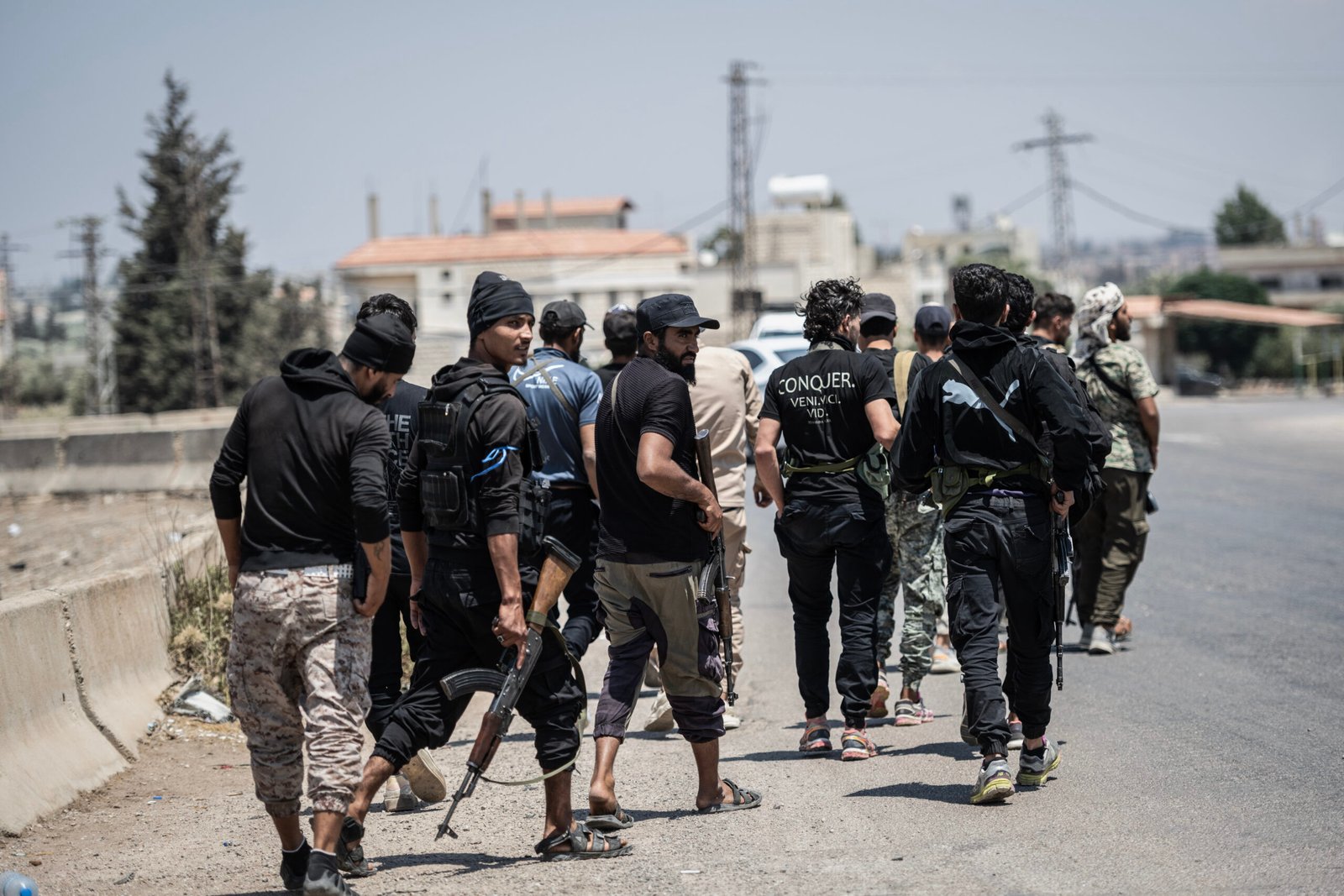
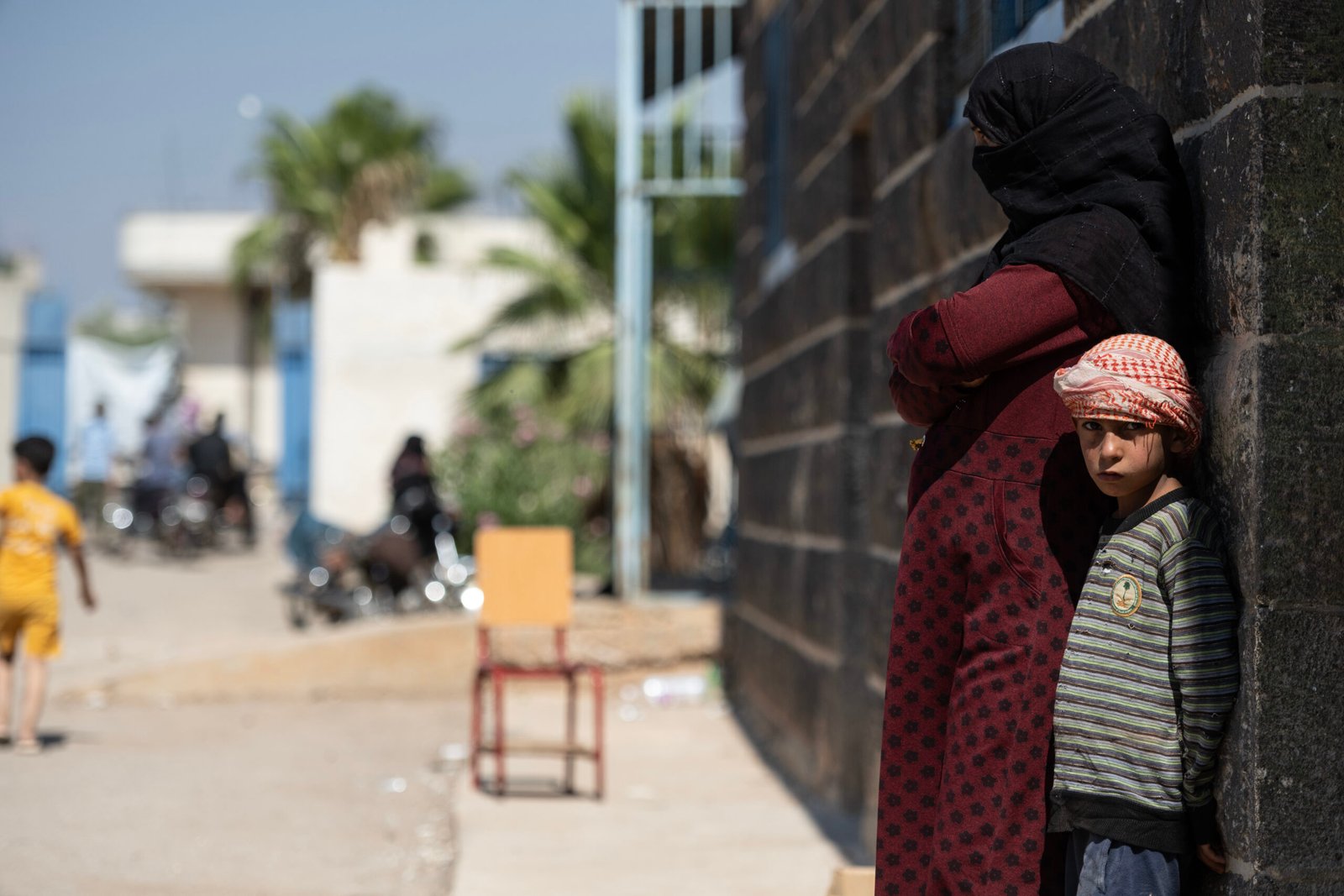
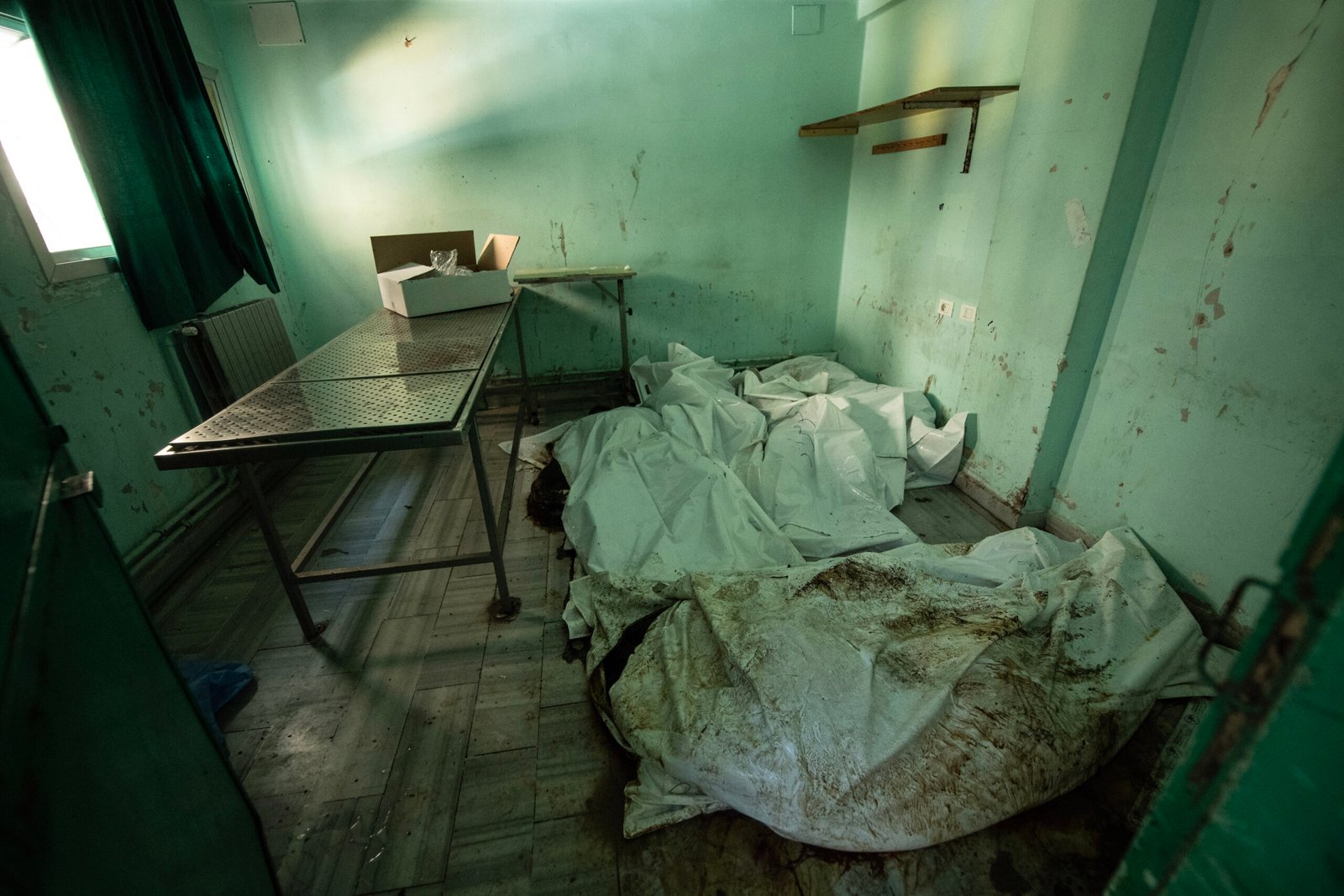
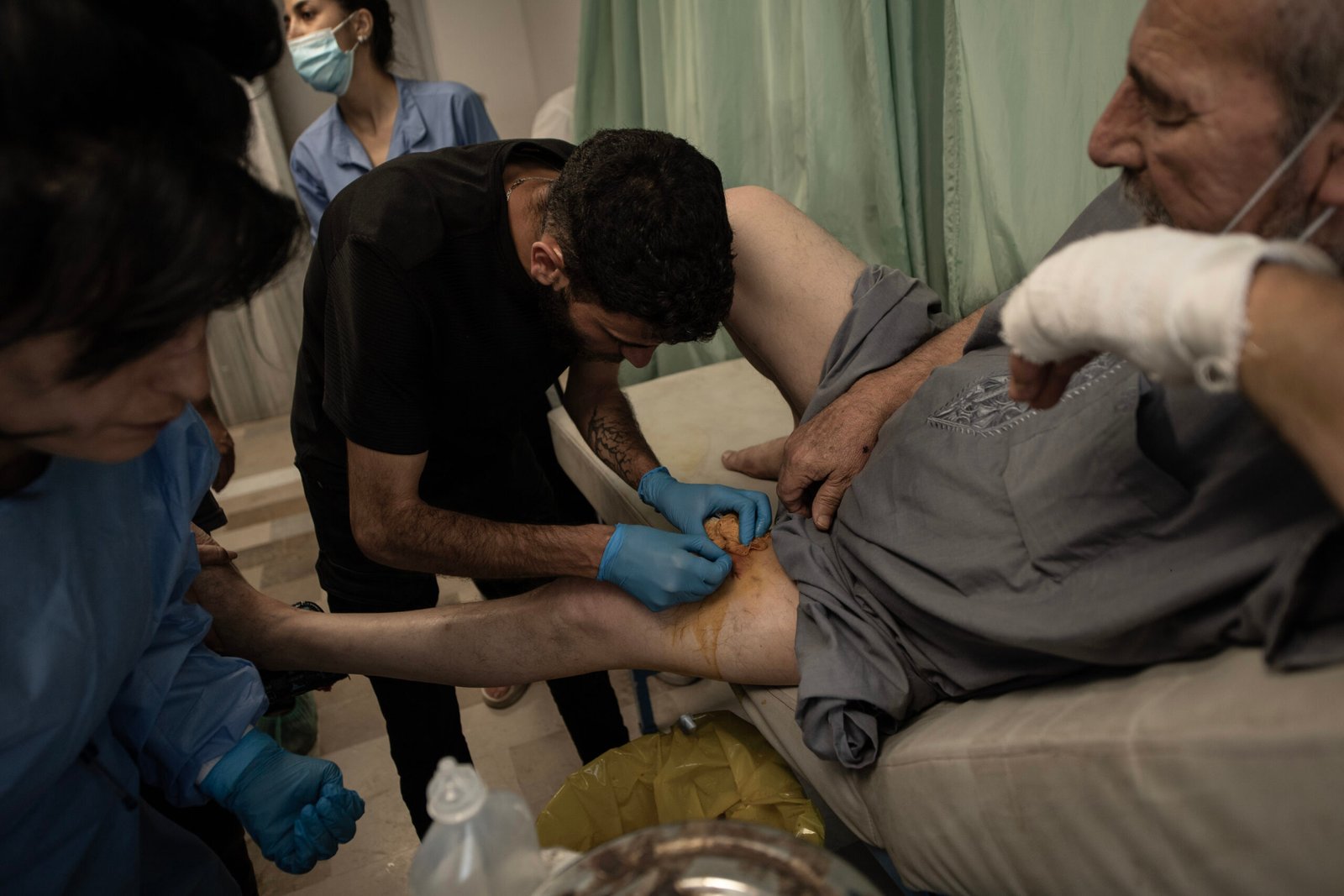
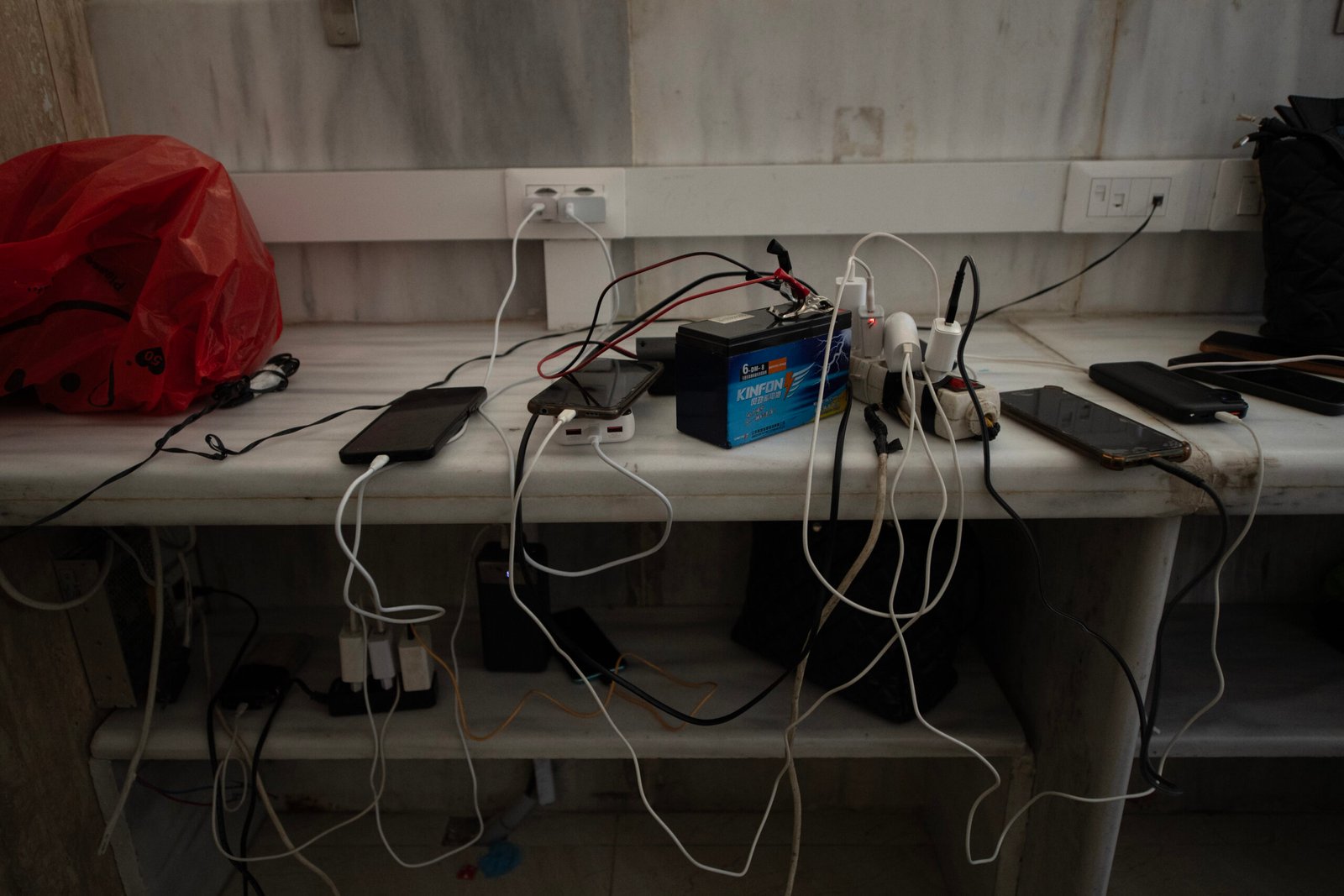
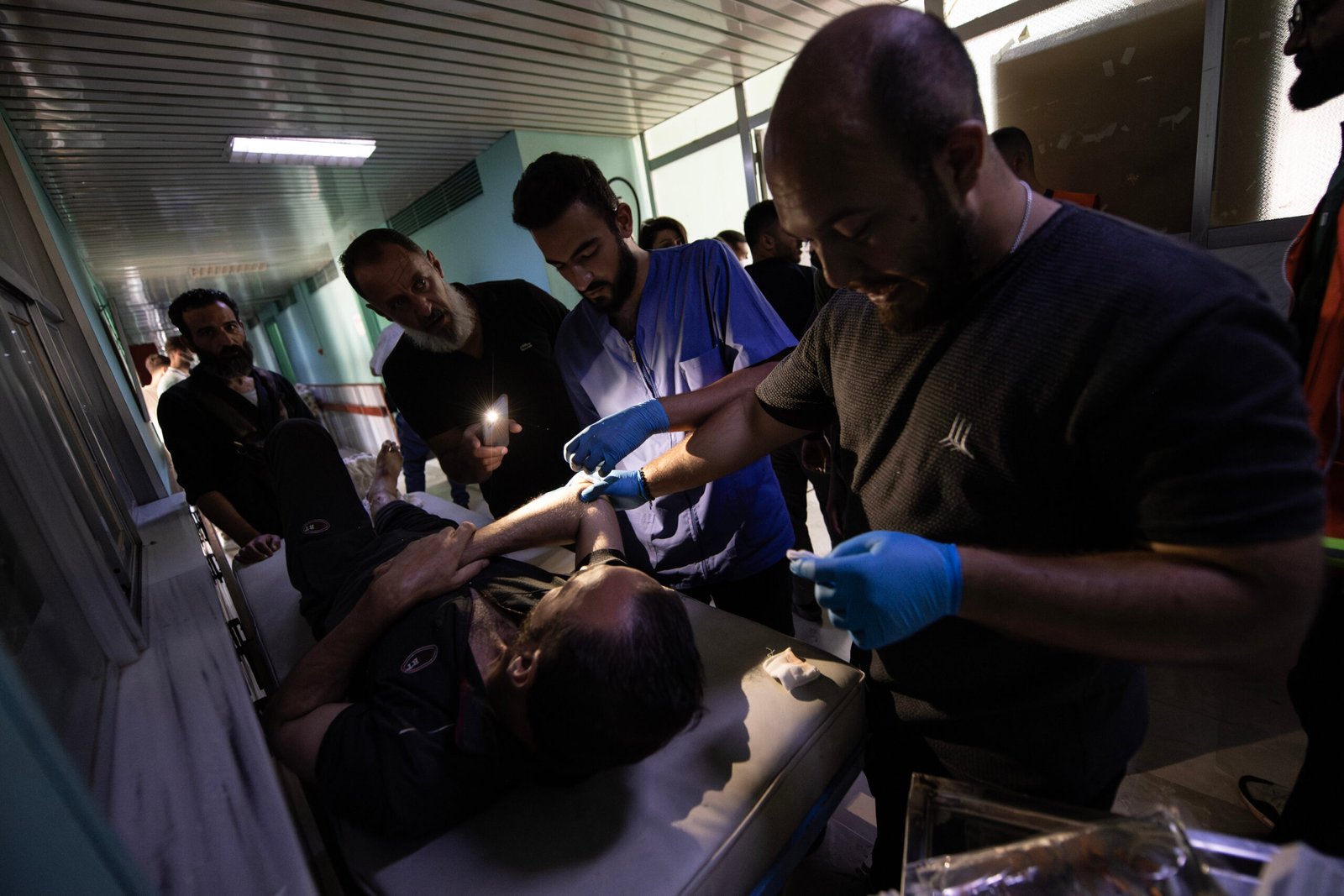
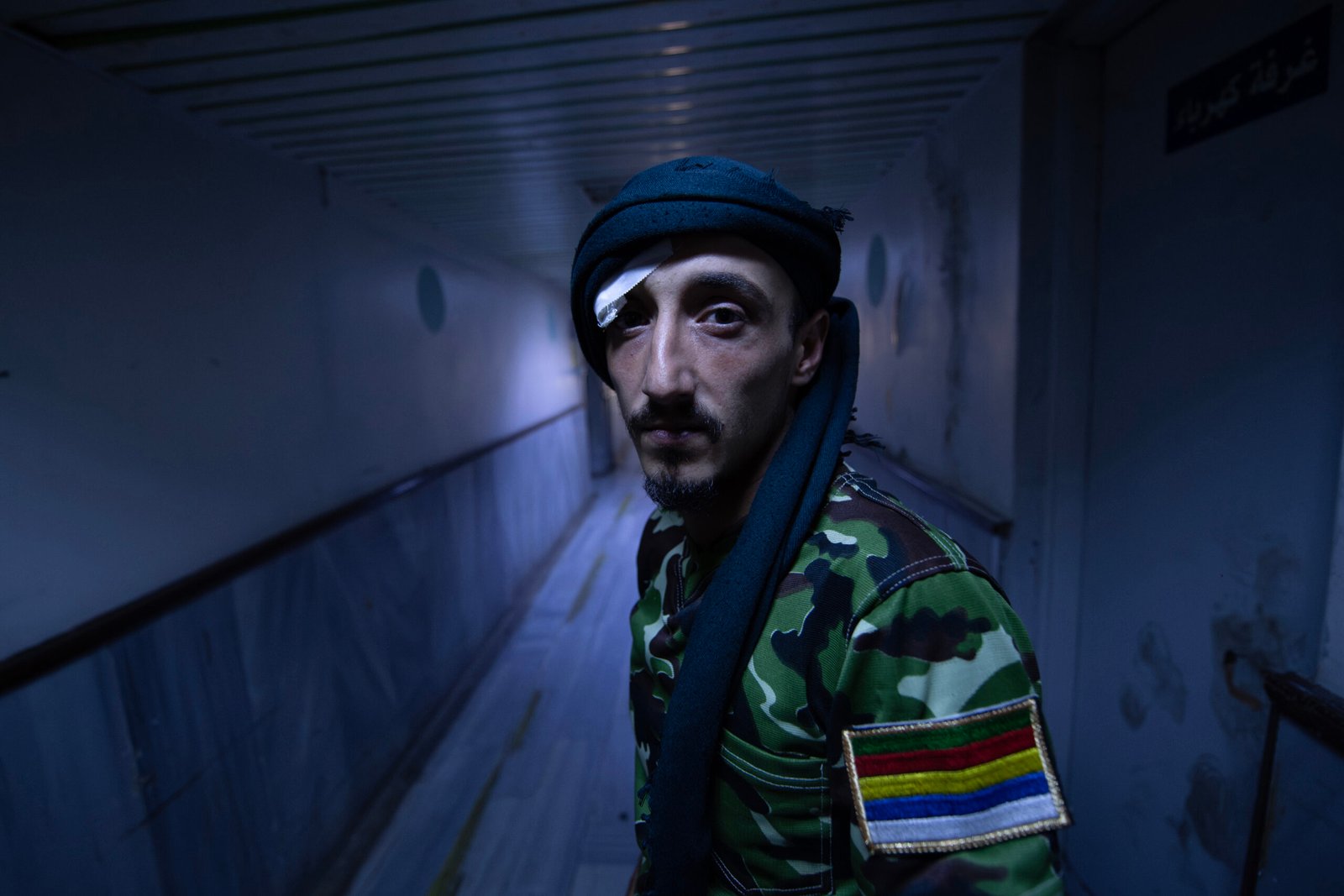
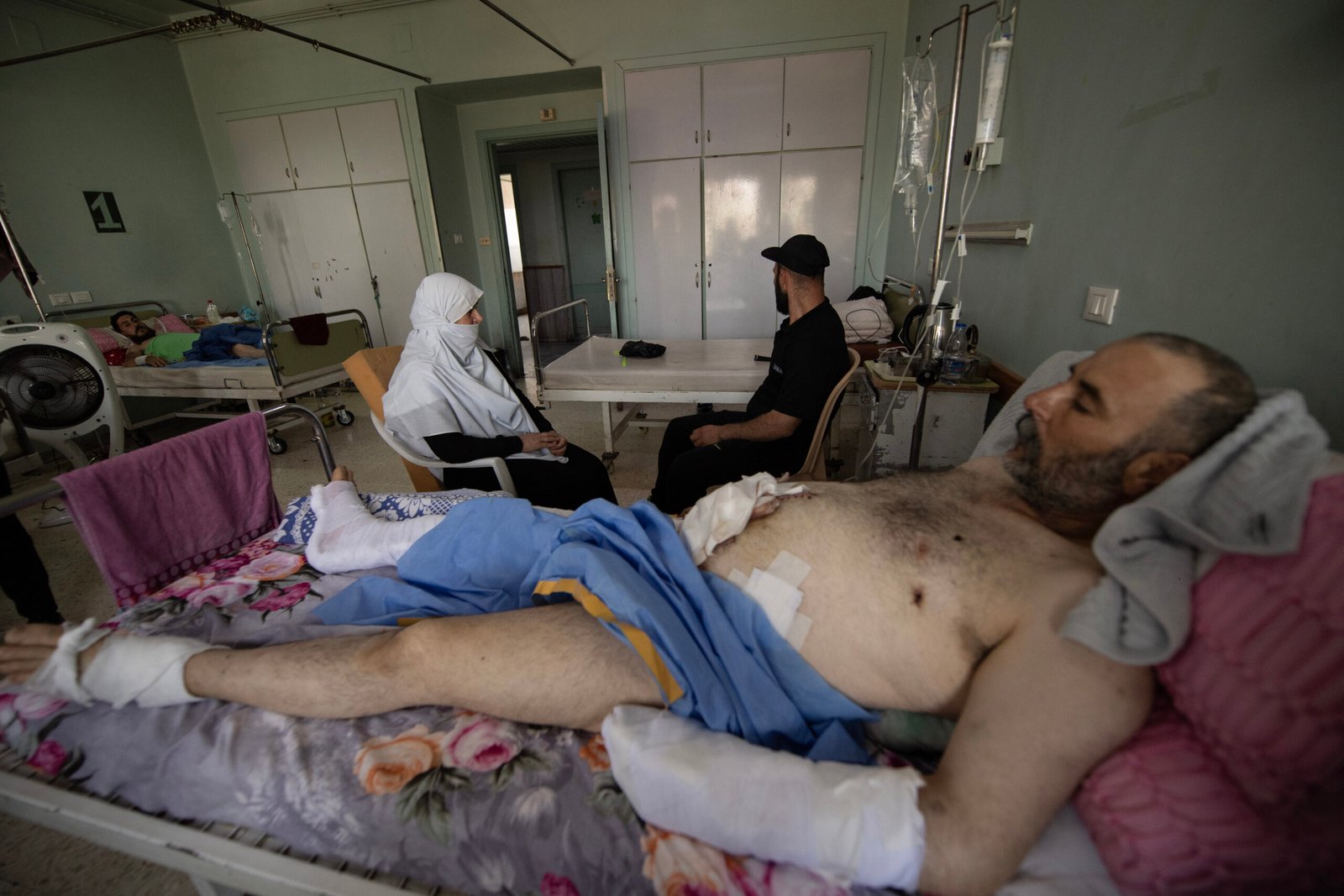
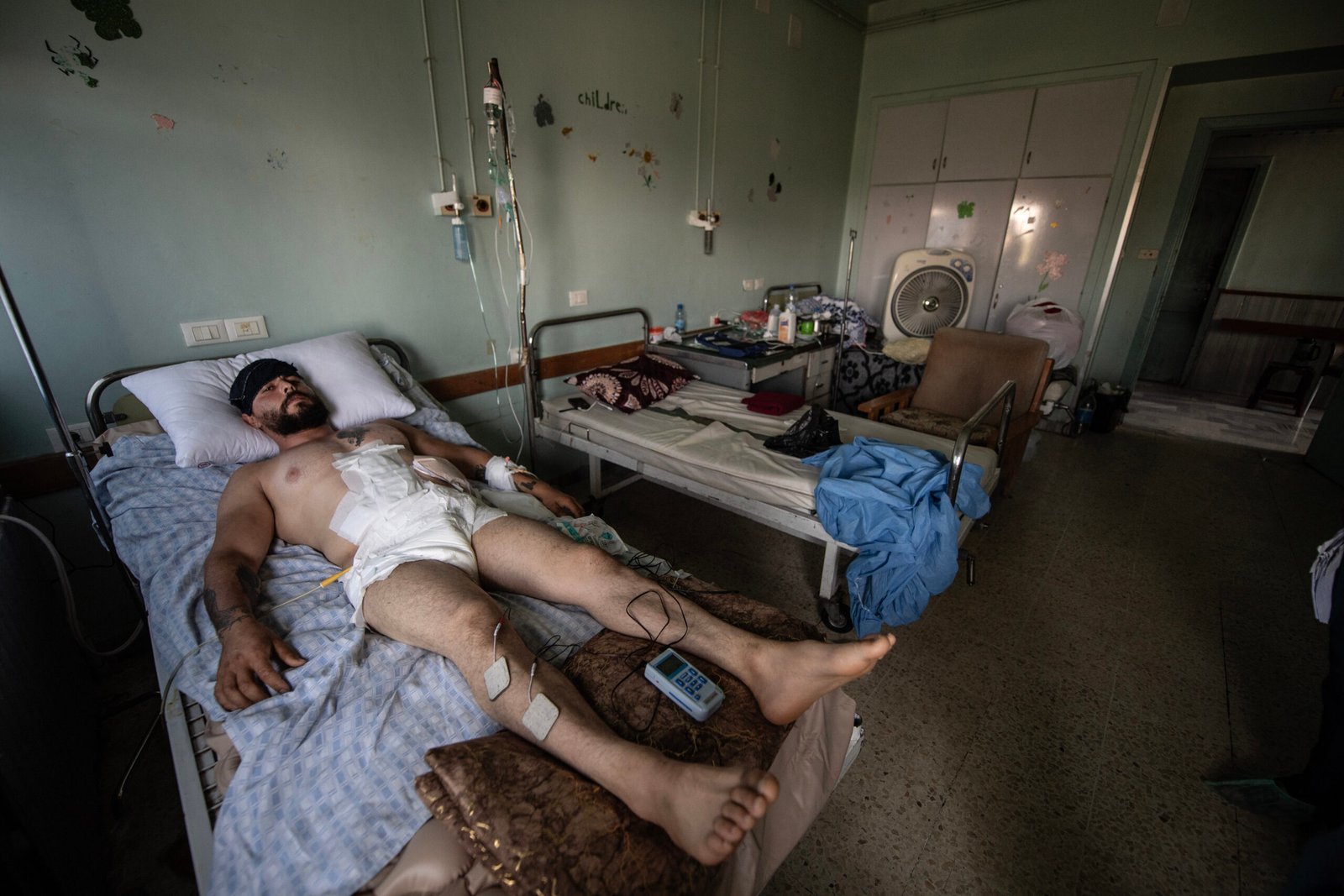
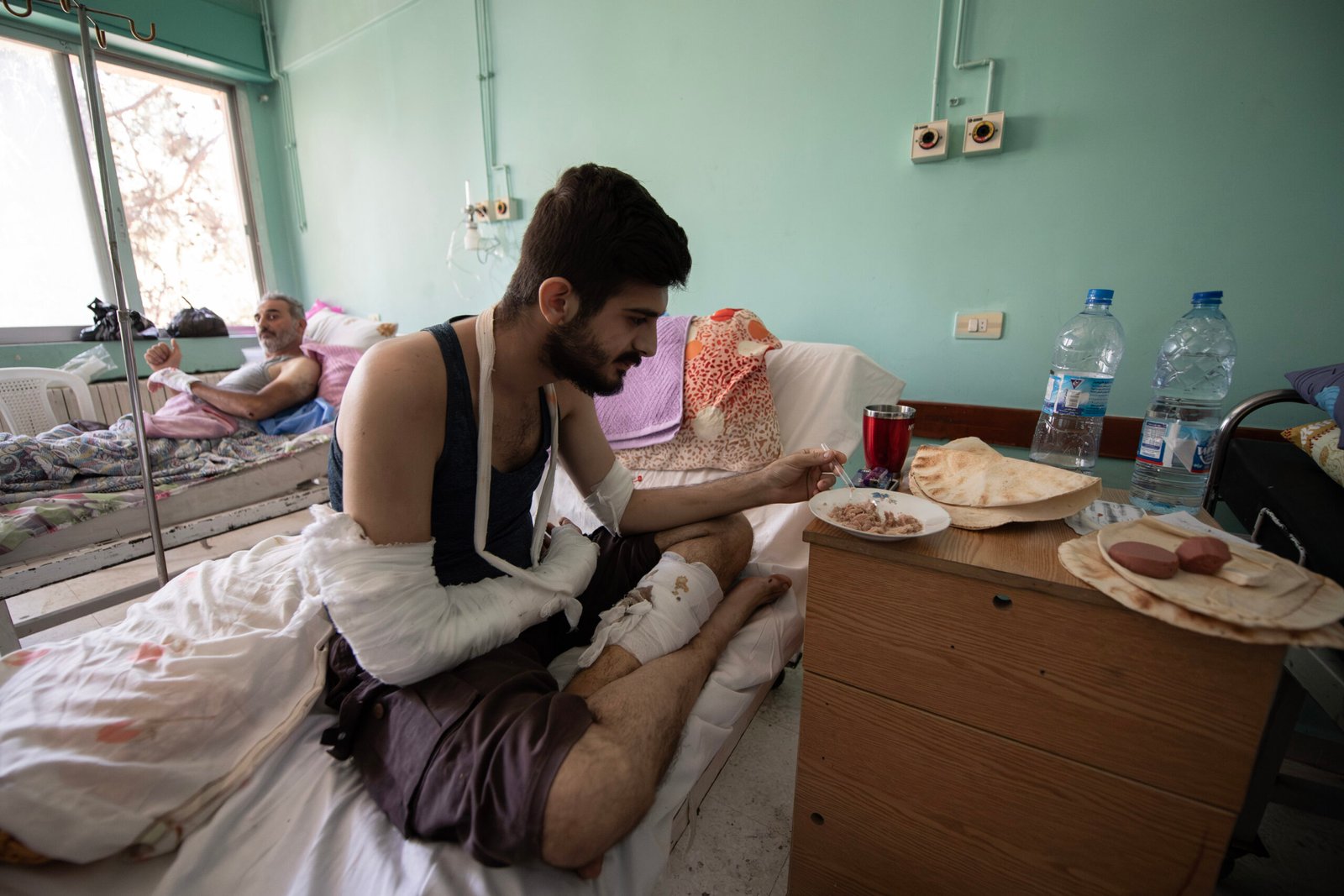
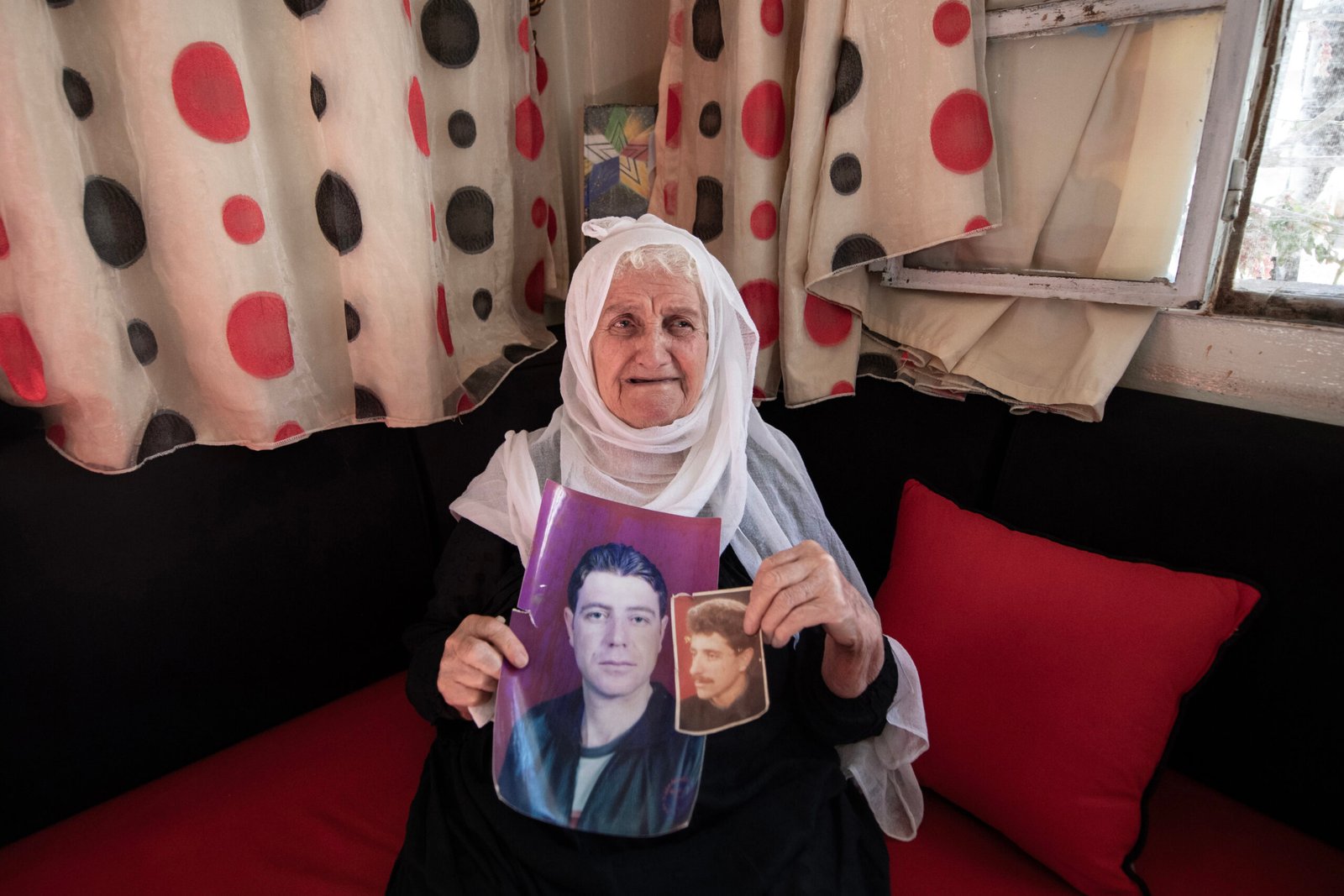
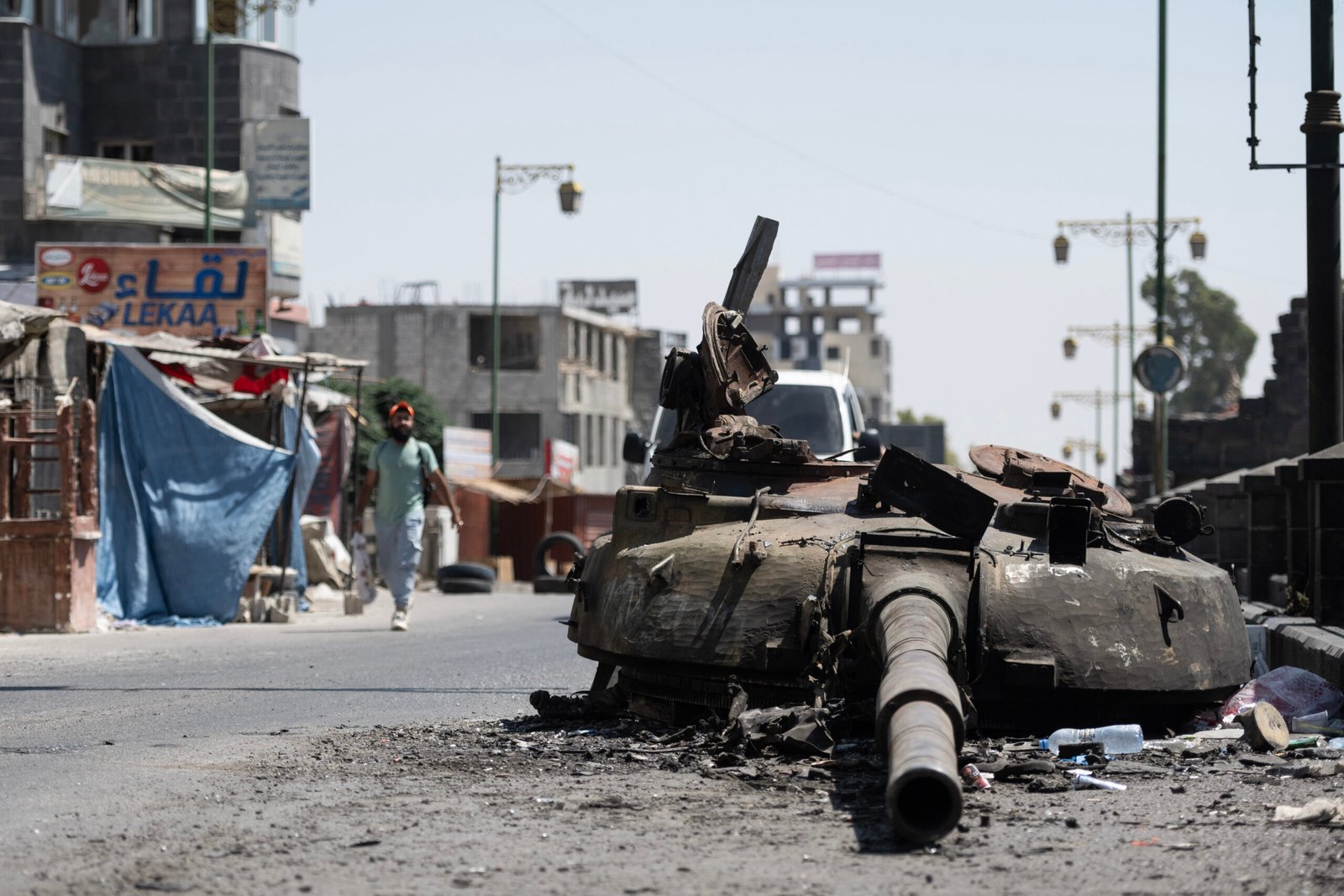
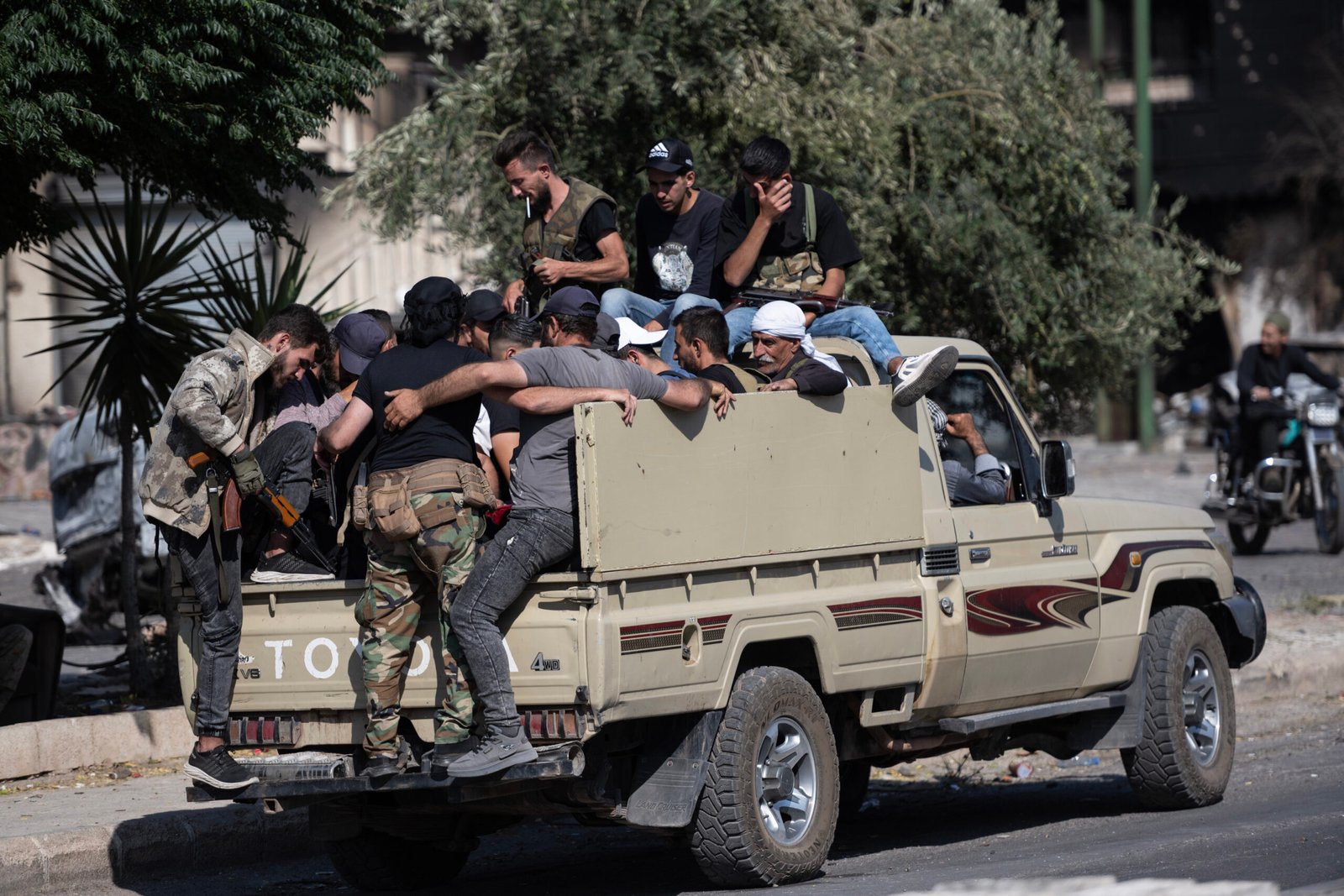
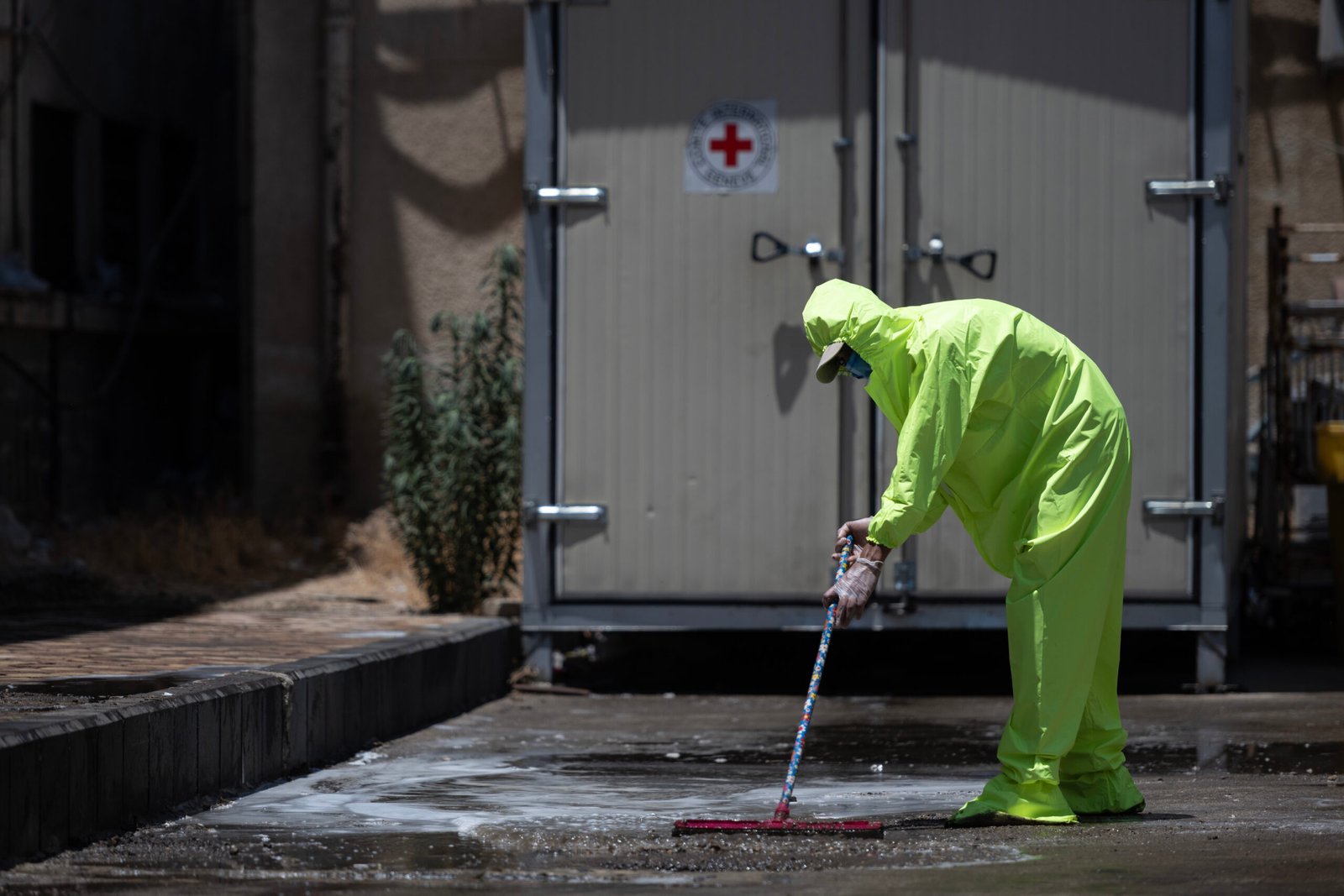
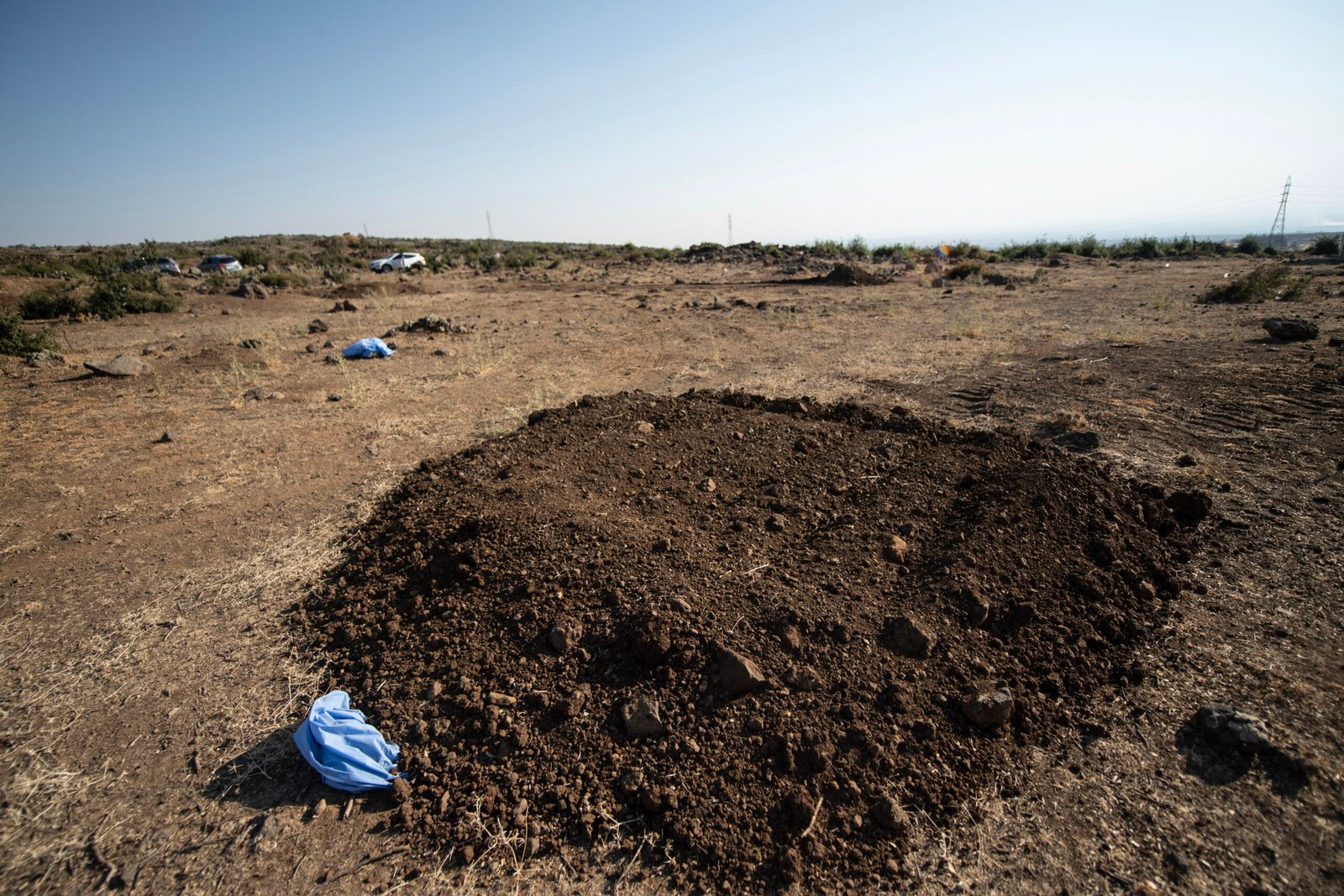
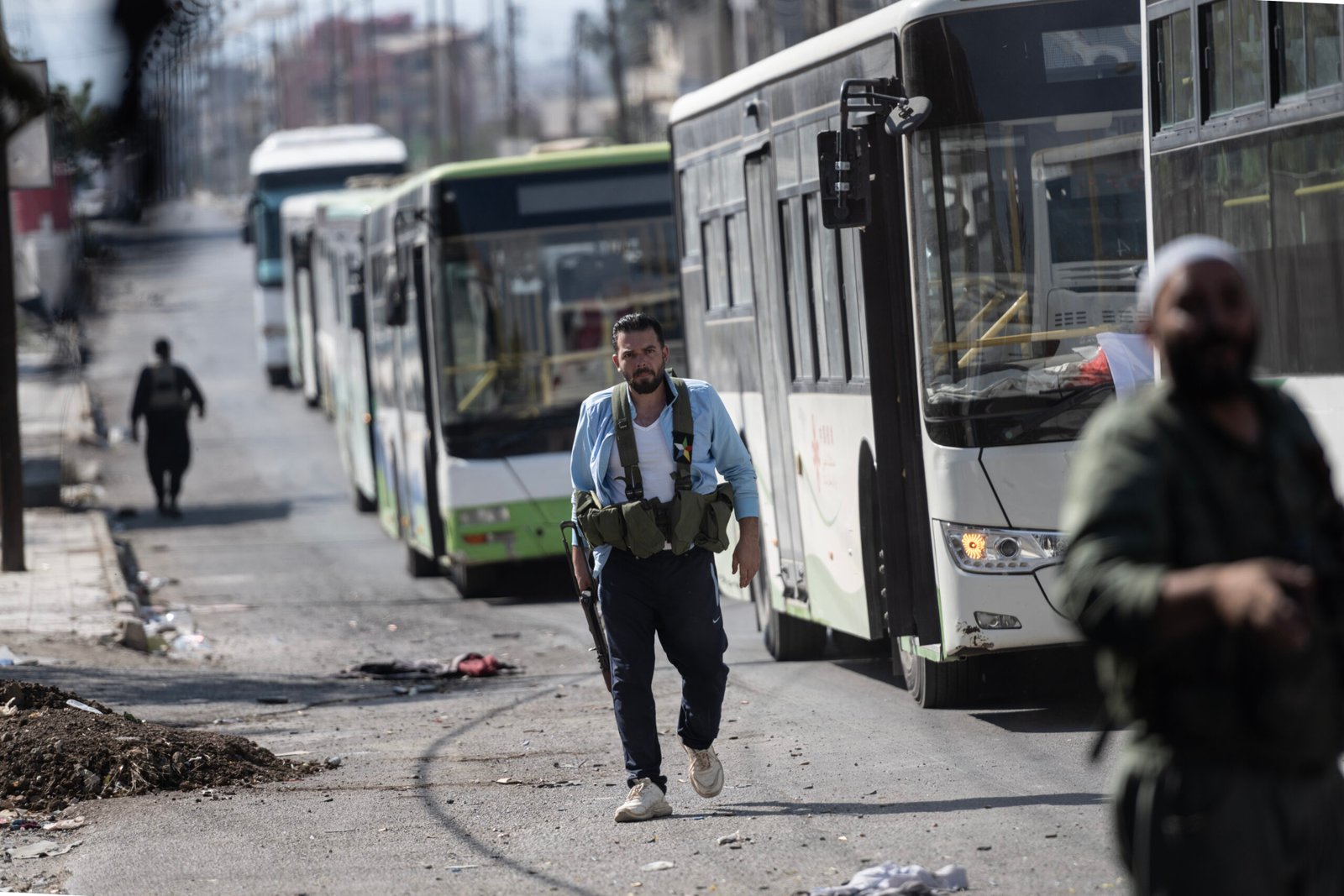
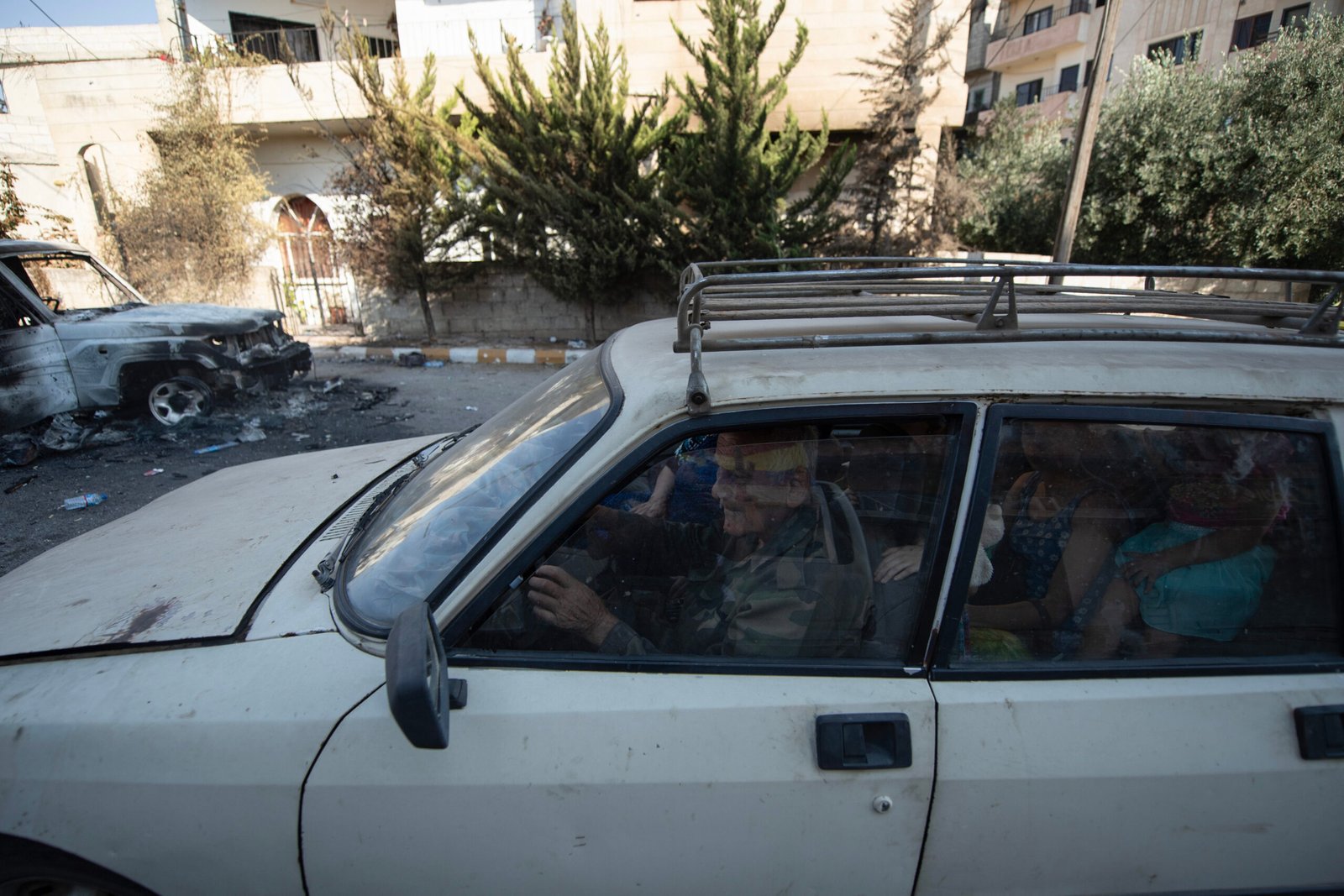
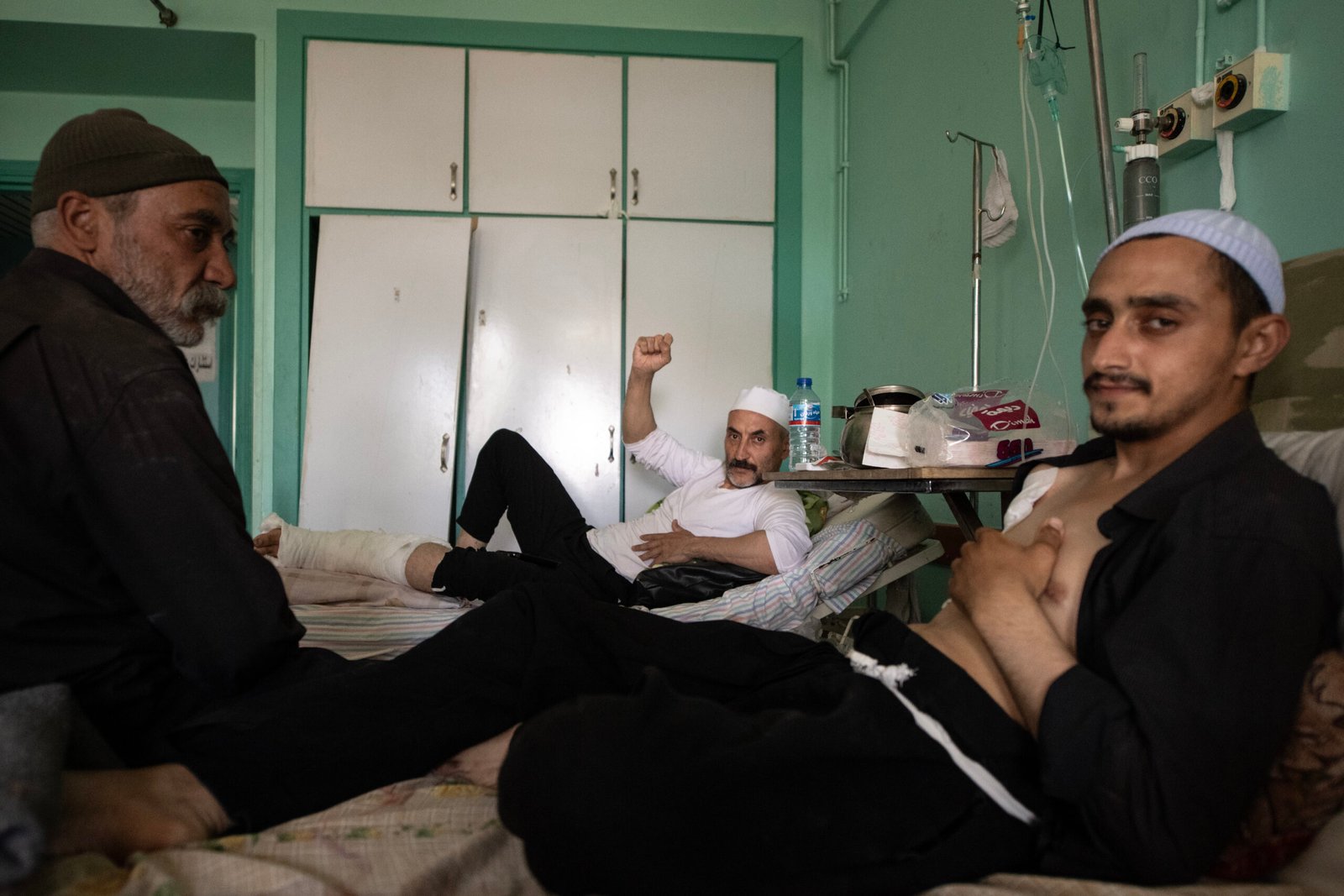
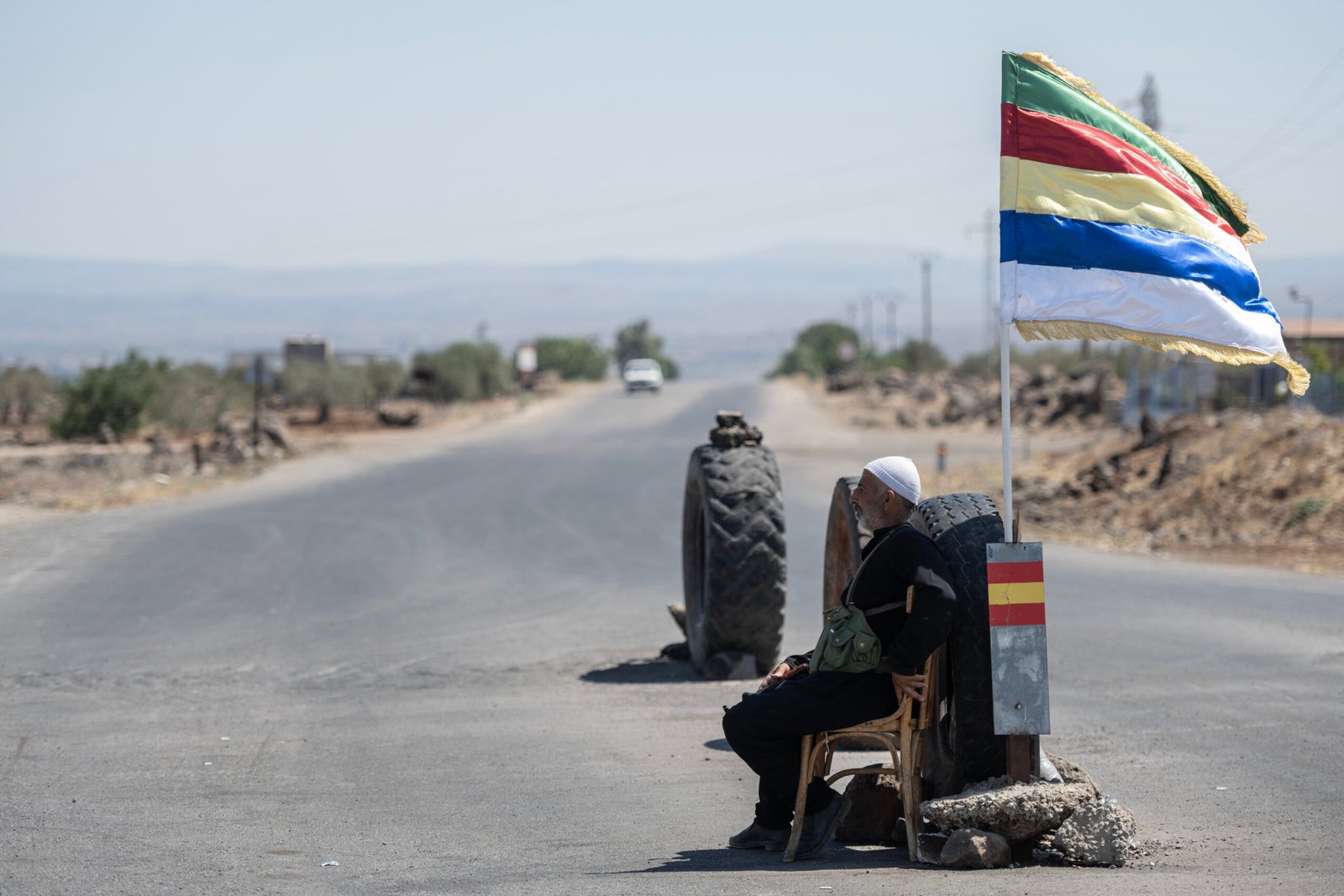
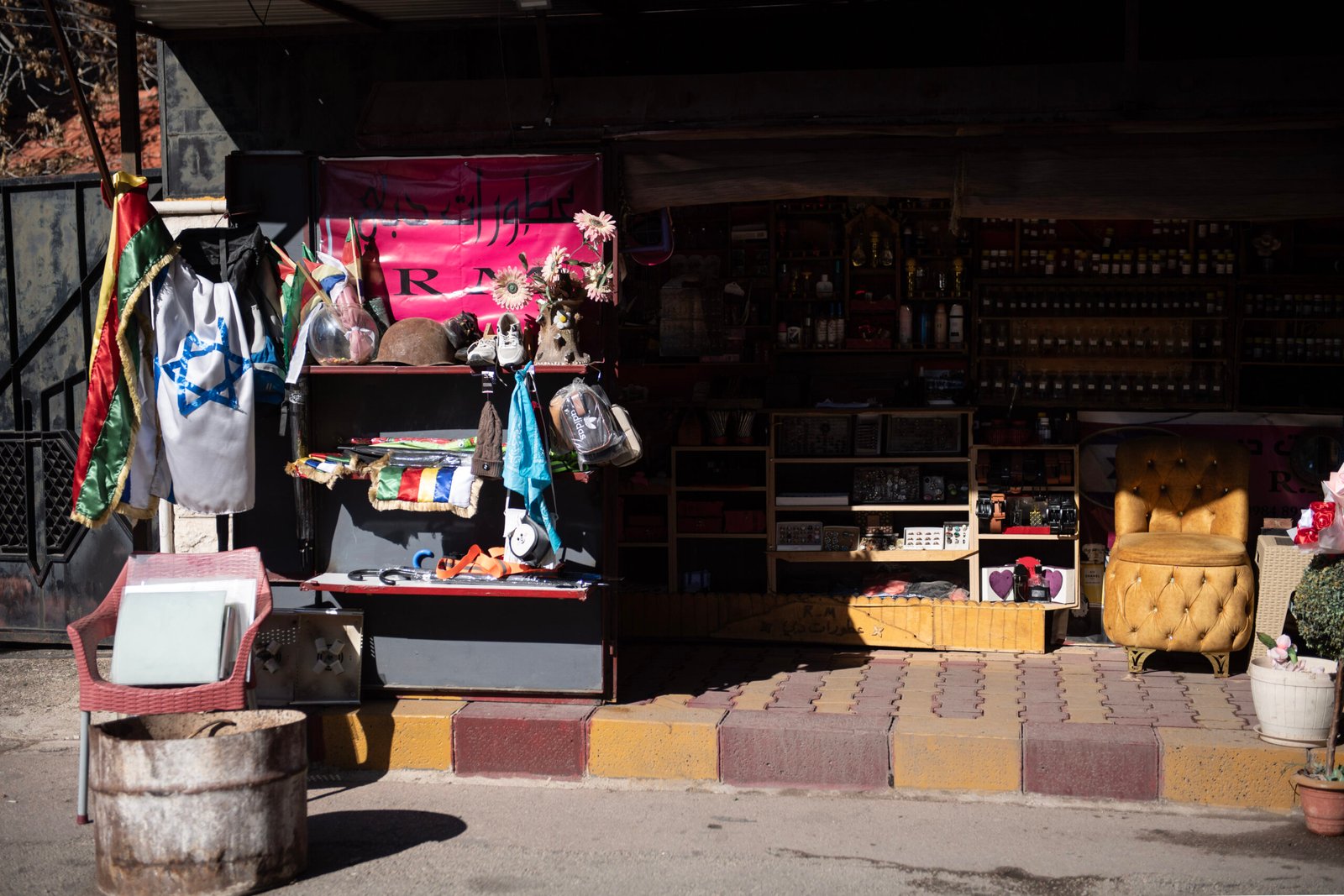
After more than a decade of civil war, Syria entered a new chapter with the fall of Bashar al-Assad’s regime in late 2024, briefly reigniting hope for many. Yet this optimism quickly faded as political and security challenges resurfaced, leaving communities, particularly minorities, in precarious positions. The Druze, a religious minority concentrated in Suwaida province and scattered across Lebanon and Israel, found themselves increasingly vulnerable amid rising sectarian violence and the influence of extremist Islamist factions, some of whose members consider them targets. Suwaida, a province that had maintained relative autonomy during the war, became a flashpoint for renewed conflict. Long-simmering tensions between Druze residents and neighboring Bedouin tribes escalated into armed clashes, sieges, and mass displacement. Thousands of people were forced to flee their homes, facing shortages of food, fuel, and basic services, while local and international humanitarian organizations struggled to respond. In this tense landscape, the presence of Israel along the border further complicated security concerns, influencing local alliances and perceptions of protection, especially after political and symbolic gestures heightened suspicion toward Druze communities outside the province. The human impact of these events is immense. Survivors recount loss, fear, and the sudden collapse of social cohesion, while others endured displacement, destruction of homes, and the breakdown of essential services. As a photojournalist, I documented the suffering on both sides of the conflict—the Druze and the Bedouin communities—capturing not only the devastation but also their resilience, struggles, and attempts to survive under extreme conditions. The accompanying photographs illustrate these realities: families navigating destroyed neighborhoods, displaced communities facing shortages, and the human cost of violence and displacement across Suwaida. These narratives and images together convey the broad consequences of conflict, showing how the war has affected all residents of the region while highlighting the shared vulnerabilities, fears, and strength of communities caught in the crossfire.